
Aldi named UK’s cheapest supermarket as Lidl sales surge to £13bn
Aldi has retained its crown as Britain’s cheapest supermarket while rival Lidl reports booming sales, higher profits and millions more visits to its UK stores.
Aldi and Lidl are piling more pressure on Britain’s traditional supermarkets as new figures show the German discounters winning millions more shoppers while maintaining a huge price advantage over some rivals.

Lidl has revealed that UK sales surged by more than 10% last year to hit £13 billion, while separate research from Which? has named Aldi Britain’s cheapest supermarket for the 11th month running.
The figures underline just how firmly the two discounters have established themselves in British shopping habits, particularly as households continue to look for ways of cutting grocery bills without necessarily buying less.
Lidl GB reported revenues of £13 billion for the year to the end of February, up 10.8% on the previous financial year, while pre-tax profits jumped 31% to £205.5 million.
Around 43 million more customer visits were recorded during the year as Lidl continued expanding its store network and pushing its Lidl Plus loyalty app.
But the growth is not simply about customers searching for the cheapest tins of beans and loaves of bread. Sales of Lidl’s more upmarket Deluxe range increased by 12%, while non-food sales jumped 19%, driven by ranges including Silvercrest kitchen appliances, Parkside DIY products and Esmara clothing.
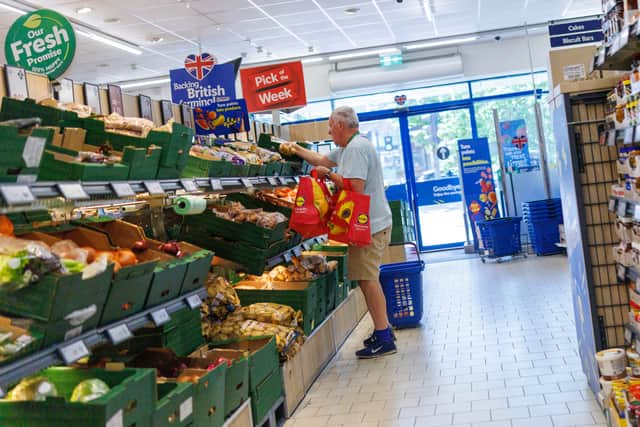
The performance comes after Lidl overtook Morrisons earlier this year to become Britain’s fifth-largest supermarket, according to Worldpanel by Numerator.
It now has more than 1,000 UK stores and expects to have opened another 50 during the current financial year as part of a £600 million investment programme.
Chief executive Ryan McDonnell said the figures reflected the “trust that millions of customers place in us every week”, adding that Lidl would continue investing in low prices, quality and value.
Its great rival Aldi, meanwhile, has seized on the latest supermarket price comparison to tell households they do not necessarily need to cut back on treats and days out to save money. Instead, it says they should consider changing where they shop.
Which? compared the cost of 93 popular groceries during September and found the basket cost £159.48 at Aldi.
Lidl was just £2 more expensive when Lidl Plus discounts were included, at £161.48, while the same shop without those discounts cost £161.84.
The gap became much more substantial further down the supermarket league table.
Asda's basket cost £186.71, while Tesco shoppers using Clubcard paid £187.71 and Sainsbury's Nectar customers £188.95. Morrisons with its More loyalty prices came in at £192.93.
At Waitrose, the same 93-item comparison reached £223.38, £63.90 more than Aldi.
Aldi says its calculations based on the Which? results show shoppers choosing it instead of an average rival supermarket could have saved more than £330 over the first nine months of this year.
Julie Ashfield, chief commercial officer at Aldi UK, said: “Families shouldn't have to make sacrifices to the activities, treats, or hobbies they enjoy just because everyday household budgets are under pressure.”
She added: “Shoppers don't need to change their lifestyle to save money, they just need to change their supermarket.”
Which? retail editor Reena Sewraz said households facing higher costs as colder weather approaches would increasingly be looking for savings on their weekly shop.
She said a £60-plus difference on everyday groceries was “a steep price to pay for store loyalty”, adding that the latest research showed the discounters remained the place to go for shoppers primarily concerned about price.
The figures also illustrate why the battle between Britain’s supermarkets is becoming increasingly difficult for the traditional big four. Aldi remains marginally cheaper in the monthly comparison, while Lidl is rapidly adding customers, stores and market share.
For shoppers, meanwhile, the increasingly fierce rivalry between the two German chains may be the more important contest of all.