
UK supermarket closures: 100+ major supermarkets including Asda and Tesco risk closing as business rates rise

Shoppers could face fewer local supermarket options as rising property taxes hit stores 🛒
- Government to raise business rates on properties valued over £500,000 from next year
- More than 100 large supermarket stores from Sainsbury’s, Tesco, Morrisons and Asda could become unprofitable
- Aldi and Lidl largely unaffected due to smaller store sizes
- Treasury says the move will fund permanent tax cuts for smaller retail and hospitality sites
- Potential closures could reduce local shopping options and harm town centre trade
Shoppers could soon see their local supermarket on the chopping block as sweeping changes to business rates threaten the viability of more than 100 big-name stores.
Under government plans, business rates will rise for properties with a rateable value (the estimated annual rental value of a property )of more than £500,000 from next year.
The move is designed to help fund permanent tax cuts for smaller retail and hospitality outlets, But for large supermarkets, it could be the tipping point that pushes them into the red and renders them unprofitable.
Which stores could be affected?
Industry sources say the shake-up will hit several of the UK’s biggest grocery chains hard, according to The Financial Times.
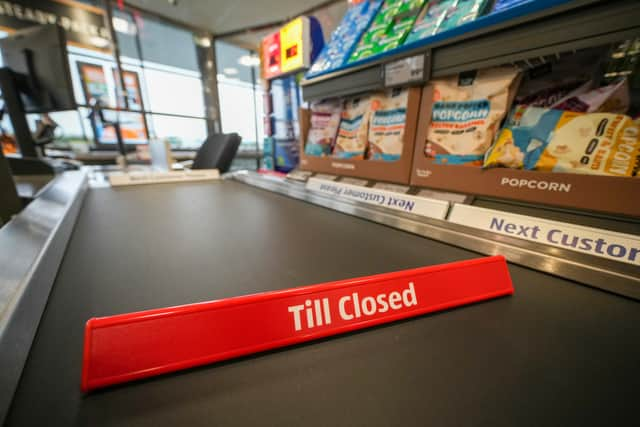

Around 50 of Sainsbury’s 600 larger stores are expected to become unprofitable, while “tens” of Tesco locations could face the same fate.
Morrisons reportedly has 30 of its almost 500 branches at risk, and as much as 90% of Asda’s roughly 600-store estate will be impacted by the higher property tax.
By contrast, discount retailers such as Aldi and Lidl are expected to be largely protected, as they tend to operate from smaller sites. Analysts at Colliers believe less than 10% of Lidl stores will be caught by the new threshold.
Why are the changes being made?
The Treasury says the changes are about creating a “fairer business rates system” that protects the high street and encourages investment. The new lower rates for smaller sites will not be subject to a cash cap, unlike existing relief schemes.
But for communities, the loss of a major supermarket could be a serious blow. Large grocery stores often act as an anchor for local shopping areas, drawing in customers for nearby businesses.
Closures could force residents to travel further for food shopping, reduce choice, and weaken local retail competition.
Sainsbury’s and Tesco remain in a strong position overall, reporting profits of £420 million and £1.2 billion last year respectively.
But industry insiders warn that higher costs will add to the mounting pressures of rising wages, supply chain inflation, and other new taxes.
Are you struggling to make ends meet as costs continue to rise? You can now send your stories to us online via YourWorld at yourworld.net/submit. It's free to use and, once checked, your story will appear on our website and, space allowing, in our newspapers.