
Female entrepreneurs weigh in on Labour's 2025 Spring Statement


As Chancellor Rachel Reeves shared Labour's Spring Statement this week, saying 'that the changes will bring stability to the economy. Two London female Entrepreneurs share what the changes mean for them and their businesses.
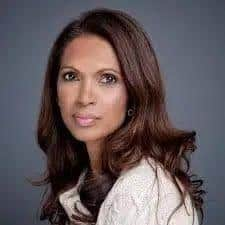
Gina Miller, Founder of MoneyShe - A company created to change the narrative, offering women a tailored investment platform and a supportive pathway to financial independence.
"The Chancellor has repeatedly stated that growth is her number one mission - yet today’s Statement offered little evidence of a clear plan or strategy to achieve it. You can't keep blaming the last 14 years; there must be a compelling vision for the future to restore confidence.
Growth is stagnating—the OBR has halved its growth forecast.

Restoring wafer thin headroom of £9.9bn will not stop address the headwinds ahead of the Autumn budget – get ready for Austerity 2.0!
Kicking the can down the road only prolongs uncertainty, weakening confidence among businesses and individuals. This, in turn, curtails spending and fuels the downgrades we’re seeing.
It is concerning how little headroom remains within the fiscal rules she imposed on herself in October 2024. The world is changing, so why is she not adapting the rules that have boxed her into a corner? It’s deeply worrying what measures she may have to implement by October 2025—especially given the potential for trade wars, new tariffs, ongoing conflict in Ukraine, and increased defense spending.
It is disappointing that the Chancellor has lacked the courage to introduce radical but fairer reforms, instead targeting the most vulnerable with punitive welfare cuts. (Include examples from my statement.)
The cost of government debt is rising. A year ago, the UK could borrow at an interest rate 0.4% lower than the US. Today, UK borrowing costs are 0.4% higher—meaning it is now more expensive for the UK government to raise money than for the US government. In just 12 months, investors have begun demanding a higher risk premium for lending to the UK than to the US.
Investing in HMRC is a positive step—as I’ve been saying for years, addressing the tax gap is crucial. Our research shows that for every extra £1 invested in HMRC, an additional £3 in tax revenue can be recovered.
However, the Chancellor cannot have it both ways—she speaks of getting more people into work while simultaneously introducing April’s changes, which will increase costs for businesses. We’re already seeing the consequences: job cuts, reductions in training and apprenticeship schemes, and SMEs fearing for their survival.
Cutting the health element of Universal Credit by 50% and then freezing it will have devastating consequences for disabled people.
The UK government now has to borrow at 0.4% per annum, higher than the US. Just 12 months ago, it was 0.4% lower. Investor confidence in the UK under Reeves is now weaker than it was in the US under Trump!"
Natasha Guerra, founder and CEO of Runway East - A co-working a leading provider of flexible office spaces for ambitious companies in the UK.
"Rachel's ambition to reduce inflation and increase productivity is bold. Backing the builders, not the blockers, is exactly what we need. I look forward to hearing more about pension changes and hope these reforms channel investment into British businesses.
"However, more must be done to attract investors and wealth back to the UK to create the jobs and prosperity we need. Housing and infrastructure will help drive change, but alone, they won’t radically transform the business landscape or make us as competitive as our neighboring countries.
"Getting people back to work is essential—but in what kinds of jobs? There seems to be more focus on employment for employment’s sake rather than on driving the productivity needed to strengthen public finances and improve the cost of living.
“I think she has missed a trick not creating targetted SME tax reliefs or incentives to ease the burden. Simplifying business rates would make a significant difference, as the current system is overly complex and disproportionately affects smaller businesses that lack the resources of larger corporations.
“Additionally, there was no focus on improving access to funding for small businesses and for entrepreneurs. Easier access to finance—whether through loans or grants—would enable businesses to invest in innovation, new technologies, and growth.
Ultimately, if small businesses are to thrive awe need measures that provide flexibility, stability, and encouragement—allowing businesses to take risks and expand rather than merely survive."