
I’m a hiring expert—These industries are the worst for pay transparency (and how to navigate them)
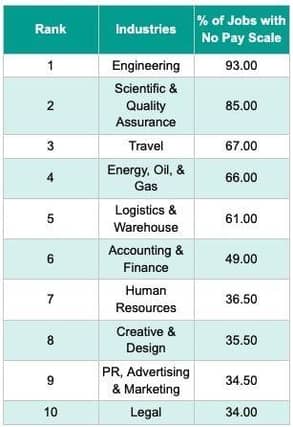

High-skill technical fields led the list of industries with the worst pay transparency in United Kingdom (UK), making it harder for job seekers to assess fair compensation and negotiate effectively, a new study revealed.
For job seekers, this lack of transparency means more uncertainty, tougher salary negotiations, and a higher risk of being underpaid. Without clear salary information, candidates may enter discussions with lower expectations, accept below-market offers, or waste time on roles that don’t meet their financial needs.
Researchers at Toggl Hire analysed a total of 4,000 job postings in Adzuna’s job search platform to collect the 200 most relevant job postings per industry.
If you're searching for a job in a pay-secretive industry, Alari Aho, hiring expert and CEO of Toggl Hire, said it is crucial to take a proactive approach to ensure you receive fair and competitive compensation.
To take control of salary negotiations and secure the pay you deserve, Aho shares five expert strategies:
1. Research market rates.
Before applying for jobs, gather salary data for your role, industry, and location. Use pay transparency tools like Glassdoor, Payscale, LinkedIn Salary, and industry-specific reports to understand what professionals in similar roles are earning. Having benchmark figures will strengthen your negotiating position and prevent you from unknowingly accepting a lowball offer.
2. Ask about salary early.
If a job posting doesn’t include salary details, don’t wait until the final interview to bring it up. During initial discussions, ask questions like "Can you share the salary range for this position?" or "What is the budgeted compensation for this role?" Employers who avoid answering or insist on secrecy may be less competitive with pay, signaling a red flag.
3. Look for companies embracing transparency.
Not all employers hide salary information—many forward-thinking organizations now publish pay ranges in job listings to attract top talent. Prioritize companies with open salary policies or those that have been recognized for their pay transparency efforts. Checking employer review sites can help you identify organizations that value openness and fair compensation.
4. Leverage multiple offers.
If one employer is secretive about pay but another is upfront, use the transparent offer as a benchmark to strengthen your position. Mentioning a competing salary offer can push the secretive employer to disclose their pay range or improve their offer to stay competitive. This approach ensures you don’t settle for less than your market worth.
5. Know your worth.
Enter salary discussions with data-backed confidence rather than guessing. Calculate your expected pay range based on your skills, experience, industry standards, and the cost of living in your location. If an offer comes in lower than expected, don’t hesitate to counter with strong reasoning—employers who value top talent will be willing to negotiate.
Aho adds: "High-skill industries like Engineering, Science, and Energy are the least transparent about pay, prolonging hiring, widening pay gaps, and complicating negotiations. Pay secrecy favors employers, but informed job seekers who research salaries, ask early, and prioritize transparency will have the upper hand. As salary transparency becomes a priority for both the candidates and the regulators, the smartest companies will adapt—or risk losing top talent."