
Planning & Infrastructure Bill must deliver more than speed to revitalise housebuilding industry


The success of the Planning & Infrastructure Bill hinges on the government’s ability to revitalise a housebuilding industry in desperate need of a confidence boost, according to a development finance specialist.
Centred around streamlining the delivery of new homes and critical infrastructure across the nation, the bill is set to introduce several directives aimed at reducing the nation’s longstanding housing shortfall.
One proposal is to empower councils to set their own planning fees, with the goal of reinvesting proceeds to improve planning services. Alan Coleman, relationship director at Secure Trust Bank Real Estate Finance, welcomes the change but has called for additional clarification around ‘cost recovery’ to ensure all councils follow the same procedure.
Alan said: “In theory, historically under-resourced planning departments could invest in addressing their own labour shortages, resulting in larger teams capable of processing applications more efficiently and reducing the bottleneck that continues to plague housebuilders.
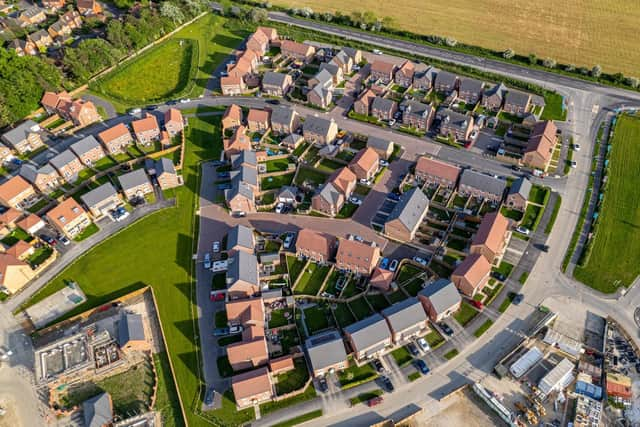
“While it’s also positive that planning fees will be capped at cost recovery and the government retains the power to intervene if fees are deemed excessive, early clarification on what exactly can be classed as cost recovery is necessary. Additionally, some form of adjustment for SME developers may be worth exploring to avoid unintended financial strain.”
The bill’s approach to environmental regulation has also drawn scrutiny over recent months. While the government confirms that the Nature Restoration Fund could provide an alternative means of meeting environmental responsibilities, concerns remain about the potential for inadvertent harm.
Recent reports suggesting that developers may be permitted to build on green spaces without compensating for biodiversity loss have sparked further concern. The Chartered Institute of Ecology and Environmental Management (CIEEM) said the proposals were indicative of environmental regression.
“This conversation represents a wider issue – how to balance the urgent need for housing with the equally pressing need to protect the natural environment,” Alan continued. “It could be argued that the solution lies in shifting from broad guidelines, such as those associated with nutrient neutrality, to clear and enforceable rules, which may help to instil greater confidence on both sides of the debate.”
Another important aspect of the bill is its potential to either empower or further marginalise SME developers, with their contribution to new homes dropping from 40% in the 1980s to just 10% today. To stop this figure from falling any further, the government recently unveiled a host of initiatives aimed at enabling SMEs to play a greater role in tackling the housing crisis.
Developments of up to nine homes will now be exempt from Biodiversity Net Gain (BNG) requirements, whereas those with 10-49 homes will benefit from a ‘ revised simplified metric’. While not directly related to the Planning & Infrastructure Bill, Alan believes the changes will make finding the balance between preserving biodiversity and building new homes even more difficult.
Concluding his thoughts, Alan said: “The Planning & Infrastructure Bill offers real opportunities to accelerate development and address systemic challenges, but to do so effectively, it must be shaped with nuance, clarity, and long-term thinking.
“That means more than just increasing the pace of approvals. A successful planning system must ensure we’re building in the right places, with the right infrastructure and green space to support vibrant, sustainable communities. Getting homes built quickly is important, but getting them built well is essential. If the bill can strike this balance, it could help unlock the high-quality homes and infrastructure Britain needs — not just today, but for generations to come.”
Discover more about Secure Trust Bank Real Estate Finance or the role it can play in financing property development.