
Sustainable sips: The eco-friendly revolution in UK breweries
As the global focus on sustainability intensifies, UK breweries are not just keeping pace but emerging as pioneers at the forefront of eco-friendly practices. This shift is not just a trend but a transformative movement redefining the industry and inspiring others around the world.
By integrating green innovations, reducing waste, and fostering local connections, British brewers are setting a new standard in environmental stewardship while enriching their communities.
Experts at CaterSpeed delve into various companies' methods that are making a difference.
Green Innovations Leading the Way
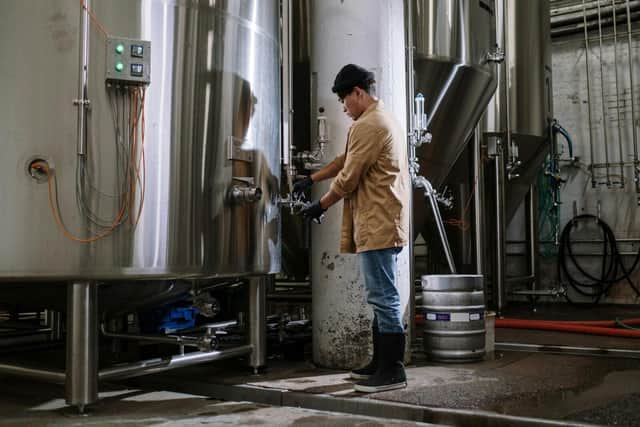

British breweries are harnessing cutting-edge technologies to minimise their environmental impact. BrewDog, a trailblazer in the craft beer sector, set the benchmark in 2020 when it became the first carbon-negative beer business. This includes substantial investments in renewable energy sources such as wind and solar power. Their brewery in Ellon, Scotland, operates on wind power and is a model of energy efficiency and waste reduction.
Adnams Brewery in Suffolk is another standout example. Its state-of-the-art facility features a biomass boiler that generates electricity from renewable sources, significantly reducing reliance on fossil fuels. Additionally, Adnams employs a closed-loop water system, reusing water from the brewing process to reduce waste and conserve resources.
Innovative Waste Management
Effective waste management is central to the sustainability efforts of many UK breweries. Fuller's Brewery in London has taken significant steps with its waste-to-energy plant, converting spent grain into biogas. This biogas is then used to power the brewery, turning what would otherwise be waste into a valuable energy source.
Tiny Rebel Brewing Co. in Wales demonstrates a commitment to the circular economy by repurposing spent grain as compost for local agriculture. This approach not only reduces waste but also supports local farming. Similarly, BrewDog collaborates with local farms to convert waste into animal feed and integrates surplus ingredients into community food initiatives.
Packaging practices are evolving, too. Fourpure Brewing Co. in London's bottle return scheme encourages customers to return empty bottles for reuse. At the same time, Wild Beer Co. in Somerset opts for recycled materials and eschews single-use plastics, reducing environmental impact.
Local Sourcing and Community Engagement
Supporting local suppliers is a cornerstone of sustainable brewing. Harvey's Brewery in Sussex is committed to sourcing ingredients from nearby farms, reducing transportation emissions and supporting regional agriculture. This practice not only ensures the freshness of ingredients but also strengthens local economic ties.
The Kernel Brewery in London is another example of local sourcing. It uses British-grown hops and barley to minimise its carbon footprint. Its collaboration with nearby connections highlights the importance of reducing transportation-related emissions and fostering regional partnerships.
Community engagement is integral to these sustainability efforts. Thornbridge Brewery in Derbyshire offers educational tours and workshops on sustainable brewing practices, helping to raise awareness and promote eco-friendly habits among consumers.
Impact and Future Prospects
The shift towards sustainability in UK breweries profoundly impacts the industry and the environment. Smaller, independent breweries are leading the charge, demonstrating that high-quality brewing and environmental responsibility can go hand in hand. This growing trend fosters a more eco-conscious beer culture, where consumers are increasingly inclined to support brands prioritising sustainability.
UK breweries are drastically slashing the industry's carbon footprint by investing in renewable energy, reducing waste, and conserving resources. This eco-friendly revolution showcases their commitment to environmental stewardship. Through innovative technologies, effective waste management, and local sourcing, British brewers are setting new standards and leading by example. As these sustainable practices become more widespread, they promise to reshape the industry, offering a compelling model of harmonising tradition and sustainability.