
What can be done to fix the construction labor shortage?
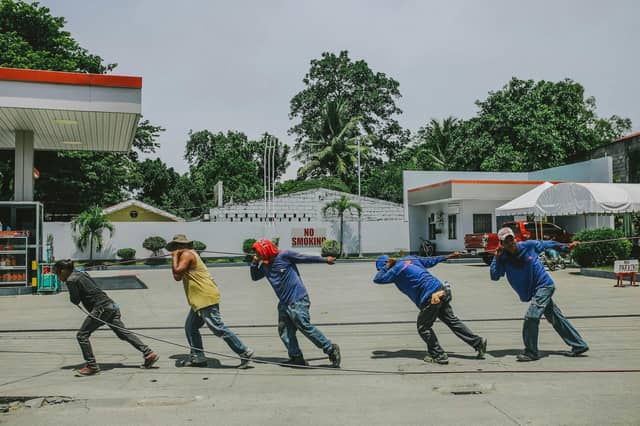

According to experts at Associated Builders and Contractors, in order to meet current labor demands, the construction industry will need to onboard more than 450,000 new workers in 2025 simply to stay afloat.
The US construction sector is currently facing a major labor crisis. According to experts at Associated Builders and Contractors, in order to meet current labor demands, the construction industry will need to onboard more than 450,000 new workers in 2025 simply to stay afloat.
There are a number of factors that contribute to the current labor shortage in the US, ranging from the decline in trade education and an aging workforce to immigration restrictions and a growing stigma surrounding construction jobs.
80% of contractors are struggling to fill labor positions in 2025, and 70% of them cite an “insufficient supply of workers or subcontractors” as one of their biggest concerns moving forward.
The question is, how does the construction industry get back on its feet?
This article will shed light on the ongoing crisis impacting the construction industry and discuss what can be done to help secure a powerful labor force for the future.
The Impact of a Skilled Labor Shortage in Construction
The construction industry is flatlining. After the National Center for Construction Education and Research revealed that a further 40% of the construction labor force plan to retire by 2031, the impacts of a labor shortage will only become more severe.
From extended delays to reduced project quality, a lack of a strong labor force could have serious consequences for US infrastructure, manufacturing, and transportation. Labor workers are vital cogs in the system, responsible for building homes, producing physical goods like cars and electronics, and skilled trades like carpentry, plumbing, and electrical work.
With the most significant skill shortage of any industry in the US, the construction industry continues to face a number of challenges as a result of managing a reduced labor force:
- Difficulty in fulfilling demands: A labor shortage impacts a construction company’s ability to fulfill client demands. With fewer workers to assign, contractors have less capacity and flexibility, making it hard to meet deadlines and quality requirements.
- Increased project timelines: With a shortage of skilled workers at hand, project timelines are longer, more expensive, and less desirable for the client.
- Impact on specific sectors: The labor shortage is hitting manual construction companies the hardest due to a lack of skilled trade education. Roles such as bricklaying, carpentry, and electrical work continue to be impossible to hire in large numbers. Not only are these positions crucial for delivering projects on time and within budget, but they also require extensive training that is costly to run on-site for current employees.
In order to attract and retain workers in a dwindling labor market, construction companies also face significant costs. From training employees in multiple roles to increasing wages and offering attractive benefits to encourage more workers to sign up and stay loyal, the cost of fostering a powerful labor force continues to rise in 2025.
How to Fix the Construction Labor Shortage in 2025
The US labor shortage isn’t going anywhere anytime soon, so it’s up to the industry to adapt and attract a new generation of skilled workers.
While there is no easy fix, experts at the Bureau of Labor Statistics still believe that construction has the third-highest projected employment growth rate of any industry in 2025.
With this in mind, here are some of the ways contractors and government agencies can work together to close labor gaps and bolster project efficiency moving forward:
Make Trade Education and Skilled Apprenticeships More Attractive
One of the best long-term solutions for a USlabor shortage is the strengthening of vocational training.
However, with less than 10% of Gen Z and Gen Alpha planning to enter the labor force in 2025, more needs to be done to make trade education more attractive to a younger population.
Fostering partnerships between schools, contractors, and trade organizations is a great way to cultivate a new generation of skilled workers in the labor industry. Offering students hands-on learning, career pathways, and lessons dedicated to skilled trades such as carpentry reminds them that trade education is a viable alternative to traditional post-school pathways such as college.
The key here is to incentivize trade apprenticeships with powerful pay packets, opportunities for long-term growth, and certification goals that attract top talent in all trades.
Embrace Technology to Reduce Labor Demand
As the US continues to evolve and expand, so do its labor demands. In 2025, there’s simply not a labor force big enough to meet the pressures of a modern-day construction industry.
Technology can help offset a labor shortage in a number of different ways. From 3D printers to robotics and automation, technology can enhance productivity and allow smaller teams to complete projects more efficiently.
The introduction of project management software also makes managing your workforce easier, with the ability to automatically allocate projects to employees, streamline HR tasks, and improve communication, allowing management to dedicate more time to strategic tasks.
Support Immigration Reform for Skilled Labor
Immigration continues to play a significant role in boosting the US labor workforce, say experts at J.P. Morgan.
In order to retain skilled labor workers and attract more to the growing construction industry, the government must ease visa restrictions and prioritize the introduction of immigration policies that help bring skilled labor into the country legally.
Creating structured immigration channels that allow temporary green card access for immigrant tradespeople is the key to filling short-term labor gaps. The introduction of temporary work programs also allows construction companies to fill roles half of the time while ensuring that workers' rights are protected and upheld.
A New Labor Force, A New Future
America’s labor shortage will continue to wreak havoc on the construction industry if change doesn't come soon.
Motivating the younger generation to refine their trade skills is the key to growing the US labor force from the ground up.
Combined with on-the-job benefits, the introduction of temporary work programs, and powerful technologies, we can help the construction industry close the labor gap, shorten timelines, and meet the ever-growing demand for labor in every sector.