
African Cinema at a Crossroads: The Industry’s Structural Limits Seen Through the Lens of Emerging Voices
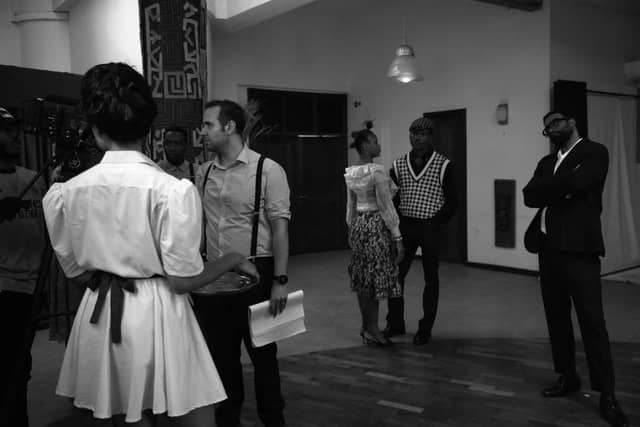

The story of Congolese actor and musician Anzor Alem is emblematic of the paradox facing Africa’s film industry today: a surge of creative energy set against long-standing structural barriers that continue to hinder sustainable growth.
In recent years, African cinema has attracted global attention, from Nollywood’s prolific output to auteur-driven works that win festival recognition. Yet, as UNESCO data shows, the continent still faces major infrastructure deficits, with only one cinema screen available for roughly 787,000 people, compared with one for every 8,000 in the United States (BBC Afrique). This stark disparity illustrates how access to audiences remains one of the industry’s greatest obstacles.
Financial Fragility
Beyond infrastructure, financing remains precarious. In a commentary for the Financial Times, Nigerian critic Wilfred Okiche described how volatile exchange rates, weak intellectual property protections, and the absence of co-production treaties with Europe and North America leave African filmmakers struggling to secure funding. While streaming platforms have opened some doors, most projects remain heavily dependent on international partnerships — a reliance that can shift creative control outside the continent.

Narratives Under Pressure
Representation is another contested terrain. Reporting in The Guardian last year, journalist Maimouna Jallow noted that films from Africa featured at major festivals often conform to expectations of hardship and conflict, leaving lighter or more diverse stories underexposed. For actors such as Alem, this creates an uneven landscape where the range of roles available may be shaped less by local realities than by global stereotypes.
Cultural and Political Restrictions
Meanwhile, filmmakers face pressures not only from markets but also from within their own societies. At the Marrakech International Film Festival, AP News reported on the cancellation of a Q&A for Cabo Negro, a Moroccan film depicting a same-sex relationship. The incident highlighted the limits of cultural expression in certain contexts, where censorship and social taboos continue to shape what stories can be told publicly.
The Way Forward
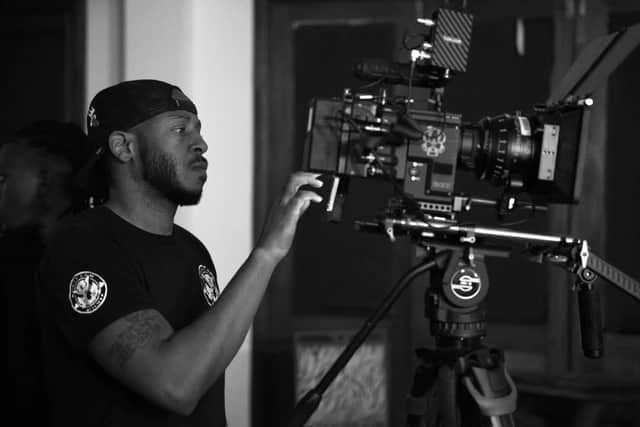
For Alem and his contemporaries, the path forward is uncertain. The sector’s potential is vast — as recognized by UNESCO and by African governments attempting to expand cultural industries — but translating that promise into a resilient ecosystem requires coordinated policies, investment in distribution, and a commitment to diversifying narratives.
As Okiche argued in the Financial Times, talent and ambition are not in short supply. What is missing is the infrastructure and frameworks that can turn individual successes into systemic impact. Until then, artists like Alem will continue to embody both the hope and the frustration of African cinema’s current moment.