
I'm A Botanical Expert And These Common Plants Could Be Harmful For Your Pet
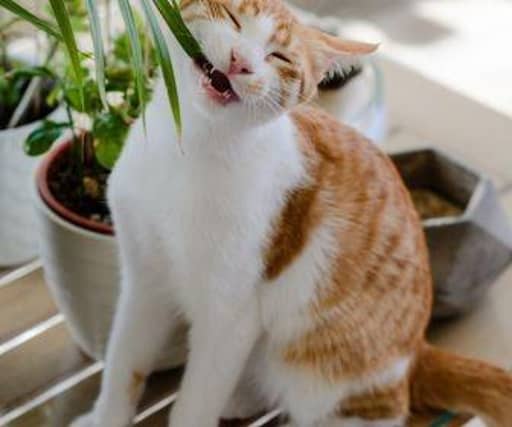

Whether you garden indoors or out, certain beloved plants can be much more dangerous to pets than most pet owners realize. According to the ASPCA’s poison control center, over 31,500 calls in their most recent database involved pets ingesting toxic indoor or outdoor plants, many of which are household favorites.
Prestige Botanicals shines a light on common species that could be silently threatening your furry friends, and how to pet-proof your greenery.
5 Common Plants That Pose Risks to Pets
1. Lilies (Lilium spp. & Hemerocallis spp.)
- Cats are extremely sensitive, even a tiny lick of pollen can cause acute kidney failure within 36–72 hours.
- Symptoms: vomiting, lethargy, anorexia. Seek emergency vet care ASAP.
2. Philodendron & Pothos (Araceae family)
- These contain insoluble calcium oxalate crystals that irritate when ingested.
- Effects on pets include intense mouth burning, drooling, vomiting, and difficulty swallowing.
3. Daffodils & Tulips (Amaryllidaceae)
- Bulbs are especially toxic: daffodils contain lycorine, tulips have alkaloids causing gastrointestinal upset, low blood pressure, convulsions.
- Symptoms: drooling, vomiting, diarrhea, heart issues.
4. Sago Palm (Cycas revoluta)
- One of the most dangerous outdoor plants. Sago Palm causes vomiting, diarrhea, liver failure, seizures, and can be fatal.
5. Aloe Vera
- Widely known for soothing properties, but moderately toxic to dogs and cats.
- If ingested: vomiting, diarrhea, lethargy, dehydration.
Tips for Pet-Safe Plant Décor
Keep tempting greenery out of reach, especially if you have curious cats or dogs.
Many pets are naturally attracted to dangling leaves and blossoms. Cats, in particular, tend to jump onto windowsills or countertops to nibble on plants. Avoid placing high-risk plants within easy reach, especially near pet beds or feeding areas.
Use hanging planters, tall shelves, or enclosed terrariums to create distance.
By elevating your plants or placing them behind glass, you can maintain a lush home without giving your pets access. Hanging baskets work well for trailing plants, while glass terrariums offer a stylish, bite-proof way to display greenery.
Choose non-toxic, pet-safe plants for peace of mind.
Some great options include:
- Orchids – elegant and completely non-toxic to cats and dogs
- Spider Plants – resilient, air-purifying, and pet-friendly
- Parlor Palms – lush and non-toxic, great for indoor spaces
- Areca Palms and Calatheas – pet-safe and visually striking
Consult your vet or check reputable databases before bringing a new plant home.
The ASPCA’s Toxic and Non-Toxic Plant List is a reliable, regularly updated reference. Don’t rely solely on TikTok or blogs! Always double-check with a vet if you’re unsure about a plant’s safety.
Keep emergency resources handy.
Save the ASPCA Animal Poison Control Center hotline: 888-426-4435. Having it on hand can save precious time if your pet ever ingests a harmful plant. You can also program local emergency vet numbers into your phone for quick access.
"As a floral stylist, I adore greenery and blossoms, but with pets in the home, safety must come first. Garden staples like lilies or philodendron can cause terrible reactions, and the ASPCA reports thousands of animal poisonings each year.
I recommend swapping high-risk plants like lilies and sago palms for pet-friendly alternatives like orchids, parlor palms, or spider plants, which are non-toxic to dogs and cats . And always place real or artificial greenery out of reach.
Even non-toxic plants can cause stomach upset if ingested, so awareness is key. If your pet does eat any part of a plant, contact your veterinarian or the ASPCA Animal Poison Control Center at 888‑426‑4435 immediately.
Blending faux florals with safe real plants gives you the best of both worlds: beautiful decor without the worry. In the end, all we want is to make informed, smart choices to keep our furry families safe,” says Floral Expert, LeAnne Samuelsonfrom Prestige Botanicals.