
Starting a collection? How to store your cards correctly so you can avoid decreasing their value
In recent years, trading cards have seen a surge in popularity, with the market now valued at over a billion US dollars. Without proper storage, however, improper storage could significantly reduce the value of a collection.
Trading card expert Stuart Robb from Aberdeen card shop Thistle Tavern shares essential tips to preserve and protect your cards to maintain their worth.
Storage
"Proper storage is a key part of preserving the value of a trading card collection. Even minor damage can drastically reduce a card's worth, especially for high-grade cards.
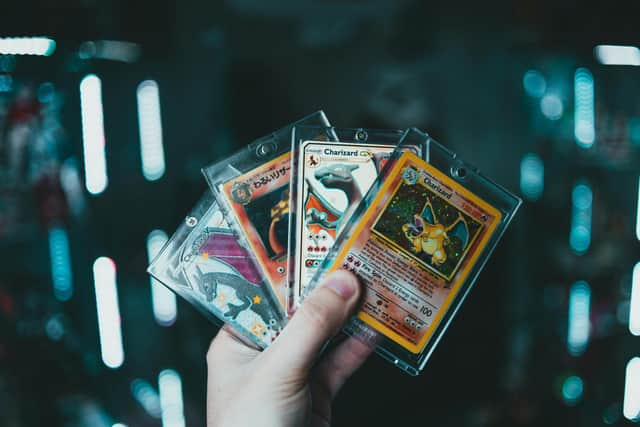

“Making sure cards are stored in protective sleeves, top-loaders, and quality storage boxes is key to maintaining their condition."
Key temperature
"Keep storage areas at around 18-21°C with 45-50% relative humidity and avoid areas near windows, humidifiers, or electrical appliances, as exposure to sunlight, heat, or humidity can lead to discolouration, warping, or mould growth."
Grading
"When it comes to high-value trading cards, getting them professionally graded can significantly boost their worth. Grading not only authenticates the card's quality but also provides a secure slab for storage. It’s important to weigh the cost of grading against the potential value of the card."
Handle with care
"Washing hands, wearing gloves for particularly valuable cards, and using protective sleeves can prevent oils, dirt, and scratches from reducing the value of your collection."
Protect your investment
"Trading cards have evolved from simple collectables into significant investments, with some cards valued at millions. Protecting and caring for these items ensures they retain their value and remain a treasure for future generations."
What should I use to store my cards?
Using toploaders for valuable cards
"For valuable cards that are frequently handled or displayed, using a combination of soft sleeves and rigid top-loaders provides the best protection. The soft sleeve prevents scratches from the hard plastic, while the toploader shields the card from physical damage. To avoid pressure damage, store top-loaders upright whenever possible."
Archival-safe materials
"Archival-safe materials are important for preserving your collection long-term. Look for products made from polyester, polypropylene, or polyethene, as these are chemically stable and won’t degrade or harm your cards. Avoid magnetic or sticky albums, as they are not archival-safe and can cause irreversible damage."
Consider tall card sleeves
"For taller or less common cards, tall card sleeves provide a secure fit without the need for makeshift solutions. Using sleeves specifically designed for these sizes ensures your cards are fully protected and not compromised by improper storage."
Buy from trusted vendors
"Look for sellers that disclose the materials used in their products, focusing on those free of harmful plastics like PVC. Reliable vendors often provide archival-quality options that guarantee the longevity of your cards."
Use folders
"Card binders and folders are an excellent solution for displaying and storing trading cards while keeping them organised and protected. They allow collectors to flip through their collections with ease, minimising direct handling of the cards.
“However, it's important to use standard card sleeves before placing cards into binders or folders. This extra layer of protection helps prevent corner damage and ensures the cards remain in pristine condition for the long term."
Things to avoid
Avoid PVC plastic
"PVC plastics should be avoided at all costs. Over time, they release harmful chemicals that can damage cards, causing yellowing, brittleness, or even making cards stick to the plastic. Instead, go for archival-safe materials like acrylic or non-PVC plastic sleeves and holders."
Look out for labels like 'acid-free' vs. archival quality
"Don’t be misled by the term ‘acid-free’ on storage materials. While it may suggest quality, it doesn’t guarantee the product is suitable for long-term preservation. Always check the label or inquire about the plastic type to ensure it meets archival standards."