
Taking up metal detecting this summer? These are the top areas to explore
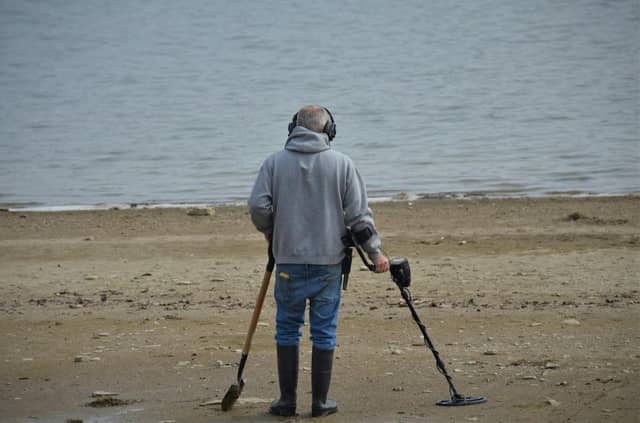

Metal detecting is becoming a popular hobby, and with the summer weather encouraging people to spend more time in the great outdoors, now is a great time to pick up a detector and get searching.
With searches for ‘metal detecting rules’ increasing by 22% YOY and ‘where to go metal detecting near me’ increasing 29% YOY1, it’s clear that there is increased interest in the hobby, with a prolonged growth of popularity in recent years and an estimated 20,000 detectorists in Britain2.
It can even have a positive impact on mental health, including being credited for helping people overcome addiction.
To help aspiring archaeologists get started, specialist metal supplier metals4U, has conducted research to reveal the metal detecting hotspots of the UK, as well as which metals and discoveries are most likely to be found.
Over 23,000 discoveries have been logged in 2025 so far3, and with over 3,000 finds this year, East Anglia is the best region of the country for metal detecting thanks to the rich history of the region. Norfolk in particular is a hotspot, with 2,362 finds compared to 627 in Suffolk, making it the top county in England.
The south and east coasts were also found to be hotspots, with Hampshire boasting 1,387 finds in 2025, and Lincolnshire home to 1,964 discoveries, when combined with north Lincolnshire.
The UK regions with the most metal detecting finds registered in 2025
- Norfolk - 2,362
- Hampshire - 1,387
- Lincolnshire - 1,307
- Oxfordshire - 1,025
- North Yorkshire - 822
- Wiltshire - 789
- North Lincolnshire - 657
- Suffolk - 627
- West Berkshire - 594
- Northamptonshire - 579
Some finds will be more common than others for detectorists, with coins making up the vast majority of discoveries in 2025, followed by buckles and broaches.
Paul McFadyen, metals expert and chairman at metals4U, explains: “Metal detectors are designed to pick up most types of metal that have been used in history, both ferrous metals like iron and steel, and non ferrous metals like copper, bronze, brass, lead and precious metals like gold and silver.
“For historical finds, metals such as iron, steel and brass will be particularly common, whilst precious metals are likely to be rarer and found in smaller amounts on coins and jewellery.”
Before picking up your metal detector however, there are important rules that hobbyists will need to know and abide by, especially in relation to where you can search and what you should do when you make a discovery. Failing to follow these rules can result in unlimited fines and even jail time, so it’s vital that new detectorists understand their responsibilities.
Obtain permission to avoid trespassing
Paul says: “Don’t assume that you can turn up at any location with your metal detector and get searching, in the majority of locations you will need permission from the landowner or tenant in order to metal detect on their property. This includes public spaces owned by councils and local authorities, as well as private landlords. Failure to obtain permission is classed as trespassing, and could result in civil litigation.
“If you’re not able to obtain permission, beaches owned by the Crown Estate offer a good location where you can search without securing consent4, but it is important that you research the terms and conditions of doing so before beginning your search.”
Metal detecting on certain sites is a criminal offence
Paul explains: “Regardless of permission, some sites are always off limits and can carry a threat of prosecution if you’re found to be detecting there.
“These include sites protected for environmental or historical reasons, such as SSSI’s (Site of Special Scientific Interest) and important historical monuments. Metal detecting without permission at an important historical site, known as a Scheduled Monument, is a criminal offence with potentially severe punishment5.”
Keeping a find could land you in prison
Paul comments: “Discovering a find whilst metal detecting does not necessarily mean you get to keep it. You will first need to find out whether the item is classified as treasure. Failing to report treasure carries with it an unlimited fine and up to three months in prison6.
“If the item is not classed as treasure, the find will belong to the landowner unless decided otherwise when obtaining permission or following discovery.
“If you make a non-treasure discovery, it’s advised but not essential that you report the find using the Portable Antiquities Scheme to help keep track of discoveries.”
For more information, visit: https://www.metals4u.co.uk/blog/vanishing-trades?v=latest
References
- Data from Keywordtool.io, correct as of 16/07/2025
- https://www.theguardian.com/commentisfree/2025/jul/06/the-guardian-view-on-metal-detecting-hobbyists-as-well-as-experts-can-play-a-part-in-unearthing-the-past
- Data from the Portable Antiquities Scheme, correct as of 15/07/2025
- https://www.thecrownestate.co.uk/our-business/marine/metal-detecting-and-drone-flying
- https://historicengland.org.uk/listing/what-is-designation/scheduled-monuments/
- https://www.gov.uk/treasure