
Why Brits Are Turning Back to Hobbies in a Screen-Weary World

For years, conversations about screen time have circled around parental worries and digital detoxes. But new research suggests the backlash is broader – and more surprising – than that. It isn’t just parents trying to prise devices out of their children’s hands. It’s young adults themselves who, despite spending the most time online, are the most eager to step away.
A recent survey of 2,000 UK adults found that 62 per cent of 16–34-year-olds want a hobby completely separate from screens. At the same time, they’re clocking up an average of nearly eight hours a day across phones and laptops. The tension is stark: a generation that has grown up online is now searching for something more tactile, more present, and more rewarding.
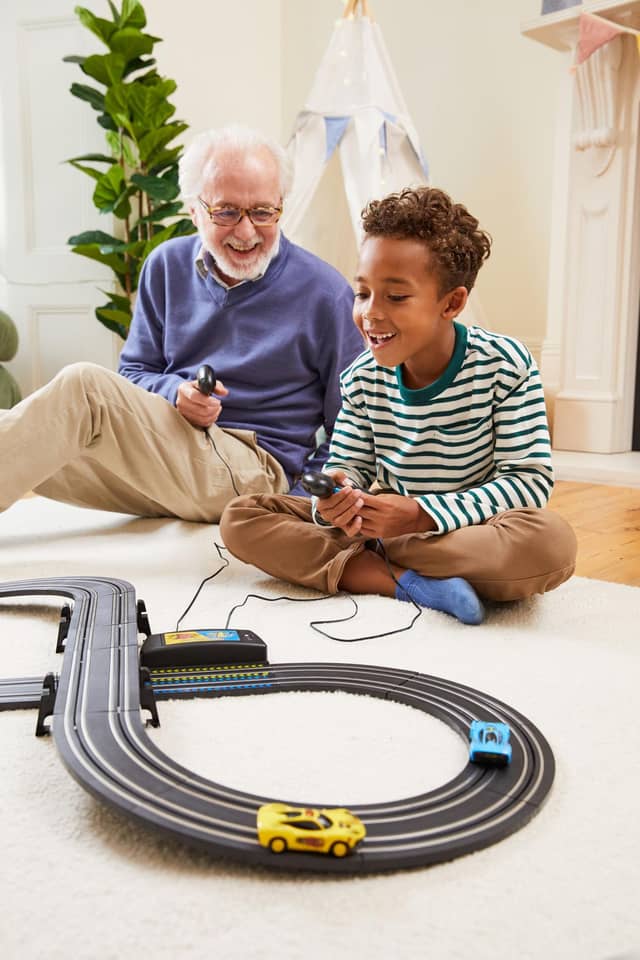
That search is leading them back to activities that once seemed consigned to childhood or nostalgia. Model railways, Airfix kits, Scalextric cars and collectible die-cast models are finding new audiences. These aren’t just quaint pastimes, but increasingly a deliberate way to unplug. Unlike scrolling, hobbies demand focus and patience – qualities people say help them unwind and recover from the pressures of digital life.
Wellbeing experts agree. Dr Radha Modgil notes that creative, hands-on activities can act as a “mental reset,” drawing people into the present moment and relieving stress in ways that scrolling through newsfeeds rarely can. The research bears this out, with adults who feel over-reliant on screens reporting far higher levels of anxiety and lower life satisfaction than those who don’t. Many say that hobbies such as model making could help them relax and even reduce their screen time.
What’s striking is how broad this shift appears to be. Parents are seeking screen-free time with children, younger adults are looking for balance, and older generations are returning to hobbies they once loved. The message is consistent: screens may be integral to modern life, but they can’t replace the satisfaction of making something with your own hands.
At a time when many of us instinctively reach for a device without thinking, hobbies are quietly re-emerging as a way to restore focus, connection and calm. And that may be the kind of reset we all need.