
Workshop to empower charities and organisations in shaping £20m regeneration plan
Charities and community organisations in a popular seaside town will come together to exchange ideas, share best practices, and explore collaborative solutions to the challenges currently facing the third sector.
A free workshop, organised by the Rhyl Neighbourhood Board—the group behind the expanding Ein Rhyl/Our Rhyl initiative—will take place at Rhyl Rugby Club on Thursday, July 3.
Scheduled from 2pm to 4pm, the session will be delivered by Denbighshire Voluntary Services Council (DVSC), a key partner in the team working to engage the private and public sectors, education providers, and the wider community. DVSC is also contributing to the development of a £20 million masterplan aimed at enhancing infrastructure, creating employment, and removing barriers to opportunity as part of the UK Government’s Plan for Neighbourhoods programme, to be implemented over the next decade.
DVSC Associate Alison Hill, who led a recent consultation with local groups in the run-up to the event, noted a strong appetite among organisations to collaborate more closely and maximise their collective impact.
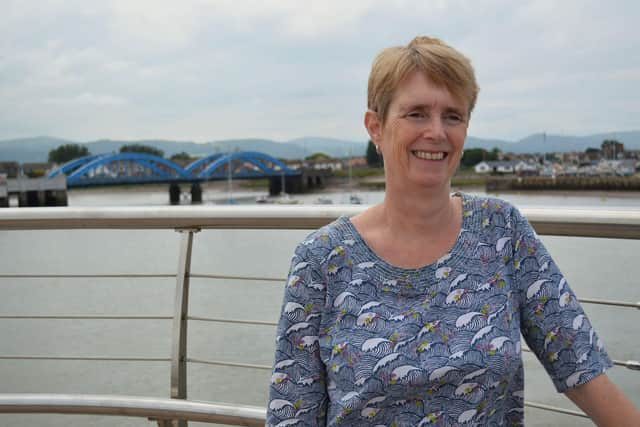

“We had a lot of feedback on what the most pressing needs are for them, and what the biggest issues are, with examples being high levels of poverty, youth disengagement, lack of affordable housing, mental health and the decline of the town centre,” said Alison.
“For the majority, solutions included safer streets and reducing anti-social behaviour, cleaner and greener public spaces, better leisure facilities and accessible community buildings, and more funding and resources for voluntary organisations.
“We will discuss this further at the workshop and outcomes from the day, so our consultation and surveys will help shape the decision-making process and priorities for the Board as it moves forward in designing a plan that will have a generational impact on the area.”
The DVSC consultation also highlighted a strong desire among third sector organisations to collaborate and share resources—something that has been historically hindered by funding competition and staffing challenges.
“They want to see more collaboration between themselves and local authorities to avoid duplication and competition,” said Alison.
“Many do so informally through shared spaces, joint initiatives, and referral networks or networking but more coordination and joint delivery could make a huge difference for them and their service users.
“Youth empowerment, inclusive training and development, celebrating Rhyl’s strengths and its pride and resilience… these were part of their vision for the town and will be discussed at the workshop.”
She added: “We encourage all third sector organisation and charities in the town to be there on the day, to discuss these findings and collectively refine themes that will help form the strategy and foster closer working links moving forward – we hope to see you all on Thursday.”