
A day in the life of a home care provider
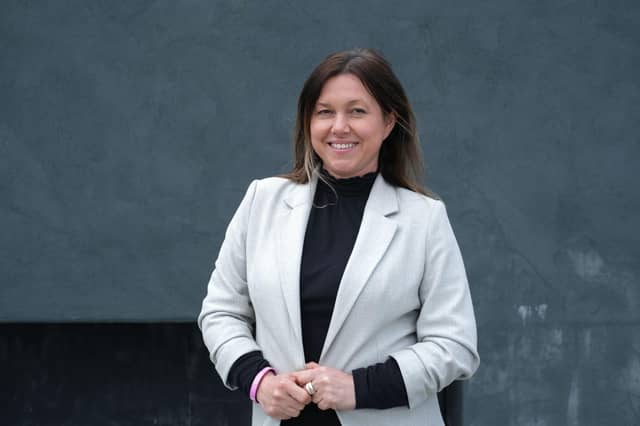

Dorset care professional explains why not all care happens in a care home
When we speak about social care, much of the public conversation centres around care homes, and understandably so. They provide a vital service to thousands across the UK. But for a growing number of people, home is where care happens, and that brings a different rhythm, a different reality, and a different kind of relationship altogether.
As the founder of SilverStars Care, a Dorset-based home care provider, I’d like to offer an insight into what a “typical day” looks like in our world; one that is just as regulated, person-centred and professional as residential care, but deeply shaped by flexibility and individual choice.
Early starts and individual schedules
Our carers’ days often begin before 7am. One might be helping a gentleman with Parkinson’s get ready for the day. Another may be supporting an older couple with mobility issues to have breakfast safely. In contrast to a care home, where routines are more structured, home care requires adapting to each person’s lifestyle, preferences and needs.
Each care plan is unique, and updated frequently to reflect changing circumstances, whether it's a hospital discharge, new medication, or family input. Our care isn’t task-driven; it’s relationship-driven. We work with people, not on them.
Lone working with strong support
Our team is based in Sherborne and spread throughout the area, delivering care in people’s own homes. Carers often work alone, so robust training, regular communication and emotional support are essential. We check in frequently; both formally, through supervisions and spot checks, and informally, through open dialogue and ongoing mentorship.
The practical skills involved, such as administering medication, personal care and meal prep, are only part of the picture. Our carers also need to notice small changes that might signal bigger issues: a decline in mobility, signs of confusion, loss of appetite. That vigilance can be life-saving, especially for clients without close family nearby.
Midday: Managing the moving parts
My role as founder and manager is a constant juggle between compliance, coordination and care quality. While our carers are out delivering frontline support, we’re reviewing care plans, communicating with GPs and district nurses, responding to safeguarding concerns, and liaising with families.
There’s a lot of admin behind the scenes, that includes MAR charts, risk assessments, scheduling and CQC compliance. Unlike a care home, we don’t have all our staff under one roof. Technology plays a big role in keeping everyone connected and accountable. But what really makes the difference is trust and consistency. Our carers know their clients, and our clients know exactly who’s coming through their door.
The emotional side of care
One of the most powerful aspects of home care is the one-to-one connection. We often support people through the final chapters of their lives, and we do so in their homes, surrounded by their belongings, memories, and, when possible, their loved ones.
It’s deeply personal work. Whether it’s taking someone out for their weekly walk along the beach or helping a client regain confidence after a fall, our focus is always on dignity, independence and reassurance.
Many of our clients live alone, and we may be their only point of contact that day. That companionship and human presence matter just as much as any practical task.
Evening and beyond
Care doesn’t end at 5pm. We provide visits into the evening to help clients get ready for bed, take their medication, or settle safely for the night. We also provide live-in care for those needing round-the-clock support, an increasingly popular alternative to residential care for people wanting continuity and independence.
Looking ahead
The future of social care must include more recognition and investment in home care. As a sector, we play a vital role in keeping people out of hospital, reducing pressure on NHS beds, and allowing people to live the way they want to, at home.
Yet we’re often misunderstood, underrepresented, or lumped in with residential services. While we share the same values — dignity, compassion, professionalism — the delivery model is different. It’s mobile, agile, and deeply personalised.
As we continue to navigate workforce challenges, funding constraints and rising demand, I hope more policymakers and commissioners will look closely at what home care offers; not just as a stopgap, but as a long-term solution.
Final Thoughts
A day in the life of a home care provider can be unpredictable, emotionally charged, and endlessly varied. But at its heart is a simple belief: that people should be able to receive high-quality care without leaving the place they call home.
Home care is not the easy option. It requires skilled professionals, strong leadership, and meaningful support. But it is, in many ways, the future of care, and it deserves a seat at every table where social care is being discussed.