
After Zoe Ball revealed she suffers from TMJ pain, how sleep position can affects the condition
Did you know that something as simple as your sleep position could be making your temporomandibular joint pain worse?
Last week Zoe Ball she suffered terrible headaches due to TMJ - so the condition was in the headlines.
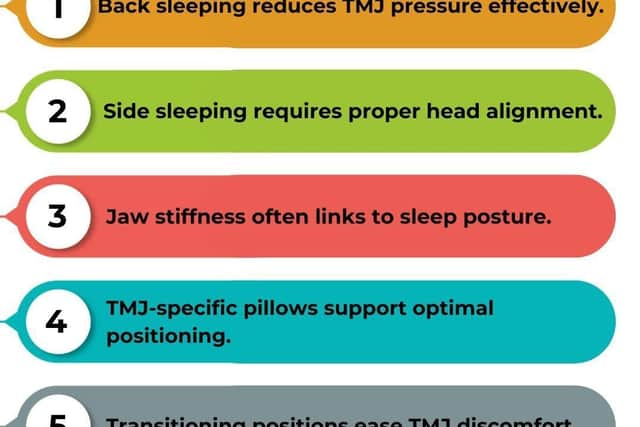

For many people dealing with TMJ disorders, the way they sleep plays a bigger role than they realize. Whether it’s waking up with jaw stiffness, discomfort, or even headaches, your sleep posture might be contributing more to your symptoms than you think. In this blog, we’ll examine how your sleep posture might affect your jaw health. Let’s explore how you can make simple adjustments for long-term comfort.
Understanding TMJ Pain

What is TMJ Pain?
TMJ pain refers to discomfort in the temporomandibular joint, the hinge that connects your jaw to your skull. This joint allows you to chew, speak, and yawn, but when it’s not functioning properly, it can cause significant pain. TMJ pain is often linked to TMJ disorders, which may result from stress, clenching or grinding your teeth (known as bruxism), or jaw misalignment. Common TMJ symptoms include jaw stiffness, difficulty opening or closing the mouth, and clicking or popping sounds during movement.
Symptoms of TMJ Pain
Symptoms often extend beyond the jaw, including TMJ ear pain, headaches, and even facial discomfort. These issues can make everyday activities like eating, talking, or sleeping challenging, significantly impacting one's quality of life.

The Connection Between Sleep and TMJ Pain
Sleep’s Influence on TMJ PainYour sleep habits, especially your position, play a big role in how TMJ pain develops or worsens. Poor sleep posture, like sleeping on your stomach, can misalign your jaw and put added pressure on the TMJ. Additionally, low sleep quality can increase stress levels, leading to more clenching or grinding at night. Adjusting your sleep position can significantly reduce TMJ symptoms and improve your comfort.
Sleep Positions and Their Impact on TMJ
PainFinding the right sleep position is a game-changer when managing TMJ pain. The way you position your head, jaw, and neck during sleep can significantly influence the pressure on your temporomandibular joint, either easing discomfort or making it worse. Here’s a closer look at the most common sleep positions and their effects.

Back Sleeping
Sleeping on your back is generally the best option for TMJ pain. This position keeps your head, neck, and spine in proper alignment, which helps minimize tension on the jaw. It also avoids putting pressure directly on the joint, reducing the risk of waking up with stiffness or discomfort. Using a TMJ-specific pillow that supports the neck while keeping your head in a neutral position can enhance the benefits of back sleeping.
If you sleep on your back, choose a supportive pillow designed to cradle your neck and head. To avoid clenching or grinding while you sleep, consciously relax your jaw before bed—try gentle stretches or mindfulness exercises. A pillow with slight contouring can also help you maintain the ideal position throughout the night.
Side Sleeping
Side sleeping is a common choice, but it can be a bit tricky for those with TMJ pain. Sleeping on the side with the most discomfort can increase pressure on the jaw, leading to pain or stiffness. However, sleeping on the opposite side might offer some relief by taking the strain off the affected joint. Proper neck and head alignment is key to minimizing discomfort.
A contour pillow can help support your head and neck while reducing strain on the jaw. To avoid worsening TMJ symptoms, try placing a pillow between your knees to keep your spine aligned. If you notice discomfort, experiment with slight adjustments to your head’s tilt to find a position that reduces jaw pressure.
Stomach Sleeping
Sleeping on your stomach is the least recommended position for TMJ pain. This position forces your head to turn to one side, putting strain on your jaw, neck, and spine. The prolonged pressure on the jaw joint can aggravate TMJ symptoms and make it harder to find relief.
If you’re used to sleeping on your stomach, consider transitioning to back or side sleeping. To make the switch easier, use a body pillow to support a new position and prevent rolling over during the night. If you must sleep on your stomach, use a very thin pillow to reduce neck strain and try to keep your jaw relaxed.
How to Choose the Best Sleep Position for TMJ Relief
Finding the best sleep position for TMJ relief starts with understanding how your current habits might be contributing to your pain. The right adjustments can reduce strain on your jaw and help you wake up feeling better.
Assessing Your Sleep Position
Start by evaluating how you sleep and whether it might be affecting your TMJ symptoms. Do you notice more pain or stiffness in the morning? Is your TMJ ear pain or even an itchy sensation around the ear worse after a night’s sleep? If so, your position might be putting unnecessary pressure on your jaw. Pay attention to whether you sleep on your back, side, or stomach, and note how you feel after each. This simple awareness can help pinpoint patterns between your sleep habits and discomfort.
Adjusting Sleep Positions
Transitioning to a more TMJ-friendly sleep position can make a significant difference. If you’re a stomach sleeper, try training yourself to sleep on your back, which keeps the jaw in a neutral position. Use a TMJ pillow designed to support your neck and head while reducing pressure on the jaw. For side sleepers, choose a pillow that keeps your head aligned with your spine and prevents your jaw from tilting downward. Opt for a medium-firm mattress to support your overall posture and reduce strain on the jaw.
Additional Considerations
Your mattress, pillows, and overall sleep environment can also impact TMJ pain. A supportive mattress helps maintain good alignment, while a quiet, dark room encourages deeper, more restorative sleep, reducing stress-related clenching. If you’re dealing with TMJ ear pain, try propping your head slightly with pillows to relieve pressure around the jaw and ears. Combine these adjustments with relaxation techniques before bed to further minimize jaw tension and promote better sleep.
Additional Tips for Managing TMJ Pain During Sleep
Getting a good night’s sleep with TMJ pain often requires a combination of thoughtful sleep hygiene and professional guidance. Making small adjustments can help minimize discomfort and improve your overall quality of rest.
Creating a Relaxing Environment
A calm sleep environment can do wonders for TMJ pain. Keep your room cool, dark, and free from distractions. Consider using soothing scents like lavender or white noise machines to create a relaxing atmosphere that helps you fall asleep faster and stay asleep longer.
Avoiding Pain Triggers
Be mindful of habits that can worsen TMJ symptoms before bedtime. Avoid clenching your jaw or chewing on tough foods in the evening. If you tend to sleep with your mouth open, this can increase strain on the jaw, so practice keeping your jaw relaxed and closed as you prepare for sleep.
Professional Help - Consulting a TMJ Specialist
For persistent TMJ pain, consulting a specialist like Dr. Korwin can provide the personalized care you need. A specialist will evaluate your symptoms, offer tailored advice, and recommend effective solutions. Search for a TMJ clinic or TMJ doctors near me to find experts who can help.
Treatment Options
Professional treatments often complement changes in sleep position and habits. Options include physical therapy for strengthening jaw muscles, custom-fitted oral appliances to prevent clenching, and more advanced treatments to address severe cases. If immediate care is needed, look for TMJ treatment near me or an urgent care dentist to get prompt relief. Combined with good sleep hygiene, these strategies can significantly reduce TMJ pain over time.
Conclusion
Finding the right sleep position can make a significant difference in managing TMJ pain. As we’ve discussed, sleeping on your back with proper support tends to be the most TMJ-friendly, while side sleeping can be adjusted for comfort with the right pillow. On the other hand, stomach sleeping often worsens symptoms due to the added pressure on the jaw and neck. Understanding how your sleep habits impact your jaw is a simple but powerful step toward relief.
If you’re struggling with TMJ pain, start by assessing your current sleep position and making small adjustments to support better alignment. For persistent discomfort, consulting an expert like Dr. Korwin can provide the personalized care and guidance you need. Whether it’s finding a TMJ specialist in New Jersey or exploring tailored treatment options, taking action now can lead to long-term improvement.
Your sleep position matters more than you might think, and proactive changes can have a big impact. Don’t let TMJ pain disrupt your rest — explore effective solutions, including expert TMJ treatment and resources for TMD pain, to find the relief you deserve. Better sleep and less pain are within reach!