
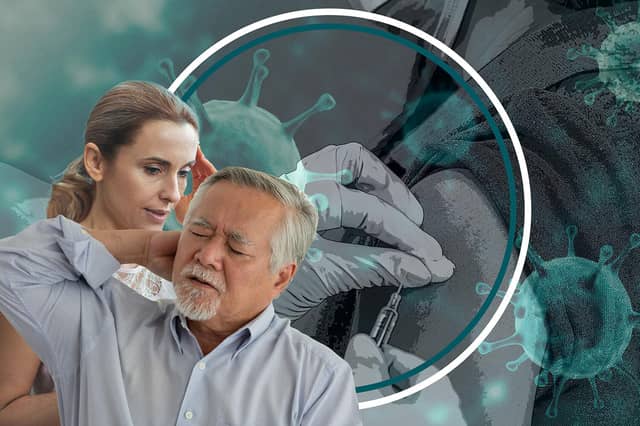


The Health Secretary is urging people to “top up” their Covid jabs as part of a spring booster campaign.
The Joint Committee on Vaccination and Immunisation (JCVI) has advised an additional booster dose for those at high risk of severe coronavirus, with vulnerable groups invited to get an extra jab six months after their last vaccine.
Adults aged 75 and over, care home residents and individuals aged 12 and over who are immunosuppressed are eligible for the jab, which can be booked online via the NHS national booking service or by calling 119.
The rollout comes as the NHS in England has been told to prepare for a 15-week autumn Covid campaign this year from September to December.
The health service has been told to prepare for a “minimum scenario” of offering jabs to people in groups one to six, as set out by the JCVI. This includes care home residents and staff, frontline NHS and social care workers, people deemed at risk due to underlying health conditions plus all those aged 65 and over. A “maximum scenario” includes everyone aged 50 and over.
Sajid Javid told BBC Breakfast the JCVI has said “it’s possible there will be an autumn booster campaign, probably for those that are 50 and over, but they haven’t yet made a final recommendation on that”.
He added that despite the current surge in Covid cases, driven by the BA.2 sub-variant of Omicron and the waning effectiveness of booster doses, the government’s “level of concern hasn’t changed”.
The sub-variant, dubbed ‘Stealth Omicron’, is more infectious than previous strains, but the government has stressed that vaccines “work just as well” against it and is calling on people to come forward for a top up dose if eligible.
A full dose of the Pfizer vaccine or a half dose of the Moderna vaccine will be offered in the spring booster rollout, regardless of which vaccine you received the first time.
Much like the previous doses, it is normal to experience some side effects after your vaccine and symptoms can vary from person to person.
Listed are the most common side effects associated with the Pfizer and Moderna vaccines and how long symptoms usually last.

5. Fever
Feeling feverish after your jab is not uncommon, with a high temperature, sweating and red skin among the symptoms some people experience. This is a sign that your immune system is responding and is a normal reaction after the vaccine. Getting plenty of rest, drinking fluids and taking paracetamol or ibuprofen if you feel uncomfortable is the best remedy if you feel unwell. Photo: Shutterstock
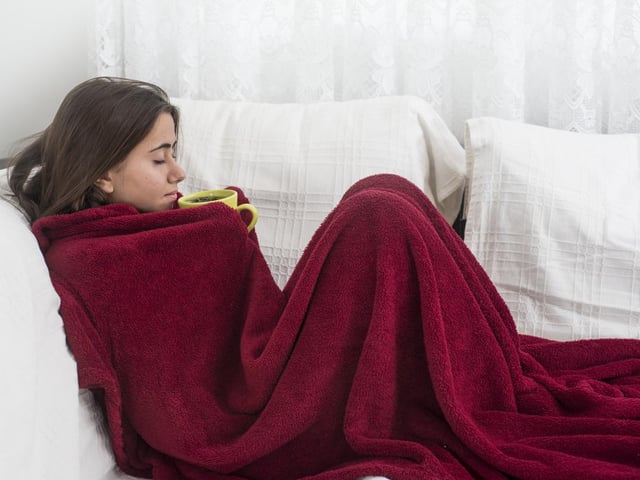
6. Chills
Some people may experience shivers and chills after vaccination. Again, this is a sign of your immune system responding to the jab and should only last a couple of days. Photo: Shutterstock

7. Tiredness
It is normal to feel tired and lacking in energy for a few days after your jab. It is advised that you take it easy and get plenty of rest following your vaccination and the symptoms should pass within a few days. Photo: Shutterstock

8. Headache
A headache is one of the most commonly reported side effects of the booster jab and can be relieved by taking paracetamol. If you experience a new, severe headache which is not helped by painkillers, or gets worse when bending down and is accompanied by blurred vision, nausea or vomiting from around four days to four weeks after your jab, you should seek urgent medical advice. Photo: Shutterstock