
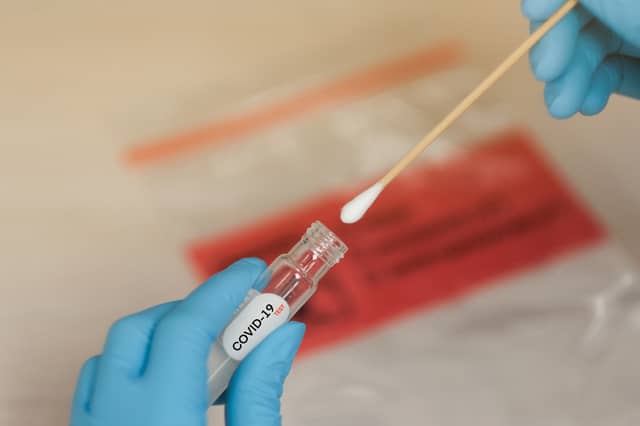


Covid infections have continued to rise across Northern Ireland in the latest week, despite cases falling in England and Wales, according to official figures.
The Office for National Statistics (ONS) weekly coronavirus infection survey found an estimated 1.9 million people in the UK had Covid in the week ending 24 October, down from over 2 million the week before.
Members of private households are swabbed with PCR tests at random as part of the long-running survey, so it was not affected by the withdrawal of mass testing across the country.
There is significant variation in Covid prevalence between the UK’s regions and devolved nations, ranging from one in 29 people positive to one in 39 in the latest week.
Read more: Wealthy countries including UK caused millions of deaths by hoarding Covid-19 vaccines, study finds
In England, around 2.9% of people (one in 34) were thought to have Covid, rising to 3.7% (one in 29) in the worst affected region. Infection levels have fallen compared to the previous week, when 3.2% were positive.
Figures are published at a regional level in England, and national level for Wales, Scotland and Northern Ireland. Once a month, local level data is published for the whole of the UK - you can find out the areas with the highest Covid levels the last time this data was released here.
We have ranked the nine English regions and three devolved nations by the proportion of people testing positive in the week to 24 October below.
5. North West
Slightly under 3% of people were positive in the North West, or one in 33. The ONS said infection levels were falling. | Shutterstock
6. North East
Just shy of 3% of people (one in 33) were also positive in the North East, with the number testing positive decreasing compared to the previous week. | Shutterstock

7. South West
An estimated 2.9% of people (one in 35) were positive in the South West, with the ONS saying the trend compared to the previous week was uncertain. | Shutterstock
8. West Midlands
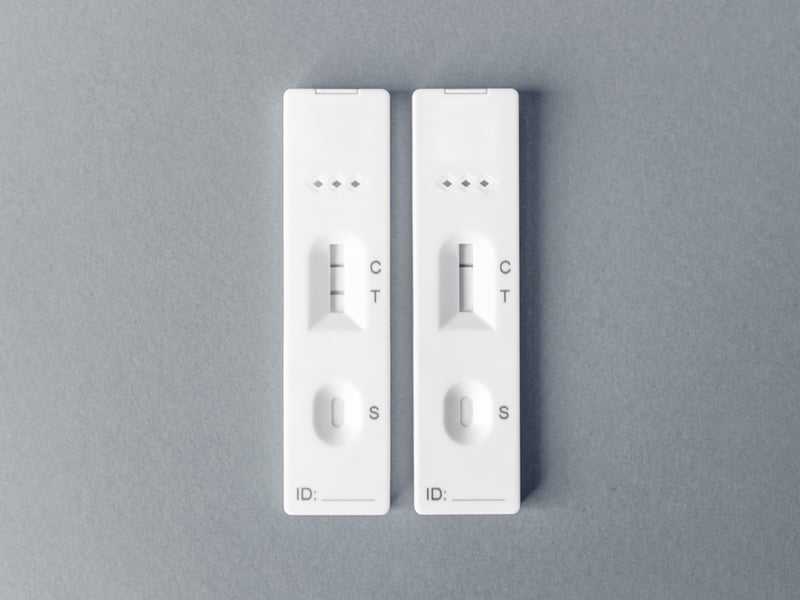
One in 35 people (2.8%) tested positive in the West Midlands, with infection levels falling, the ONS said. | Shutterstock