
Diabetes: Hidden stress of travelling with diabetes and how to avoid disaster
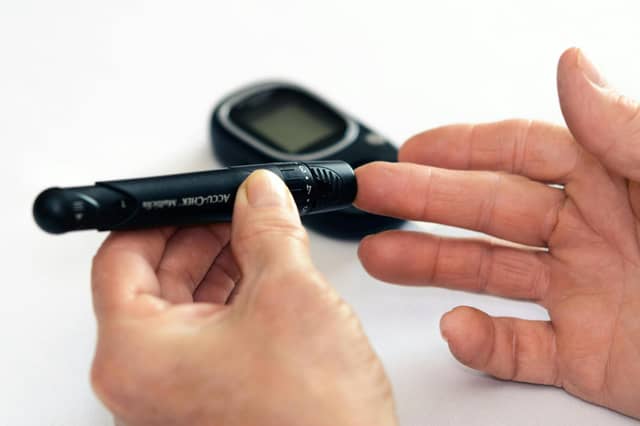

GP warns travellers with diabetes about medication mishandling and insurance mistakes that could leave them stuck abroad with unexpected medical bills.
Travelling with diabetes means there are a few more things to think about before you set off. But living with diabetes shouldn't be a barrier to taking trips abroad. Mishandling medication, failing to declare pre-existing conditions to insurers, or not carrying proper documentation can result in serious health risks and unexpected medical expenses abroad.
According to Diabetes UK, around 5.8 million people in the UK are living with diabetes, making it one of the most common long-term conditions.
Despite this, awareness of travel safety remains low. Without proper care, all types of diabetes can lead to serious complications. On a weekly basis, diabetes results in 184 amputations, over 980 strokes, 680 heart attacks, and 3,230 cases of heart failure.
With potentially over 7.2 million UK residents travelling abroad in October alone, it is vital to take the right precautions while travelling to safeguard your health.
Airport security: A major hurdle for pump users and CGMs
Ken, a banker from Edinburgh with type 1 diabetes, recalls a stressful incident at airport security.
“Airport staff were adamant that you put your insulin through a scanner even though they don’t know if that is safe to do so or if it damages the pumps efficacy,” he continues. “I have a pump; I cannot go through a body scanner; it would damage it. So, I show them a doctor's note anyway to cut down on the hassle.”
For people using insulin pumps or continuous glucose monitors (CGMs), airport security can add another layer of stress. Many of these medical devices should not go through full-body scanners or X-ray machines and instead need manual inspection, something not all airport staff understand.
“Travellers often say, ‘I have a pump, I can’t go through the scanner,’ but security staff may not be aware of the implications,” explains Dr Asimah, a GP with an interest in diabetes care.
“Some infusion pumps and glucose monitoring devices should not be exposed to X-ray screening systems and whole-body scanners. However, this advice differs between different manufacturers; therefore, users are advised to check before travelling. Patients should carry their device registration card to show to staff when passing through security checks.”
Tip: Download a Medical Device Awareness Card
If you use a CGM, insulin pump, or Freestyle Libre, and are flying, download a Medical Device Awareness Card from the City Aviation Authority's website to go with your doctor's letter. The card is not essential, but it may make things easier. You show this to airport security officers with your letter, as it sets out the rules on screening if you wear a medical device.
While many security teams are trained, the knowledge is not consistent. Patients need to advocate for themselves, politely but firmly. A clearly written letter and medical device awareness card can make the process quicker and less stressful.
Dr Asimah's Advice: Preparation is key
Dr Asimah emphasises the importance of thorough preparation when travelling with diabetes.
You're permitted to carry:
- Essential liquid medications over 100ml (e.g. insulin)
- Medical equipment necessary for your journey
You must provide proof that the medication is prescribed to you, either via a doctor’s letter or a copy of your prescription, especially for:
- Liquids over 100ml, including liquid dietary foodstuffs and inhalers.
- Medical equipment is essential for your journey.
- Syringes, lancets, needles, and similar equipment
“Insulin is a liquid, so anything over 100ml needs documentation,” says Dr Asimah. “Add syringes, lancets, and needles, and you’ll almost certainly be pulled aside unless it’s all clearly labelled with supporting documents.”
Pro tip: Bring a copy of a recent prescription with you in case you need to get supplies whilst away. If you have the NHS app on your mobile phone, this also shows your medical record and repeat prescription information.
The importance of declaring diabetes to insurers
Most travel insurance policies exclude pre-existing conditions, including diabetes, unless you explicitly declare them.
“Insurance companies can and do reject claims if you didn’t declare your diabetes, or if your actions contributed to the problem,” warns Dr Asimah. “It’s essential to read the small print.”
A spokesperson from Staysure, a specialist insurance provider for travellers with medical conditions, adds, “Our tailored travel insurance policies are designed to provide cover for emergency medical treatment and repatriation. For those taking out Comprehensive or Signature policies, we include cover of up to £250 for the replacement of prescription medication (including insulin) if it is lost during your trip. To ensure you’re properly protected when travelling with diabetes always declare the condition honestly and keep your policy up to date with changes to your health. It's a good idea to carry all necessary documentation when travelling with medication to help avoid delays with security staff.’
Dr Asimah’s top tips for travelling safely with diabetes
Managing medication
- When travelling with insulin, it is best to keep it cool by storing it in a hotel fridge (if one is available in your room) or in a cool bag (provided it does not freeze).
- If booking long-haul flights, consult your diabetes health care team about adjustments to your insulin routine.
- Changes in air pressure when flying or at high altitude and changes in temperature can cause the formation of air bubbles in your insulin (pen and pump), so check for these before delivering your insulin doses.
- Be aware that heat, high altitude, and humidity can affect the accuracy of blood glucose monitoring equipment.
- Bring a list of all medications and your repeat prescription. In some countries like the USA, blood glucose levels are measured differently from those in the UK.
- If in doubt, consult Diabetes UK’s conversion chart online. Check with your GP surgery or travel clinic for advice on travel injections and how the local weather and time zones could impact your diabetes.
Taking care of your feet
- Ensure you wear comfortable shoes in case your feet swell in warmer climates.
- Take particular care of your feet if you have neuropathy, which is numbness in your feet. This can reduce your awareness of skin burning, so protect them from the sun with socks or sunscreen. Make sure you wear well-fitting sandals on the beach, so they don’t burn on the hot sand.
- If you get a blister on your foot, steer clear of the sea and cover it with a plaster.
Preparing for the unexpected
- Bring extra medication to cover you in case of travel delays.
- If you’re travelling with someone, consider keeping some of your medication in their bag, just in case you lose yours.
- Carry a diabetes identity card.
- Consider buying travel insurance that is tailored to your medical conditions and provides cover for cancellation, your belongings, medical emergencies and repatriation. If travelling in Europe, it's a good idea to carry a valid European Health Insurance Card (EHIC) or Global Health Insurance Card (GHIC). This entitles you to free or reduced-cost treatment in European countries but is not a substitute for travel insurance. ]
By following these simple guidelines, travellers with diabetes can enjoy their trips with confidence, knowing they are prepared for any eventuality. Taking out medical travel insurance is a crucial step in achieving this and safeguarding your health and your finances. Her advice to others is simple: don’t assume everything will go to plan.