
Do you really need a root canal? Understanding the treatment, myths, and alternatives


If there’s one dental phrase that makes people uneasy, it’s “root canal.” The term itself often brings to mind pain, expense, and a long session in the chair. But is all the fear really necessary? And more importantly—do you always need one when it’s suggested?
Let’s break down what root canal treatment actually involves, why it’s used, and when alternatives might be considered.
What Is a Root Canal?
A root canal is a dental procedure designed to save a tooth that is severely infected or inflamed on the inside. Instead of removing the entire tooth, your dentist removes the damaged pulp (the soft tissue inside), cleans the canal, and fills it with a safe, rubbery material. The tooth is then sealed and usually fitted with a crown to restore its function and appearance.
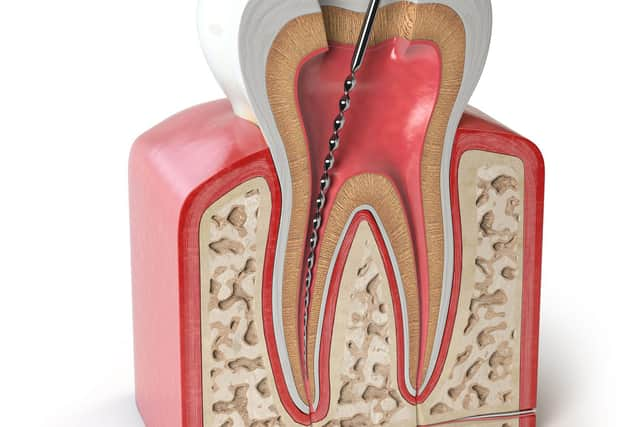
This treatment helps eliminate pain and infection while keeping your natural tooth in place.
When Is It Typically Recommended?
Root canal treatment is usually considered when:
- There’s deep decay that has reached the pulp
- A tooth is severely cracked or broken, exposing the nerve
- There’s an abscess (a pocket of infection) at the base of the tooth
- A previous filling or trauma has caused lingering sensitivity or pain
Common signs you might need a root canal include:
- Persistent pain, especially when chewing or applying pressure
- Prolonged sensitivity to hot or cold
- Swollen gums or pimple-like bumps near the tooth
- Darkening or discoloration of the tooth
It’s important to note that in some cases, no symptoms are present—and the need for a root canal is only discovered through an X-ray.
Myths vs. Reality
There are many misunderstandings about root canals. Let’s clear up a few:
Myth 1: Root canals are painful.
Reality: Thanks to modern dental techniques and local anesthesia, root canals are typically no more painful than getting a regular filling. The procedure is designed to relieve pain—not cause it.
Myth 2: It’s better to pull the tooth.
Reality: Saving your natural tooth is almost always better if possible. Extracted teeth can lead to shifting, bone loss, and the need for more complex treatments like implants or bridges.
Myth 3: Root canals cause illness.
Reality: This idea comes from outdated research. Modern science has found no evidence linking root canals to disease elsewhere in the body.
Pros of Root Canal Treatment
- Preserves your natural tooth
- Eliminates pain and infection
- Restores chewing and speaking ability
- Maintains jawbone integrity
- Avoids gaps in your smile
What Are the Alternatives?
In some cases, a root canal isn’t the only option. Depending on the condition of the tooth, your dentist may discuss:
- Extraction and replacement: If the tooth is too damaged, removal may be necessary. Options to replace it include bridges, implants, or partial dentures.
- Pulp capping: In early stages of pulp exposure, a dentist might apply a protective material to allow the pulp to heal—avoiding a full root canal.
- Monitoring: If symptoms are mild or unclear, your dentist might recommend waiting while keeping a close eye on the tooth.
Always ask questions if you're unsure why a certain treatment is being recommended. A good dental team will help you weigh your options without pressure.
What to Expect During the Procedure
The treatment usually takes one to two appointments. Here's a general outline:
- The area is numbed with local anesthesia.
- The dentist drills a small opening into the tooth to access the pulp.
- Infected tissue is removed, and the canals are cleaned.
- The space is filled and sealed.
- A crown is placed to protect the tooth.
Recovery is generally mild, with minor soreness that fades within a day or two. Over-the-counter pain relief is often all that’s needed.
Aftercare Matters
After a root canal, it’s important to:
- Follow your dentist’s care instructions
- Keep up with brushing, flossing, and dental visits
- Avoid chewing hard foods on the treated tooth until the crown is placed
With good care, a root canal-treated tooth can last just as long as your other natural teeth.
Final Thoughts
Root canals may sound intimidating, but they are one of the most effective ways to treat infected or damaged teeth without resorting to extraction. They help preserve your smile, protect your bite, and reduce long-term complications.
If your dentist recommends a root canal, don’t panic. Ask questions, understand your options, and know that the goal is to keep your natural tooth healthy and functional for years to come.
This article is for general information only and does not constitute dental or medical advice. Please consult a licensed dental professional for guidance tailored to your specific condition.