
How social connection supports wellness in Dementia care
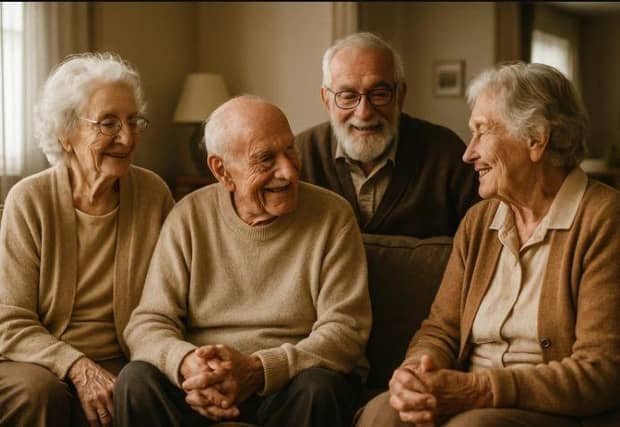

Living with a condition like dementia is not an easy journey, but there's one thing that makes people find joy in their lives- social connections.
Living with a condition like dementia is not an easy journey, but there's one thing that makes people find joy in their lives- social connections.
When someone with dementia stays connected to loved ones, it improves their cognitive as well as physical health.
Let's discuss how social connections support wellness in dementia care and some simple ways to help the people you care about.
Why Social Connection Matters in Dementia Care
Wellness is not just about physical health. It means feeling emotionally good, staying mentally active, and enjoying interacting with others. But conditions like aphasia and dementia can make these things harder to maintain.
Therefore, the solution is to provide a kind of environment to the affected person where they can feel connected and valued.
Social connection is essential for wellness in dementia care. Being around others helps slow memory decline, improve mood, and reduce loneliness.
For them, interaction is like a mental workout- games, chats, music, or crafts all contribute to good mental health.
Spending even an hour a day with someone can lift their mood, spark more interest, and help keep agitation away.
Ways To Stay Connected - Even With Communication Challenges
When dementia and aphasia affect communication, it's easy to feel stuck. Communication may become tougher, and interactions may start to decline.
But here's the thing- connection does not have to rely on just words. You can use photos, music, or familiar objects to connect with the person- maybe flip through old albums, do gardening, or craft together.
These activities let patients express themselves without needing perfect words.
Dementia care facilities often offer music sessions, art therapy, baking, gardening, or simple conversations with staff. This helps reduce communication barriers and loneliness.
Simple Tips for Families and Friends
Want to stay connected with someone at home or in care? Here are ideas you can try:
- Spend time together- even 20-30 minutes every day is enough
- Use photos or items from the past to build a connection
- Sing or play their favorite music
- Try to speak slowly while conversing, and use short phrases
- Go for a walk together or have tea time
The best part? You don't have to put in much effort. Just sharing time will help them improve.
Benefits of Social Connection
Social connection is not about the number of people around but the quality of the interactions. Here's how it helps:
Emotional benefits
Individuals with dementia often feel isolated and lonely. They don't express their feelings and sometimes do not even understand what's happening around them.
Social connections provide comfort and companionship. Simple things like a smile, a kind word, or a shared laugh can make their day.
Cognitive benefits
Interactions keep the brain engaged- talking or listening can stimulate memory and thinking skills.
Activities like playing games, telling stories, or singing together can slow cognitive decline.
Physical benefits
Being around people encourages physical movement - maybe a short walk with a friend or dancing together.
When they stay active, it helps improve physical health and reduce the risk of falls and other health issues.
Behavioral benefits
These feelings- frustration, stress, agitation- they’re not unusual at all in dementia. They show up more often than people realize.
How Dementia Care Facilities Help Build Social Connection
A dementia care facility often has programs and activities designed to help its residents interact socially. Here's how they help –
Comfortable spaces
They have quiet, cozy places where residents feel safe and welcome.
Facilities also allow family members to visit the patients, making the space more familiar.
Fun activities
These communities plan activities according to residents' interests and abilities.
From music and craft to puzzles and gentle exercises, there's a lot to make connections easier.
Trained caregivers
Caregivers are trained to handle residents using clear language, maintaining eye contact, and being patient listeners. These actions build trust and connection.
Community involvement
Local clubs, outings, and support groups can offer extra social opportunities. This adds more chances for building connections.
Why It Matters So Much
So here’s why this really matters: social connection supports wellness in dementia care because it helps with everything.
Whether it's mood, memory, movement, or even how someone responds to the world around them, when people feel connected, they tend to feel better and behave better.
Plus, it’s not just about the person with dementia. Caregivers and family members feel the difference, too. When those connections are strong, things feel a little less overwhelming.
There’s more support, more ease, and honestly, more good moments to hold onto- and that makes all the difference.
Wrapping it Up!
Social connection is not an optional thing for dementia care- it's an essential part. Whether it's a group activity or just a walk in the park, connection brings plenty of benefits.
It helps them feel less alone, stay mentally sharp, and behave better. All of these add up to a better quality of life.
If your loved one is dealing with dementia, try to help them connect with others. These connections don't just help the person with dementia; they bring joy to everyone involved.