
International Day of Play: All to play for as we play for a healthier future
Rates of mental health problems among children and young people have risen significantly over recent years, and now affect one in five 8-25 year olds.
The long-term impact of childhood mental health problems the government says, now costs the UK £1 trillion in lifetime lost earnings. Yet there is a wide range of preventive measures that could reverse the rise and reduce the risks for children and young people. Open Access Play being one such measure.
In addition under government plans, the public have also been promised, that all pupils will have access to mental health support in schools by 2029/30, in line with its Plan for Change to improve children’s and young people’s life chances. Government assert, that this will address, the root causes of poor attendance and behaviour.
As we know childhood and adolescence, are crucial stages of life for mental health. Brain development rapidly increases. Cognitive and emotional skills, along with resilience, being shaped at this stage of life.

As the World Health Organisation highlights, the quality of the environment where children and adolescents grow up, shapes their well-being and development. Early negative experiences in homes, schools, or digital spaces, such as exposure to violence, the mental illness of a parent or caregiver, discrimination, bullying and poverty, all increase the risk of mental illness.
Play is integral to supporting children’s and young people’s mental health.
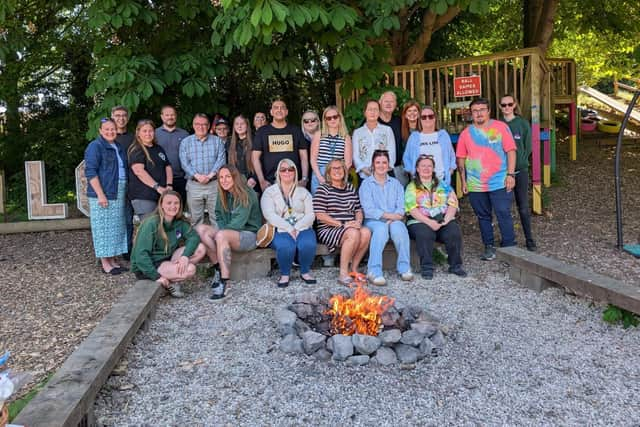
Play services like The Old Quarry Playground (The Addy) in Wakefield, demonstrate how impactful, freely chosen and self-directed play is. This Playground nurtures children’s and young people’s positive mental health through fun and stimulating play opportunities, promoting social, emotional and cognitive wellbeing.
The Addy also helps children and young people to acquire positive self-esteem and coping strategies to deal with emotional challenges. It’s open access play delivery, also helps children and young people to learn about the world and about themselves and others. It fosters creativity, problem-solving, and social skills, as well as a sense of belonging, all of which also contributes to a healthy mental state.
Play is a stress reducer too and its benefits should not be under estimated.