
New research welcomed by men with prostate cancer
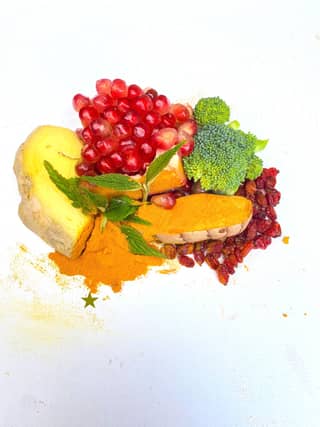

New research published at the World Prostate cancer symposium showed a 42% decrease in prostate-specific antigen levels and an improvement in urinary symptoms among patients receiving a practical nutritional intervention which boosted phytochemical-rich food intake and improved gut health. More men will now be able to avoid the toxicities of surgery or radiotherapy.
New research found that a new phytochemical-rich food supplement slows progression of a marker of prostate cancer called prostate-specific antigen in patients with established prostate cancer, and the addition of a probiotic enhanced this effect. The research was presented at the World's largest prostate cancer conference ASCO 2025, San Francisco.
This landmark study was led by oncologists Professor Robert Thomas, MD, from Addenbrookes and Bedford Cambridge University Hospitals, with experts from Cambridge, London, Southern California and Australia. It included 212 men with prostate cancer who were being managed with surveillance, not receiving androgen deprivation therapy, but had increasing PSA levels at baseline.
All patients received the new, specifically designed phytochemical-rich food supplement that included broccoli, turmeric, pomegranate, green tea, organic ginger, and cranberry extract. They were also randomly assigned to receive a probiotic blend (n=107) or a placebo (n=105). The novel probiotic blend contained 10 billion colony-forming units of 5 non-histamine Lactobacillus probiotics and a prebiotic containing inulin and vitamin D.
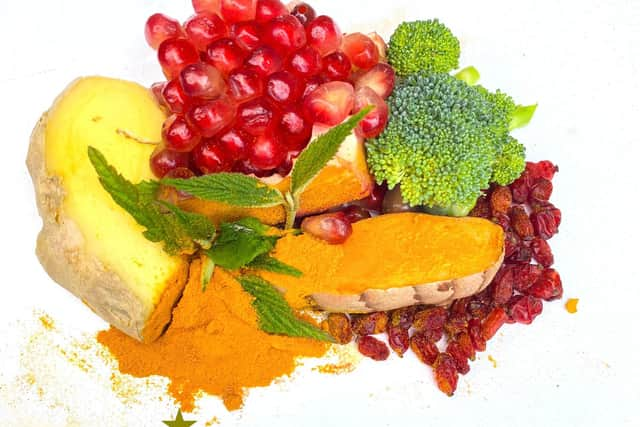
In men randomised to receive the phytochemical-rich supplement on its own (placebo group), the PSA doubling time was 19 months during the 4 months before the study began, and it slowed three fold to 62 months after the start of the trial. This indicated a good response to the phytochemical rich supplement.
In the men randomised to receive both the phytochemical-rich supplement plus the probiotic supplement, there was a highly significant, 42%, decrease in PSA progression after the start of the trial (P <.0001). This meant that, for most men, despite the PSA increasing before the trial, levels actually fell after the combined intervention - Indicating a major further effect of combining the specific probiotic blend to the phytochemicals.
Reassuringly, an analysis of MRI changes, which is ongoing, showed stable disease for most men, although 5 showed disease regression. In the 9 patients who demonstrated progression on MRI they also had PSA progression. This suggested there was no PSA masking effect but a genuine effect on the tumour itself.
Before the trial, the average PSA was doubling over 19 months (PSA doubling time) so men were contemplating leaving active surveillance for hormones, surgery or radiotherapy which have significant side effects. In view of the stabilizing or falling PSA (supported by MRI), only 9 men actually decided to opt for radical treatments (8 in the placebo group and 1 in the probiotic group) after the trial.
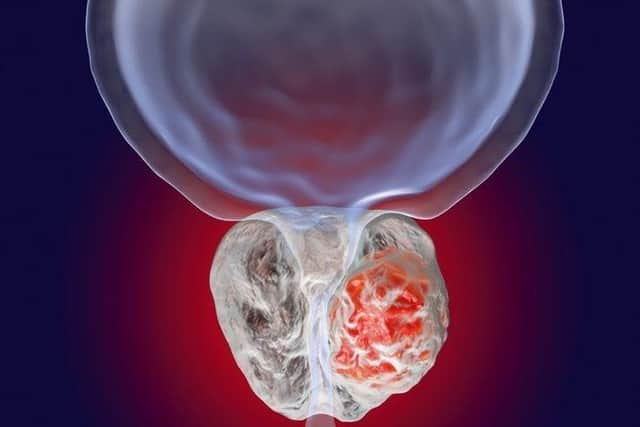
What's more, men in the trial also reported a 25% improvement in urinary symptoms and 11% erectile function significantly improved in both randomized groups from baseline to 4 months, and the researchers believe the phytochemical supplement was responsible for the improvement (P =.01).
The manufacturers of these two new supplement are working on obtaining a traditional herbal medicine status, which means, in the future, they could be potentially prescribed, but that is a long process. In the meantime, the supplements used in this study are currently classed as food, so patients can only be obtained themselves. (The supplements are now known as YourPhyto and Yourgutplus.)