
Nutrition Experts Share Autumn Foods That Fight Seasonal Illness and Boost Mood
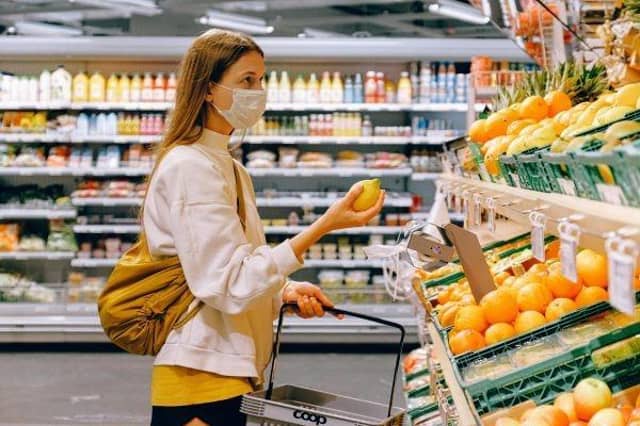

Reports of seasonal illnesses are beginning to surge. Nutrition experts warn that now is the time to turn to autumn’s freshest foods to strengthen your immune system and protect against seasonal affective disorder.
Matt Buff, founder of wellbeing supplement brand Get Dopa, consulted with nutritionists who explained that many people miss out on the most beneficial seasonal produce that could help them feel better as days shorten and viruses spread.
The nutritionists pointed out that while pumpkin gets all the autumn attention, other seasonal vegetables actually contain more compounds that support brain function and immunity.
"When autumn arrives, nature provides the foods our bodies need to support immunity and mood during shorter, cooler days," said registered nutritionist Sarah Osborne. "Pumpkins and sweet potatoes are high in beta-carotene, which converts into vitamin A, necessary for immune defence."
These orange vegetables help maintain healthy mucosal linings in both the gut and respiratory system, creating a natural barrier against seasonal illnesses.
Beetroot was highlighted as a particularly powerful autumn vegetable that many people overlook.
"Beetroot tends to be overlooked as an ingredient for everyday meals, but packs a nutritional punch being rich in folate, manganese and nitrates," noted Lisa Smith, founder of Nutriology. "Folate is needed in the brain for the synthesis of serotonin and dopamine, both of which influence traits such as focus, mood regulation, and impulse control."
The nutritionists explained that as temperatures drop, our bodies naturally crave more comforting foods and this has a biological basis.
"As days shorten and temperatures drop, increased melatonin and decreased serotonin trigger a desire for comforting foods," said Karine Stephan, a nutritionist from Happy Living Nutrition. "We can honour these cravings with nourishing choices, such as hearty lentil stews, roasted root vegetable trays, barley soups, or spiced pumpkin porridge."
Lisa added that as temperatures drop, the body works harder to maintain its core warmth, increasing energy demands and driving up cravings for calorie-dense foods, particularly those rich in fats and carbohydrates.
The experts also stressed the link between gut health and mood becomes particularly important during autumn and winter.
"We now understand that gut health is directly linked to mood. Fibre and phytonutrients from autumn vegetables can help feed beneficial gut bacteria and support serotonin production," Karine said.
She recommended warming soups with beans, carrots, leeks, and fennel as they are gentle on digestion, while fermented foods like sauerkraut, kimchi, or kefir add probiotics to support gut-brain communication.
Matt noted that mushrooms deserve special attention during autumn months.
"Seasonal mushrooms deliver beta-glucans that support immune health and are among the few natural plant sources of vitamin D, especially valuable as daylight hours diminish," he said.
The experts also stressed hydration remains crucial even when temperatures drop.
"Hydration is still super important, even during the cooler months! Warming soups, broths, and herbal teas provide fluids plus minerals, which help support circulation, skin hydration, and cognitive function," Karine explained.
For those wanting an easy way to incorporate more seasonal foods, Buff suggested a simple kitchen tool.
"A jug-style soup maker takes the overwhelm out of meal prep and turns seasonal produce into microbiome-friendly meals with minimal effort," he said. "Twenty-five minutes later, you've got a hearty, nutrient-dense soup that supports your gut, your mood, and your body's natural seasonal rhythm."
Local, seasonal foods were also recommended for their enhanced nutrient content and value for money.
"Local, seasonal foods not only taste much fresher, but also retain higher nutrient levels thanks to shorter storage times and less travel" said Karine. "Seasonal shopping also tends to bring better value, as well as environmental benefits, and it supports our UK farmers."