
Smile back on the agenda: Government unveils 700,000 additional NHS dental appointments


Effort aims to ease pressure on NHS services and address growing concerns over access to urgent dental care across England.
The UK government has announced that an additional 700,000 urgent NHS dental appointments will be made available in England over the coming year, as part of a new dental recovery plan aimed at tackling growing challenges in access to care.
The appointments, which are expected to roll out from April 2025, will be prioritised for people facing dental emergencies and for communities identified as being in areas with limited local access—often referred to as “dental deserts.”
Restoring Services in High-Need Areas
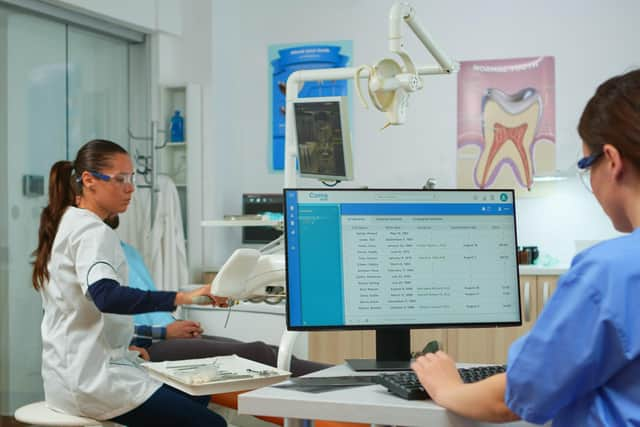
Regions such as Norfolk, Lincolnshire, and parts of Yorkshire have experienced significant reductions in NHS dental availability over recent years. According to data published by NHS England, some of these areas report far fewer NHS dentists per capita compared to the national average.
Speaking on the announcement, Health Secretary Victoria Atkins said:
“We’re putting patients first—this initiative brings vital services to the people and places that need them most.”
The plan is expected to be supported by a broader £200 million investment in NHS dentistry, introduced as part of the government’s wider strategy to reform and expand access to healthcare across the country.
Key Features of the Plan
The 700,000 appointments form part of a wider package that also includes:
- A ‘Smile for Life’ dental prevention programme targeted at young children.
- A payment premium of up to £20 per patient visit to encourage NHS practices to take on more patients.
- Additional training hubs aimed at boosting the dental workforce.
- Trials of mobile clinics and out-of-hours dental services in some areas.
NHS England confirmed that patients will be able to book the new appointments via NHS 111, local access centres, or by referral from GPs, depending on the urgency of their condition.
A Strained System
Access to NHS dental care has been a recurring concern across England in recent years. Public surveys and media reports have documented long waiting lists, closures of dental practices, and rising numbers of individuals turning to private treatment or self-care due to lack of availability.
A 2023 analysis by the British Dental Association (BDA) noted that over 90% of NHS practices were not accepting new adult patients at the time of review. NHS dentistry has been described by several stakeholders as being in need of “fundamental reform.”
While the BDA welcomed the government’s new appointments as a positive intervention, the organisation also highlighted the need for broader structural changes to ensure long-term improvements.
“This is a necessary step in the right direction,” a BDA spokesperson said, “but there are deep-rooted issues in the contract model that also need urgent attention.”
Who Is Expected to Benefit?
The new appointments will focus on urgent dental cases, including untreated infections, severe pain, and emergency extractions or fillings. Children, lower-income individuals, and residents in underserved areas are expected to be the main beneficiaries.
By improving access in these categories, officials hope to reduce the burden on hospital emergency departments and promote earlier treatment, potentially avoiding more complex procedures later on.
Efforts are also being made to support inclusive care delivery, including potential pilots for teledentistry, community outreach services, and multilingual appointment support in certain regions.
Reactions and Outlook
While patient advocacy groups have cautiously welcomed the announcement, many continue to raise concerns about ongoing disparities in access and long-term sustainability.
Several health policy experts have noted that the dental workforce pipeline remains under pressure, and that retention of NHS dentists will be essential for the success of any new initiative.
The government has stated that it will monitor outcomes and feedback closely in 2025 before deciding whether to expand the scheme further.
Public Information
NHS England has indicated that further updates on the rollout—including participating clinics and regions—will be made available on the official NHS.uk website. Patients in need of urgent care are encouraged to continue using NHS 111 or contact local dental services for guidance.
This announcement marks a key development in NHS dental reform, placing public access and care equity at the forefront of national health policy for 2025.
This article is for general informational purposes only. It does not constitute medical or dental advice. For diagnosis or treatment, please consult a qualified healthcare professional.