
Sound expert reveals five everyday activities that could be damaging your hearing
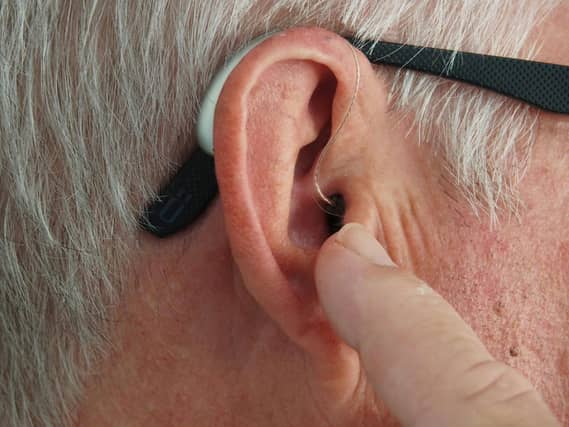

Household appliances such as blenders, hairdryers, and vacuum cleaners generate high decibel levels that can damage hearing. According to the RNID, nearly 18 million people in the UK have hearing loss. It is recommended to limit listening to music at volumes of 60 to 85 decibels to decrease the chances of damage.
Many of our day-to-day activities could have a detrimental effect on our hearing.
Acoustic experts at DECIBEL have shared the day-to-day activities that could be damaging your hearing, while also providing tips on how to reduce exposure to loud noise.
Noise-induced hearing loss refers to continuous loud noises damaging the tiny hairs in the inner ear, which can ultimately lead to the loss of hearing. Prolonged exposure to anything that is 85 decibels or above can significantly increase the chances of hearing loss.
Using household appliances
Every day, noise from common household appliances such as hairdryers, vacuum cleaners, and blenders can all generate high decibel levels that, over time, could damage your hearing.
Hairdryers can be especially damaging as they are used so close to our ears. The average decibels produced by a typical hairdryer is around 80 to 90 decibels, which used consistently over time, can cause damage to our hearing. Consider breaking up the task of drying hair to prevent continuous exposure to the noise or even reduce the number of times you wash your hair each week. Some hairdryers are designed with noise reduction technologies so consider using these functions when drying your hair.
Vacuum cleaners generate around 70 to 85 decibels, and prolonged use can also cause long-term hearing damage. To prevent this, limit the amount of time you spend using a vacuum cleaner, and maintain a distance from the vacuum when using it. Some vacuum cleaners have built in noise reduction features, so try to reduce the volume of noise if you can.
Blenders can potentially reach 100 decibels, which is deemed well above the safe sound threshold. Although blenders aren’t switched on for a long time, prolonged use will lead to damage to the inner ear.
To reduce this risk, wear earplugs or noise-cancelling headphones, and take breaks if you are using the blender repeatedly. If possible, maintain as much distance as you can from the blender.
Using lawn mowers or power tools
Lawn mowers can reach up to 90 dB, while power tools can reach up to 100 dB or sometimes 120 dB. Using any of these tools for a minimum of 15 minutes can cause hearing damage.
Tips to reduce hearing damage when using a lawn mower or other power tools
- Use ear protection, such as noise-cancelling headphones or earplugs.
- Take breaks to reduce the exposure of noise to your ears.
Listening to music too loudly without breaks
For many of us, listening to music is part of our daily lives. Commuting to work, at the gym, and going on a walk are just some of the daily activities where we put on our headphones and switch off from the outside world.
You may not feel this may be harmful, but prolonged use of wearing headphones can cause permanent damage as the soundwaves from the headphones are delivered directly into the ear canal, damaging the hair cells in the inner ear. Listening to music that is 85 decibels and over, repeatedly and over a long period of time will gradually cause noise induced hearing loss.
Exposure to loud music can also cause neurophysiological damage by changing the nerve fibres that transmit signals from the inner ear to the brain, ultimately affecting hearing perception. Loud sounds, such as music, can also cause tinnitus, a ringing or buzzing sound that comes from your ears rather than an outside source.
Tips to reduce hearing damage when listening to music
- Try reducing the volume of music, especially if listening using headphones.
- Take breaks from exposure to loud music. Regular breaks of five minutes every hour to give your ears a rest.
- Use a volume limiter on your phone or device. Your phone may warn you that you have gone over the ‘safe’ volume level, so it is a good idea to pay attention to this.
- Use noise-cancelling headphones. These will block out background noise so that you won’t have to turn your music up.
Tips to reduce hearing damage when attending music events
- Take earplugs with you when at a concert or on a night out. These won’t muffle the sound but will reduce the volume of the music to a safer level.
- Stay away from the speakers at a concert or club.
- Take breaks from loud areas. If you are in a club, try and find the quieter zones or get some fresh air to reduce exposure to loud music.
Musicians are more likely to develop NIHL, so it is important to attend regular hearing screenings to monitor any damage to the ears.
Driving at high speeds with the windows down
Prolongeddriving at high speeds with the windows down can cause hearing damage over time. Noise from the engine, wind, and traffic can all reach 89dB and higher, significantly increasing the chances of hearing damage.
Tips to reduce hearing damage when driving with the windows down
- Take breaks from driving if you are on a long journey and alternate between windows up and down.
- Keep the windows up when in heavy traffic to minimise noise from car engines, sounds of car horns, and music from other vehicles.
- Don’t try and drown out the sounds of traffic with even louder music, as this will potentially cause even more damage.
- If you ride a motorcycle or bicycle, invest in a helmet designed to reduce traffic noise.
Cleaning your ears with cotton buds
Using cotton buds to clean your ears can potentially cause significant damage to your ear canal or eardrum. Cotton buds can have an adverse effect and push earwax further down the ear canal, causing a blockage that may affect hearing.
Using cotton buds can also cause damage to the ear canal, which is very sensitive. This damage can cause infections, as well as puncturing the eardrum, which can cause hearing loss.
Earwax is vital to the function of our ears by keeping our ears lubricated and keeping bacteria out of them. In most cases, our ears will naturally maintain earwax, but if you feel as though your ears are blocked or you’re experiencing pain, then you may need professional help to remove the earwax safely.
Tsvetan Nedkov, Acoustic Engineer and Founder of DECIBEL, commented,
“With the RNID reporting that nearly 18 million people in the UK suffer from some form of hearing loss, it is especially important we understand the risk of exposure to loud noises, and the importance of protecting our ears from damage.
“Making small changes to the way we manage prolonged noise exposure can also have a huge positive impact on our long-term hearing health.”