
The exact temperature to avoid exercising outside revealed by fitness expert
As areas of the UK are hit with snow and -7C temperatures, fitness experts at Exersci revealed the exact temperature to stop exercising outside to avoid serious health conditions like hypothermia - and it’s -10C.
40% of Brits exercise outside, according to a Kantar survey, with 6.2 million people opting to jog, but prolonged exposure to the cold can weaken your immune system; There were 4,950 excess winter deaths last year due to the cold.
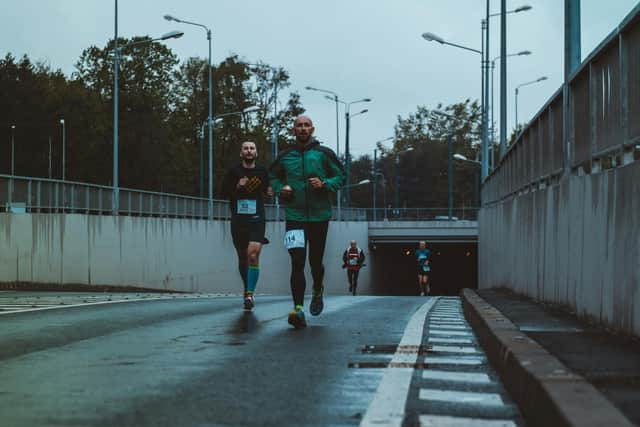

To help Brits maintain their health, Gavin Cowper, fitness expert and owner of Exersci, has shared why you should avoid exercising in -10C weather and how to exercise in cold weather safely:
When is it too cold to work out outside?
“If the temperature drops to -10 C or lower, it is best to avoid exercising outdoors, especially if there’s wind chill. Extremely low temperatures cause your lungs to strain, making you more likely to cough, wheeze or create tightness in your chest during outdoor activities.
For those with heart conditions, it is especially important to stay inside during these temperatures. Cold weather strains the heart, making it harder to maintain circulation which raises the blood pressure. Heart failure has been linked as a leading cause of death related to hypothermia.”
What cold weather risks to watch out for?:
- Frostbite: Frostbite occurs when the skin and underlying tissues are damaged due to exposure to freezing temperatures, often affecting the extremities like fingers and toes. These will become numb as the blood flow to these areas is being redirected to protect vital organs. If you notice white patches on your skin, move indoors immediately. Frostbite is a serious issue, so it’s important to seek medical attention if you believe you’re being affected.
- Hypothermia: “Hypothermia occurs when your body loses more heat than it can generate and the body temperature falls below 35C. It is a life-threatening condition, and common symptoms include shivering, slurred speech, slow breathing, and slow cognitive function. If you or someone else experiences these symptoms or other unusual signs, it's important to seek medical attention immediately.”
- Dehydration: “Exercising in cold weather poses the same risk of dehydration as exercising in hot conditions, but people often don’t feel as thirsty. In reality, cold temperatures can reduce thirst by up to 40%. When you inhale cold, dry air, your body warms and moistens it. The visible vapor you exhale is actually a sign of fluid loss. Fluids lost during exercise like sweat can also contribute to dehydration, although this can be less noticeable under winter layers than in the summer”
How to exercise safely in cold weather
- Warm up first: “Cold weather can cause your muscles and joints to tighten. To combat this, warm up first for 10 minutes. This can be as simple as walking, doing jumping jacks, squats or lunges. After warming up, gently stretch your muscles to keep them loose.”
- Cover up: “It is essential to layer up and cover any exposed areas, specifically small body parts like the nose, ears, fingers and toes. Choose winter workout clothing in particular as these have thermal insulation, sweat-wicking fabric, and materials that are windproof and water-resistant.”
- Don’t get too sweaty: “In very cold weather, don’t exercise so intensely that you sweat heavily. Sweating accelerates heat loss as the moisture evaporates and leaves you feeling even colder. Instead, focus on staying dry and making sure your workout does not cause excessive sweating.”
- Stay hydrated: “As the risk of dehydration increases when working out in cold weather, it is especially important to remain hydrated. Drink one cup of water before heading outside for your workout to get ahead on hydration, and for every hour of physical activity in the cold, the body needs 16 ounces of water.”
- Avoid caffeine: “Caffeine can accelerate heat loss and tighten your blood vessels, making it more difficult for your heart to pump blood efficiently. Instead, focus on staying hydrated with hot beverages like warm milk or herbal tea to help maintain your core temperature.”