
This Is Why Muscle Loss Could Be a Red Flag for Dementia
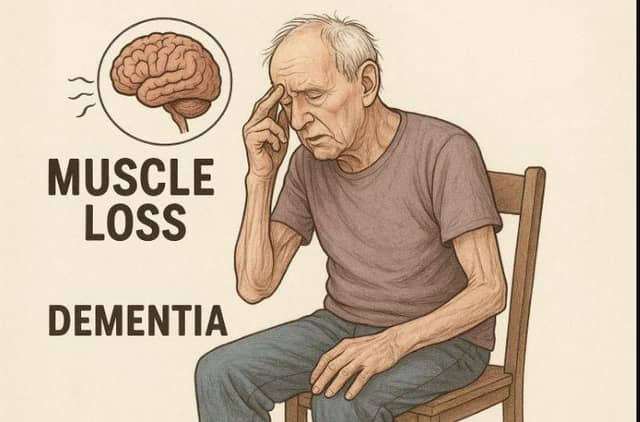

Individuals think muscle loss is just another part of getting older, something that happens naturally with age. But what if that gradual loss of strength was actually a sign of something more serious?
Individuals think muscle loss is just another part of getting older, something that happens naturally with age. But what if that gradual loss of strength was actually a sign of something more serious? New studies suggest that losing muscle, especially in older adults, may be closely tied to declining brain health and even dementia.
The connection between the body and the brain is often overlooked, but it's high time to realize it. This article breaks down sarcopenia, which can be an early red flag for cognitive decline.
What is Sarcopenia?
Sarcopenia, aka age-associated muscle wasting, can increase the developing dementia risk for the aged. According to the Office on Women's Health, the body loses 3-5% muscle mass after the age of 30.
Why Muscle Loss Matters For Seniors? The Early Signs
Losing muscle mass is easy to believe is a natural part of aging, a process that occurs and cannot be prevented. However, the fact is that muscle loss dementia has many more implications than strength in feeling. Here’s why it really matters:
It Makes Life Difficult on a Daily Basis
Difficulty lifting groceries, getting out of a chair, or going on a long walk. That’s muscle loss and this may ruin the pleasure of daily life.
There are More Chances of You Falling
It is especially a problem among the older people in a senior care center, where fall prevention is an issue. Working out to maintain healthy muscles is not just beneficial in terms of improving balance, it is also likely to reduce the chances of falls.
You lose your Independence
When simple tasks become hard to do due to low strength, seniors have to rely on others. This loss of independence can be frustrating and exhausting in the end, particularly when a person needs special care associated with dementia.
Your Body Goes in Slow Motion
Muscle maintains your body in a state of activity. When you lack sufficient amounts of it, you will tire faster and take longer to recover after you get sick or get injured.
It Can Affect Your Weight and Health
Fewer muscles imply a sluggish metabolism. That can complicate weight control and pose a larger risk of developing such conditions as diabetes and heart disease.
It Could Be a Clue About Brain Health
It is hard to believe, but muscle loss is associated with memory and cognitive ability loss. This could also be among the earliest manifestations that your brain requires some special care.
How to Protect Muscle and Brain Health?
Fortunately, loss of muscle and brain functions is not an inevitable part of growing old that you can’t improve. A balanced lifestyle and proper habits enable you to remain strong in mind and body, even in old age. With the right support from assisted living and memory care facilities, the senior years can be even more fun and comfortable. Let's check out some tips to protect muscle and brain health as we age!
- Work out to make your muscles and brain active. It could be light yoga or morning walks.
- Consume high quality balanced diet with sufficient protein, carbs, healthy fats, fibres etc. You can also add supplements when advised by the physician.
- Ensure that you sleep between 6-8 hours a day. It will increase your recovery speed and enhance physical & mental well-being.
- Reduce the stress by using relaxation methods to safeguard your mind.
- Acquire new skills and develop your mind with some new education or puzzles.
- Drink plenty of water to stay hydrated. Quit bad habits such as smoking, drinking, etc, as quickly as possible.
- Get some fresh air and sunlight through outdoor activities.
- Mindfulness practices or meditation would assist in the ability to concentrate and emotional consistency.
Can Good Muscle Health Improve Seniors’ Cognitive Health?
Yes, increased muscle health does contribute to the improvement of brain health, especially among elderly people. This is a crucial part of elderly care. Here’s how:
- Brain Function: This can be achieved through strength-based workouts. Studies indicated that enhanced cognitive skills are associated with enhanced muscle strength.
- Lower Dementia Risk: Dementia and Alzheimer's disease are reduced by regular exercise.
- Brain-Boosting Hormones: Resistance training can promote the release of hormones that are healthy for the brain.
- Overall Well-being: Stronger muscles increase balance, stability, and physical wellness. This will leave a positive impact on cognition.
Conclusion
In conclusion, muscular loss among older adults is not a usual process of aging. It may also be telling of the bigger situation, such as cognitive decline and even dementia. Muscle loss dementia can also worsen independence, make activities of everyday living more difficult, and lead to falls. The best part is that as you take care of your muscles, you can take care of your brain as well.
Some easy steps to maintaining a healthy body and brain in the senior years include exercising, eating healthily, sleeping, and exercising the brain. Treating muscle wastage early enough can contribute a lot in the long term.