
UK's first RSV vaccination rollout announced for infants & older adults, what is Respiratory Syncytial Virus?

The UK is set to become the first country in the world to launch a national vaccination programme using the same vaccine to protect both infants and older adults from deadly Respiratory Syncytial Virus (RSV), aimed at easing winter pressures on the NHS.
The UK Health Security Agency (UKHSA) said RSV is responsible for about 30,000 hospitalisations in children under five each year, causing 20 to 30 infant deaths. It also leads to around 9,000 hospital admissions in those over 75. The RSV vaccination programme is expected to free up thousands of hospital beds and help prevent hundreds of deaths annually.
The vaccination rollout, starting on September 1 in England, will include a vaccine for pregnant women over 28 weeks to protect their newborn babies, a routine programme for those over 75, and a one-off campaign for individuals aged 75 to 79. These groups are identified as the most at risk from RSV, based on advice from the Joint Committee on Vaccination and Immunisation.
Wales and Northern Ireland will also start their programmes in September, while Scotland will begin its rollout on August 12.
Minister for Public Health and Prevention, Andrew Gwynne, said: “As someone who has seen the devastating effects of RSV firsthand. I am thrilled to see the UK leading in the way in tackling this devastating disease. My own grandson contracted RSV when he was just days old, leading to weeks in intensive care, and a lifelong impact on his health. I don’t want anyone to go through what he went through.
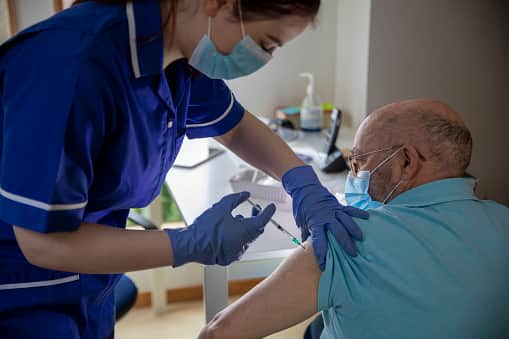

“Not only will this vaccine save lives and protect the most vulnerable, it will help ease pressure on our broken NHS, freeing up thousands of hospital beds as we head into winter. People aged 75-79 years old on 1 September 2024 will be invited to receive their RSV vaccination with their GP, and those turning 75 after this date will also receive an invitation from their GP once eligible.
“Women that are at least 28 weeks pregnant should speak to their maternity service or GP surgery to get the vaccine to protect their baby. These vaccination programmes will save lives and significantly reduce the burden on the NHS during the challenging winter months.”
Steve Russell, NHS national director for vaccinations and screening, said: “RSV is a very serious illness, infecting up to 90% of children by the age of two and causing thousands of babies and older people to spend time in hospital over winter – so this rollout is a huge step forward and will undoubtedly save the lives of many of those most at risk.
“We strongly encourage those aged 75 to 79 to come forward for their vaccine when they are invited from September and for women who are 28 or more weeks pregnant to speak to their maternity service or GP surgery to ensure their baby is protected.”
Professor Jenny Harries, UKHSA chief executive, said: “This new vaccine offers huge opportunities to prevent severe illness in those most vulnerable to RSV, helping to protect lives and ease winter pressures for the NHS. UKHSA has provided critical scientific information to evidence the benefits of a national RSV immunisation programme and so the rollout of the vaccine is a truly positive moment for the public’s health.
“Having successfully procured an effective vaccine and designed a programme to protect both babies and older people, we are already working rapidly with our NHS and Local Authority colleagues to be ready to provide vaccinations from September – please do come forward if you are eligible.”
What is Respiratory Syncytial Virus (RSV)?
Despite infecting around 90% of children within the first two years of life, RSV is relatively unknown among the public. It typically causes mild, cold-like symptoms. However, it can lead to severe lung infections like pneumonia and infant bronchiolitis and is a leading cause of infant mortality globally.
RSV can spread through coughs and sneezes. You can help to prevent the spread of the virus by covering your mouth and nose when you cough or sneeze (ideally with a tissue, or else into the bend of your elbow), and you can wash your hands with warm soapy water frequently to kill the germs.
If you have symptoms that could be RSV you should try and avoid young babies. It is perfectly okay for parents to ask people with colds to keep away from newborn babies, particularly in the first few months, and for babies born prematurely. Even with these measures it can be difficult to avoid RSV infection.