
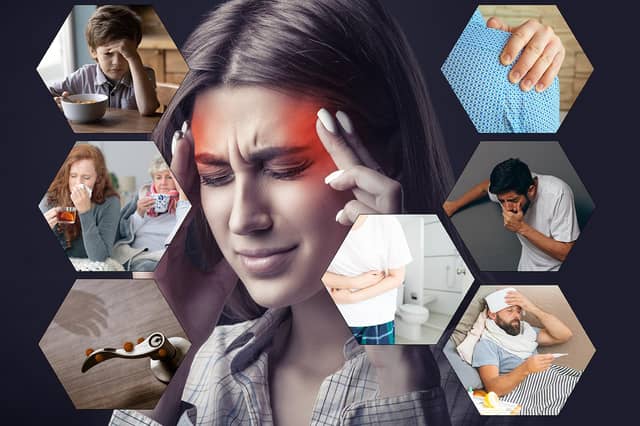


Public health chiefs are urging people to take precautions to limit the spread of the highly contagious norovirus following a rise in cases.
The UK Health Security Agency (UKHSA) said outbreaks of the winter vomiting bug have been increasing now that people are socialising more as coronavirus restrictions have eased.
An increase in cases have been reported in nurseries and care homes in England, with the UKHSA warning that “unusual or out-of-season increases” could be seen in the coming months.
People are being advised to stay at home and avoid visiting elderly relatives if they have symptoms.
The bug is highly infectious and can be easily transmitted through contact with infected individuals or contaminated surfaces.
It can also be spread by eating food that has been prepared or handled by someone with the virus.
Professor Saheer Gharbia, from the gastrointestinal pathogens and food safety directorate, UKHSA, said: “Norovirus, commonly known as the winter vomiting bug, has been at lower levels than normal throughout the pandemic but as people have begun to mix more, the numbers of outbreaks have started to increase again.
“Stay at home if you are experiencing norovirus symptoms and do not return to work or send children to school or nursery until 48 hours after symptoms have cleared.
“Please avoid visiting elderly relatives if you are unwell – particularly if they are in a care home or hospital.
“As with Covid-19 and other infectious illnesses, hand washing is really important to help stop the spread of this bug, but remember, unlike for Covid-19 alcohol, gels do not kill off norovirus so soap and water is best.”
Read more:
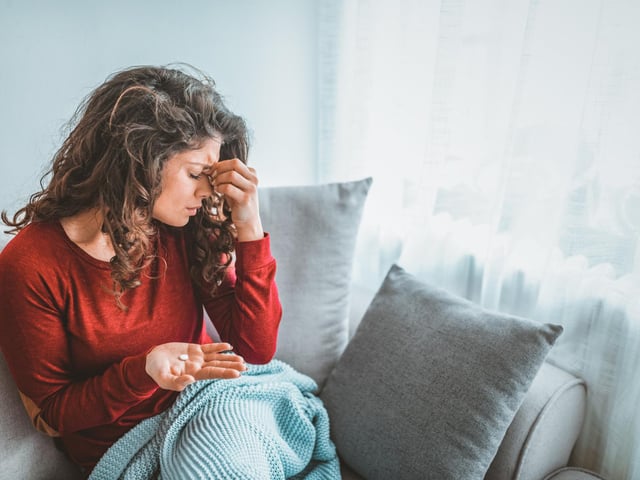
5. Headache
Headaches can occur for a variety of different reasons, but it can be a symptom of the vomiting bug. It will usually pass on its own, but drinking lots of water and taking paracetamol can help. Photo: Shutterstock
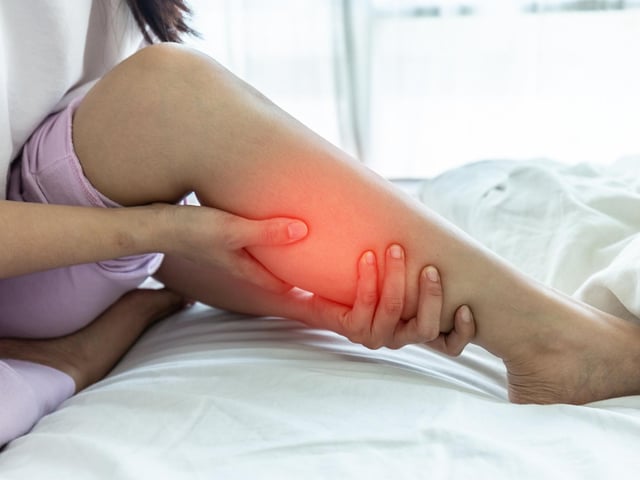
6. Aching arms and legs
Your arms and legs may ache and feel heavy, much like how you can feel if you fall ill with the flu. Getting plenty of rest should help to relieve symptoms, along with some gentle exercise, such as walking. Photo: Shutterstock
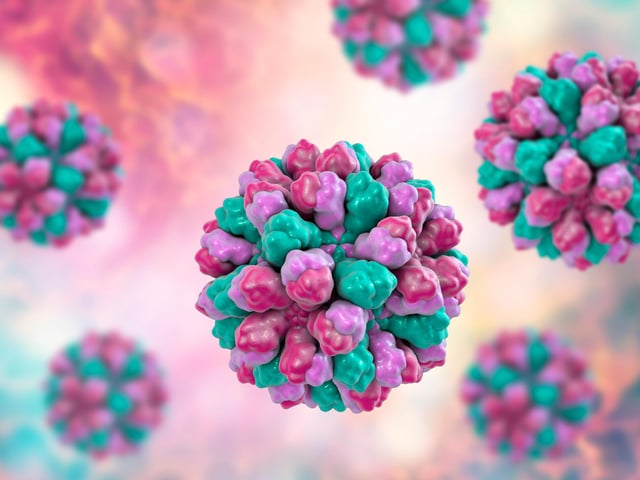
7. Incubation period
Norovirus symptoms usually occur quite suddenly within 24 to 48 hours after contracting the bug, although they can appear as early as 12 hours after exposure in some cases. Photo: Shutterstock

8. Close contact
Much like Covid-19, norovirus is easily spread through close contact with someone who has been infected. If you have symptoms, you should keep away from others until you feel better to avoid further spread. Photo: TOLGA AKMEN