
Why staying social matters for your brain health in later years
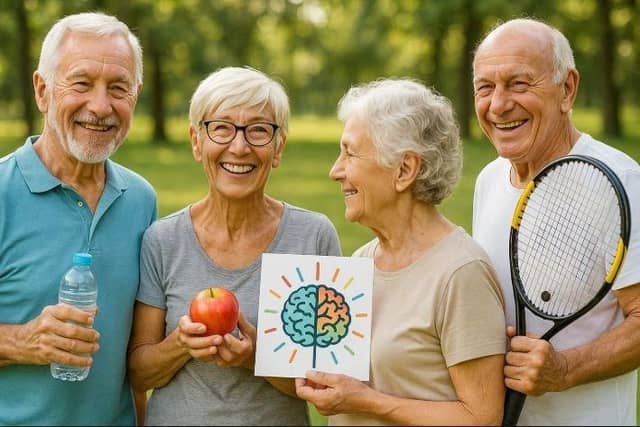

The power of human connection is stronger than most of you would ever realize. Its absence leads to problems in your mind and your body. Therefore, remaining social is one of the best methods to keep your mind clear and mood joyful.
The power of human connection is stronger than most of you would ever realize. Its absence leads to problems in your mind and your body. Therefore, remaining social is one of the best methods to keep your mind clear and mood joyful.
And the best part is that it doesn't even require much to be social. A phone call, a shared meal, or a walk with a neighbor is all it takes. These little moments feed your brain and make you feel alive, especially as you age.
Let's take a closer look at this article and learn why social connections matter so much for your brain health as you age. We'll find out together.
Link Between Social Interaction and Brain Health
Any time you interact with a person, your brain is exercising. It helps you to think, react, remember, and feel, which are vital brain processes. Thus, whenever you talk with others, your brain:
- Processes language
- Remembers shared experiences
- Responds with empathy and emotion
- Focuses on conversation
- Solves problems and interprets social cues
Such day-to-day activities keep your brain active. Just like walking makes your legs healthy, socialization makes your mind sharp. It also safeguards you against severe issues such as depression and mental decline. Therefore, not only does being social feel good, but it is also one of the most natural brain care strategies.
Risks of Social Isolation in Older Adults
Seniors are at a greater risk of developing cognitive disorders whenever they lose their social contact. Isolation and loneliness harm the brain and increase the likelihood of Dementia and other memory issues in seniors. Therefore, every time you neglect brain health, the risk of Dementia, including those classified under Alzheimer's Dementia ICD 10 increases.
Whenever you see any symptoms of forgetfulness or confusion on a regular basis in yourself or a loved one, it is wise to go and get examined immediately. The sooner you get diagnosed with a disorder, the better will be the chances to get your symptoms managed and make informed decisions about the future.
How Does Being Social Improve Your Brain Health?
Your brain wasn't made to think only. However, it was built to bond and form connections. Each interaction you engage in with your family or friends keeps your mind energized. Be it sharing a tale with a friend or laughing with them, such moments provide little sparks that keep your brain healthy.
Check out the benefits below and see how simple social habits can make a big difference.
Stronger Memory
Discussing the day or sharing plans with your friends and family makes your brain remember facts. These small conversations give your brain a workout. They make it easier to recall things. The more you exercise your memory, the clearer and more alert it remains.
Less Stress
It makes you feel secure and comfortable, especially being around people who love you. This lowers stress-related hormones like cortisol. When you experience too much stress, it damages your brain and makes it difficult for you to recall things. That is why being relaxed is a way to maintain a clear and sharp mind.
Clearer Thinking
Your brain is in action when you join groups or engage in discussions. You listen, comprehend, react, and even find solutions instantaneously. This mental workout helps you to focus, think better, and keep your mind alert.
More Confidence
Socialization implies visibility and appreciation by others. The feeling of being heard and visible is positive feedback to your self-esteem. It makes you believe in yourself and motivates you to be active and involved in life. This confidence results in more positive social interactions, which is a happy cycle.
Better Mood
Laughing, doing good, and spending time with others release happy chemicals in your brain. It makes you feel good and helps you to maintain brain health and emotional well-being. Thus, you connect with others and create a happy rhythm in your life.
Practical Ways for Seniors to Stay Socially Connected
You don't need to be the center of attention to enjoy these benefits. Even small, everyday moments count. Here are some easy ways to stay connected and keep your social life active:
- Call or video chat with family and friends regularly. Even quick chats help keep your relationships strong.
- Join a local club or senior center, like a book club, gardening group, or craft class, and meet new people.
- Go to community events like church gatherings or neighborhood potlucks and connect face-to-face with people.
- Help others through volunteering and build new friendships to give your life more meaning.
- Spend time outside your home, like taking a walk in the park, visiting a café, or having conversations with your neighbors.
Building a Brain-Healthy Life
Socializing is just one part of keeping your brain healthy. Eating well, getting enough sleep, staying active, and handling stress all matter too, and connections often tie it all together.
A friend might remind you to go for a walk. A lunch date can encourage you to eat something nourishing. A neighbor might notice if you're not quite yourself. These small moments of care help keep your whole health on track. However, despite the best efforts, if memory problems grow more serious, consider memory care for you or your loved ones. The memory care facilities provide a supportive environment for comfortable living. Moreover, it offers structured activities to keep you socially engaged and mentally stimulated.
Wrapping Up: Social Connection, a Healthy Brain Key!
Staying social matters more than ever. It keeps your brain sharp, lowers stress, brightens your mood, and helps you feel confident and alive. Most of all, it fills your days with joy. If you notice memory changes, get yourself tested earlier with Dementia ICD guidelines to get the right care sooner. Moreover, you can try building a friend circle to stay connected. Every chat, smile, and connection makes a difference. Human connection strengthens your mind and heart.