


Several changes to driving laws will come into force across the UK this year which motorists need to be aware of.
A shake-up to the Highway Code has already been rolled out, which saw changes made to improve the safety of cyclists, horse-riders and pedestrians.
Drivers are now legally required to treat these road users with more consideration when overtaking, with cyclists and pedestrians now given priority at certain junctions.
Upcoming changes will see more Clean Air Zones be introduced around the UK, meaning some drivers will face a charge for entering certain towns and cities, while Vehicle Excise Duty is due to go up in the coming months.
Listed are eight upcoming changes all motorists need to know.
Read more:
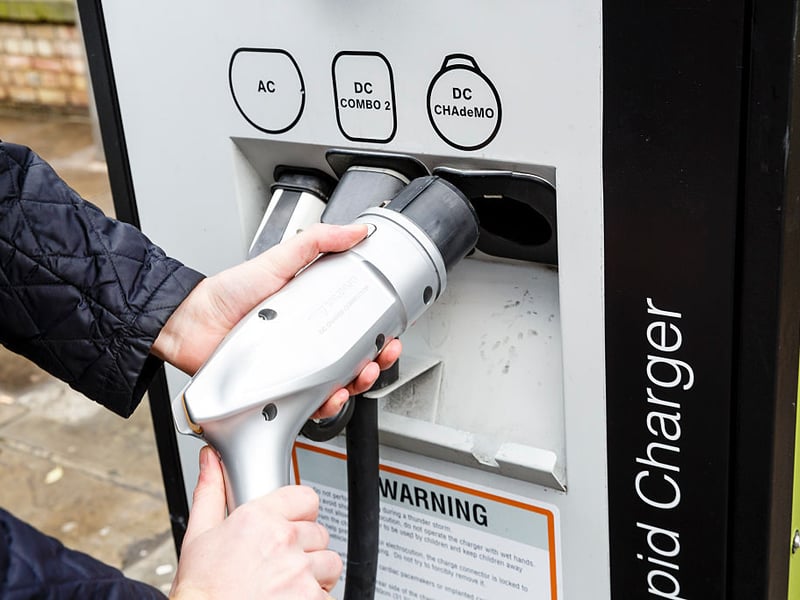
5. New build properties must have EV charging points
All new properties built in England this year will be required to have an EV charging point installed. This includes both housing and commercial buildings. | Getty Images
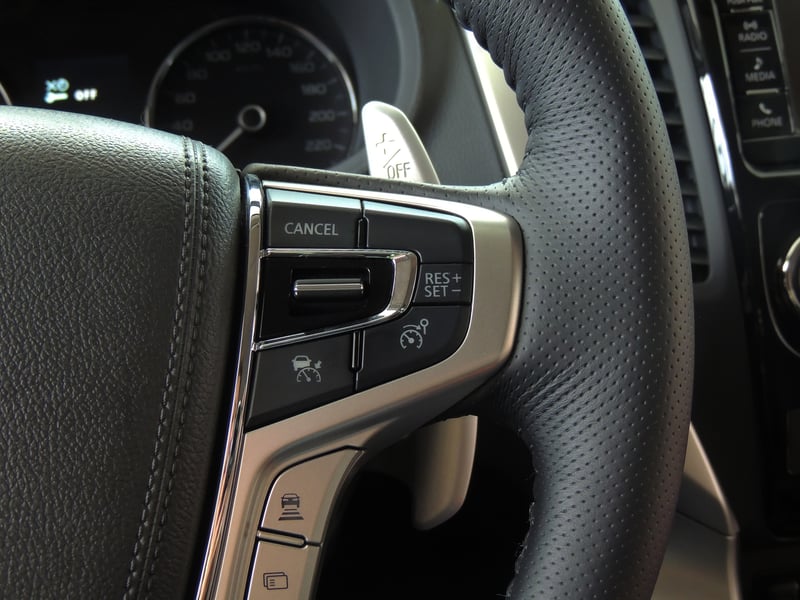
6. New cars will feature speed limiters
All new cars will be fitted with speed limiters from 6 July as part of efforts to improve road safety. The Intelligent Speed Assistance (ISA) black boxes will use GPS to determine what the speed limit is on a road and will ensure the car doesn’t breach it. ISAs will be mandatory for all new models given 'type approval', meaning any new car brought to market from 6 July, rather than new cars already in production. | AnyVIDStudio - stock.adobe.com
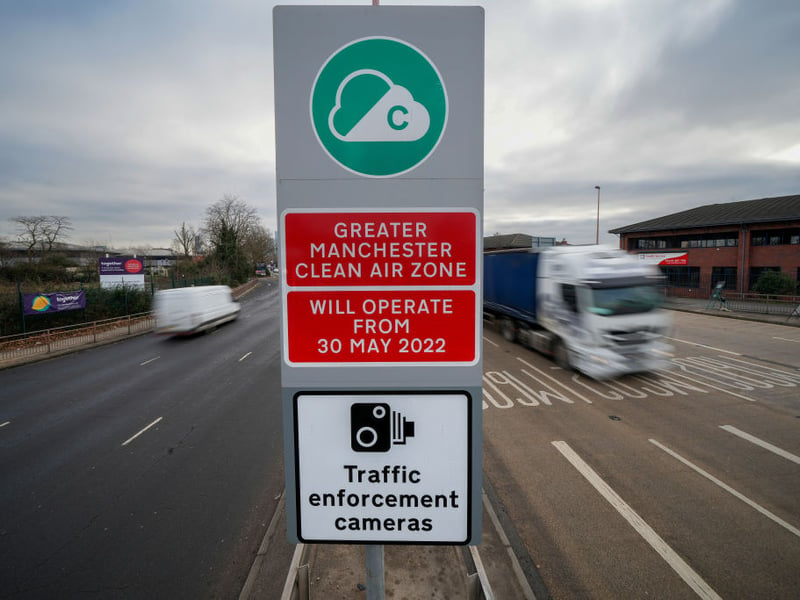
7. Further Clean Air Zone charges
Local Clean Air Zone charges will be expanded to cover more cities and towns. The Greater Manchester Clean Air Zone will start on 30 May, but will only apply to drivers of buses, coaches, taxis, HGVs, PHVs and LGVs. In June, drivers of older cars in Birmingham will face an £8 charge to enter the city centre. Newcastle, Sheffield and Bristol will implement a similar policy to Manchester in July, but will not charge car drivers, and a date for the Bradford Clean Air Zone is yet to be confirmed. | Getty Images
8. Benefit in Kind rates to rise
Benefit in Kind rates will rise by 1% from April, meaning electric cars and other vehicles producing under 50g of CO2 per km will pay 2% charges instead of 1%. All other vehicles will pay 1% more, regardless of their CO2 levels. Vehicles that produce more than 156g per km will be exempt from this, with the rate set to remain at 37%. | byswat - stock.adobe.com