
7 surprising signs to look out for at mealtimes with your baby
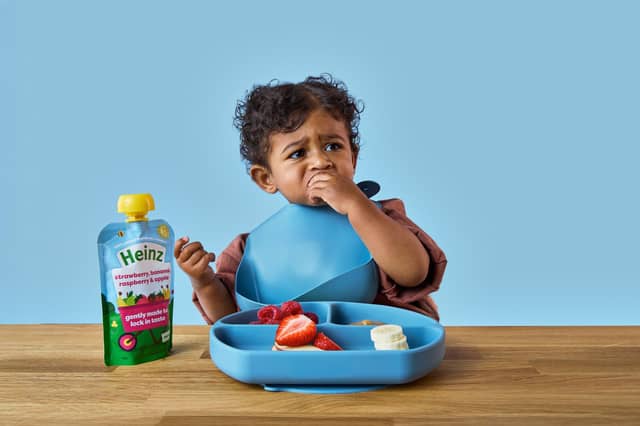

Everything we thought we knew about babies’ facial expressions could be wrong – that’s according to new findings from Clinical Psychologist Dr Angharad Rudkin, who has worked with Heinz to decode how babies ‘talk’ at the dinner table in a bid to bring joy back to mealtimes.
Did you know frowning, playing with and spitting out food could all be positive signs to look out for – not negative?
The findings come as new research from Heinz reveals that nearly half of UK parents (45%) struggle to interpret their baby’s mealtime cues, meaning what should be a joyful bonding experience is often a stressful guessing game.
Indeed, a similar amount (48%) also say their mealtimes would be more enjoyable if they could better understand what their babies are trying to communicate to them. And that’s why Heinz is stepping up.
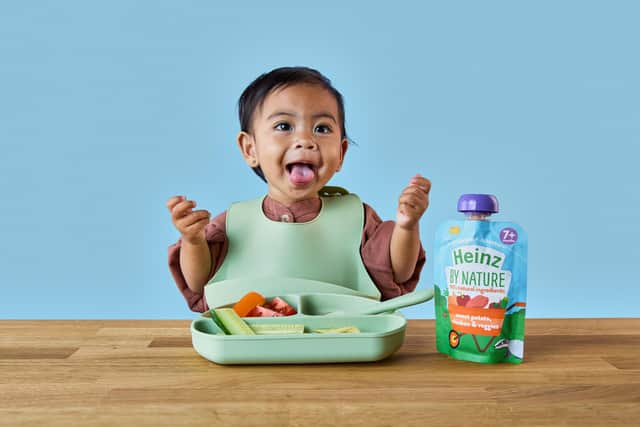
On a mission to build parents’ confidence, reduce stress, and turn every bite into a positive bonding experience, Heinz has partnered with renowned Clinical Child Psychologist, Dr. Angharad Rudkin, to uncover the hidden meaning behind babies’ reactions - transforming mealtimes from a mystery into a moment of joy and connection.
“Babies are natural communicators,” said Dr Rudkin, who has worked with children and families for over 20 years. “From their first smiles to their most exaggerated frowns, they are constantly sharing how they feel - we just need to learn how to listen.”
- Frowning: “While adults often associate frowning with dislike, for babies, it’s more about discovery and experiencing something new. A furrowed brow often signals that they’re processing a new flavour or texture - not rejecting it outright. Keep offering that food with encouragement and patience.”
- Eye Contact: “Babies look to us, quite literally, for reassurance, locking eyes with us especially when encountering something unfamiliar. Eye contact helps them gauge our approval. As parents and caregivers, being attentive, present, enthusiastic, and supportive during these moments gives them the confidence to explore.”
- Lip-Smacking: “Here’s an adorable sign of approval to watch for - lip-smacking! For babies, eating is a whole new sensory adventure, and they want to explore every taste and texture with their entire mouth, from their lips to their gums and tongue.”
- Clenched fists: “Clenched fists are a sign of tension. This is usually to do with discomfort leading to a build up of tension in the body. It can sometimes be to do with excitement - but for this to be the case it would need to be accompanied by open eyes and excited facial expression. So on the whole, it is to do with displeasure.”
- Arms flailing: “This is usually a sign of discomfort, and is generally accompanied by crying, shouting, screaming or a very sad face. It's almost like the baby is trying to rid themselves of something unpleasant by moving their arms in this way. But this is not to be mixed up with hand waving which can often be a sign of happiness and excitement rather than sadness.”
- Sticking Out Tongue: “When babies lick, suck, or stick out their tongue, it’s often a playful signal of curiosity and openness to new experiences. If they seem relaxed and content, it’s a great sign that they’re enjoying themselves.”
- Spitting Out or Dribbling: “Spitting out food might seem like rejection, but it’s often part of how babies explore new textures and sensations. Sometimes, they’ll even put the food back in their mouths and play around with their hands, and as messy as that might seem to us adults, these are all good signs, so embrace the mess. And dribbling happens when we have an abundance of saliva in our mouths, and that is usually because we’re really enjoying a taste.”Almudena Rein, Heinz of Heinz First Foods, said: “What might seem like food rejection, such as frowning or spitting, is often a sign of curiosity or exploration. By recognising these signals, parents can respond with confidence, creating positive and enjoyable mealtime experiences for both them and their little ones.”