
Deadly bacteria in bathrooms of thousands of UK homes can be killed with 35p product
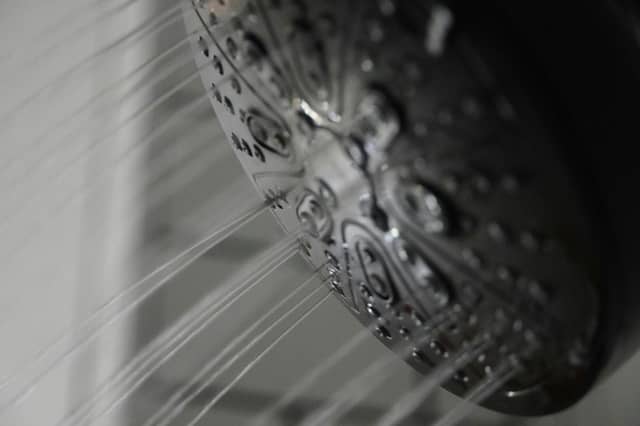

A bathroom specialist has warned that shower heads in UK homes could be harbouring potentially deadly bacteria that puts families at risk each day.
John Horner, Managing Director of luxury bathroom retailer 34 Stjohn, said regular cleaning of shower heads is something people often forget to do but is vital to prevent the build-up of legionella bacteria, which can cause a serious form of pneumonia.
The expert explained that most people clean their bathrooms regularly but completely overlook shower heads, creating ideal conditions for harmful bacteria to multiply undetected.
Check your shower head regularly
"Many people scrub their bathrooms weekly but completely forget about their shower heads," Horner said. "A grimy shower head isn't just unsightly - it could be harboring dangerous bacteria that gets sprayed directly onto your face and body."
He added that visible limescale often signals bacterial buildup beneath. "What looks like harmless mineral deposits can actually hide colonies of harmful bacteria."
Simple vinegar solution is highly effective
"You don't need expensive cleaning products to tackle this problem," Horner explained. "A simple solution of equal parts white vinegar and water can break down mineral deposits where bacteria hide."
The bathroom expert recommends unscrewing your shower head and soaking it overnight in this solution. "After soaking, give it a good scrub with an old toothbrush to remove any stubborn deposits, then rinse thoroughly before reattaching."
Pay special attention to guest bathrooms
Horner pointed out that guest bathrooms or infrequently used showers pose particular risks.
"Shower heads that aren't used regularly become perfect breeding grounds for bacteria because water sits stagnant in the pipes and head," he said. "If you have showers that aren't used weekly, run them for a few minutes to flush out the system."
Water temperature matters
"Many people don't realise that bacteria thrive at specific temperatures," Horner explained. "Keeping your hot water storage at 60°C and your cold water below 20°C helps prevent legionella growth."
According to HSE guidance, legionella bacteria multiply where temperatures are between 20-45°C and nutrients are available. The bacteria become dormant below 20°C and do not survive above 60°C.
The HSE notes that anyone can develop Legionnaires' disease, but the elderly, smokers, alcoholics and those with cancer, diabetes or chronic respiratory conditions are at higher risk.
Consider upgrading your shower head
Horner said modern shower designs can help mitigate these risks. "Many luxury shower heads now incorporate anti-microbial materials or self-cleaning functions that reduce bacterial growth," he said.
"But regardless of how expensive your shower is, regular maintenance is still essential."
HSE advice states that shower heads should be cleaned and descaled at least quarterly. This is because showers create and disperse water droplets which may be inhaled, causing a risk of exposure to legionella.
Horner stressed that while the risk is relatively low in most homes, the consequences can be serious.
"Legionnaires' disease can be very dangerous for vulnerable people, which is why prevention is so important," he said. "Taking five minutes to clean your shower head could protect your family's health."
For households with multiple bathrooms, HSE guidance recommends that infrequently used outlets should be flushed out regularly to prevent water stagnation, which favors legionella growth.