
Expert dispels some myths about the nation’s favourite garden bird
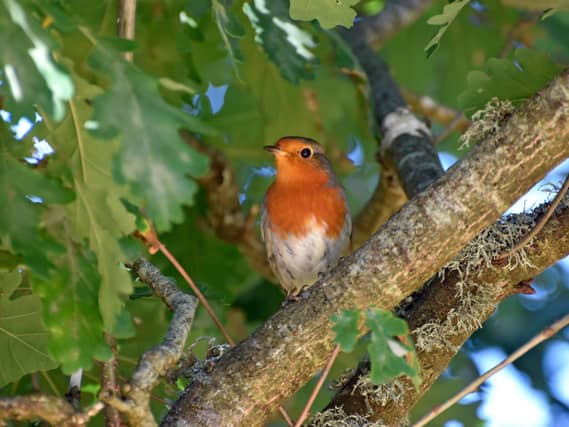

The Robin is unquestionably the UK’s favourite garden bird, and a number of polls have confirmed this. But along with the Robin’s popularity, there are a number of myths and misconceptions associated with our red-breasted friends.
Garden bird expert, Lucy Taylor of Vine House Farm Bird Foods, shares her take on five of these widely-held beliefs about Robins.
We’ve had the same pair of Robins in our garden for years
“Whilst this is technically possible, the reality is that it’s extremely unlikely. This is because the average lifespan of a Robin is just 13 months, with many individuals never making it to one year. These sort of numbers are usual with small songbirds, which is why they’ve evolved to have large broods – and in the case of the Robin often two or even three broods per season.
Male and female Robins look different
“They don’t! There can be very subtle differences between male and female which include the shape of the top of the head, but these are not consistent. Both male and female Robin have the same red breast, so telling them apart by their plumage is virtually impossible.
Only male Robins sing so that’s a way to tell the male and female apart
“No - female Robins also sing, and in fact a fairly recent scientific study showed that female Robins can sing with the same strength as a male. However, the complexity and strength of the song can be less at some times of year compared to that of the male bird.
Robins appear when loved ones are near
“Well I’m certainly not going to try and challenge this one, because it’s clearly important for any person to be able to take comfort in any way they like from observing nature. But what I can say is that the Robin’s behaviour of following us around the garden whilst we’re working is due to its association of us with food, as gardening often disturbs invertebrates such as earthworms.
Robins, like other songbirds, are declining because of predators
“Absolutely not! In fact the Robin population in the UK has increased by a whopping 49% since the mid-1960s, with the likely reason being a trend for less severe winters. It’s also important to say that scientific research has shown no link between slightly increased numbers of some predator species such as Sparrowhawk and Magpie, and the decline of some species of songbird at a national level – the reasons for those declines are much more to do with habitat loss and intensive farming methods.”