
Expert reveals the exact date each UK city should put heating on
While the UK celebrates the arrival of Autumn, the weather will sadly soon turn to rain, ice and heavy rain, which means millions of cash-strapped Brits will be considering turning the heating on for the first time since Spring.
Energy experts, National Insulation Supplies , has ended the debate with an official rule on what weather conditions need to be for Brits to start using their central heating and the date when this should occur in each city across the UK.
After crunching the data from Met Office forecasts, which take into account both historical data and current weather patterns to give a more accurate prediction, to show when each city will experience his ‘Switch-on’ criteria.
Mitchell Wray, energy expert, of National Insulation Solutions, advises that “The time to switch your heating on is when the temperature regularly no-longer reaches 15 degrees for a period during the day.
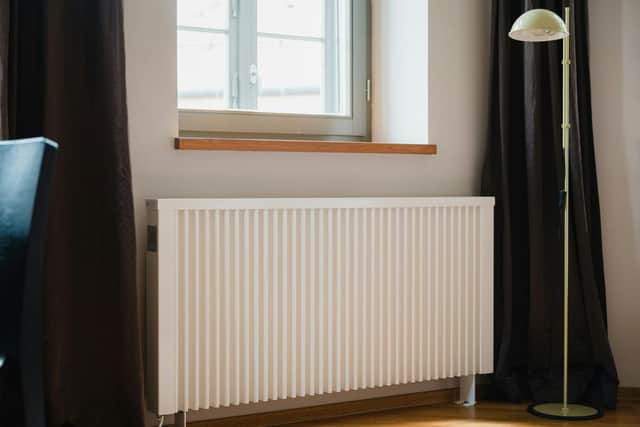

Waiting for it to drop colder could leave problems later in the winter causing costly repair bills, especially if you haven't turned on your boiler or heating for a few months.”
-
Hull: 9th Octoberr
-
Plymouth: 9th October
-
Leeds: 10th October
-
Edinburgh: 10th October
-
Southampton: 10th October
-
Sheffield: 11th October
-
Bradford: 11th October
-
Birmingham: 15th October
-
Liverpool: 15th October
-
Manchester: 15th October
-
Bristol: 19th October
-
Leicester: 19th October
-
Coventry: 19th October
-
London: 20th October
“Having this knowledge also means couples or families have a clear rationale for when to finally use their central heating - hopefully saving lots of arguments across the country.
Part of the debate is down to personal preference, but also every home is often insulated differently and also the microclimates across the UK”
Top tips for keeping heating bills down
-
Check for, and seal, any drafts around windows, doors, and skirting boards. You can use weatherstripping or caulk to prevent cold air from entering
-
Reduce your thermostat by a few degrees. Even a small adjustment can make a significant difference.
-
During the day, keep curtains and blinds closed to prevent heat loss.
-
Regular maintenance: Ensure your boiler and radiators are clean and functioning efficiently.
-
Bleed radiators: Bleed radiators to remove air pockets and ensure they heat evenly.