
Experts answer the top 10 most searched for boiler queries ahead of winter
As temperatures drop, Brits face heating issues, turning to Google for help and upgrades. Recent Google data shows a 2,400% surge in searches for "boiler upgrade scheme," reflecting growing interest in the government's initiative.
Experts at Anchor Pumps answer the top 10 most searched-for boiler queries ahead of winter
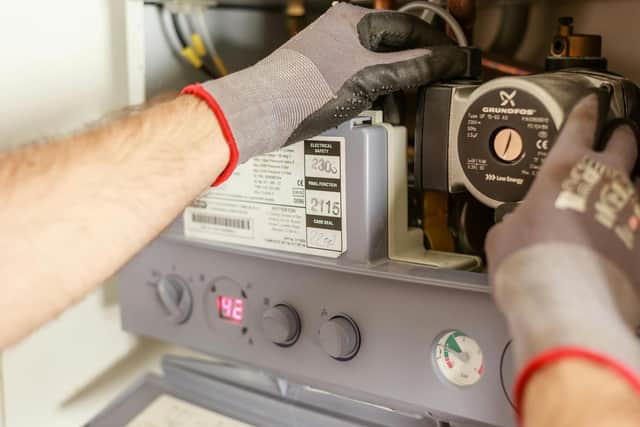

What temperature should my boiler be set at for hot water? (4,500 average monthly searches)
Some modern boilers will have an eco-setting that regulates the temperature automatically, but for other types of boilers and older models, you may have to manually adjust it. Look for a dial on the boiler itself which will allow you to select the temperature, which should be between 60 and 70°C for hot water. It should not drop below 50°C as this may increase the risk of bacteria growth.
What is a heat pump? (3,200 average monthly searches)
A heat pump is a highly efficient heating appliance that transfers heat, rather than using a lot of energy to generate it. They are designed to both heat and cool spaces efficiently by leveraging temperature differences in the environment, and heat pumps are increasingly becoming a popular replacement option for older boilers in UK households. A heat pump is also a much more environmentally friendly way to heat your home and deliver hot water as they can take their sources from the air, ground or water depending on the type of pump.
On the same topic, the query ‘How do heat pumps work’ receives 3,100 monthly searches, and the simple answer to that is that they work by transferring heat from one location to another using a refrigeration cycle. They typically deliver 2-3 times more energy than they consume in electricity, making them a great energy-saving alternative to fossil fuel boilers.
How much is a new boiler? (3,100 average monthly searches)
If your boiler is between 13-15 years old, it is worth investing in a new system (conventional gas boiler, combi or a heat pump) in order to keep your heating set-up energy efficient and safe. A new boiler can have a fairly costly outlay but the final bill will depend on the size of your property, type and model of the boiler, selected warranty and additional installation costs.
New boiler prices range between £600 - £5,000 depending on brands, and you’ll want to consider your existing boiler system before shopping around for the right appliance to replace the old one.
What is a combi boiler? (2,900 average monthly searches)
A combi boiler is a type of highly efficient gas boiler that can supply both hot water and central heating to a home. Typically, a combination boiler is a single compact unit which heats water directly from the mains, eliminating the need for a hot water storage cylinder. This type of boiler can heat water on demand, rather than being heated up and stored before use, which is a great advantage as it means hot water will always be available.
How much is a boiler service? (2,200 average monthly searches)
A regularly serviced boiler will run more efficiently and safely, which is important in winter when bills are higher and your household is using the central heating more frequently. According to Checkatrade, the average yearly boiler service costs approximately £100 for a gas boiler, and slightly less for oil and electric combi boilers.
A well-maintained boiler will not only last longer, but it will also reduce the risk of unexpected costly repairs, making an annual boiler service a worthwhile household task.
‘How long does a boiler service take’ receives 1,400 monthly searches and the answer is dependent on the age and type of your boiler. A gas boiler service can be expected to take from between 40 minutes to an hour, but can be as quick as 20 minutes for more modern boilers.
What temperature should my boiler be set at for central heating? (1,500 average monthly searches)
As mentioned previously, you should be able to regulate the temperature of your boiler for its heated water output and central heating by adjusting it directly on the appliance. Though it can be pushed to a few degrees more during winter, your boiler should be set at no less than 65°C for central heating. Ensuring that your home is well-insulated with appropriate roof and wall insulation is a good way to also improve central heating system efficiency and to avoid overworking your boiler during the colder season.
Who qualifies for a boiler grant? (1,500 average monthly searches)
In England and Wales, with the Boiler Upgrade Scheme, you could be eligible to receive a grant to cover part of the cost of replacing a fossil fuel heating system with a heat pump or biomass boiler. In Scotland, you may be able to receive a different grant to make your home more energy efficient.
To qualify for the UK government’s Boiler Upgrade Scheme, there are certain criteria that applicants must meet, including:
- The property’s legal owner must be the one to apply for the grant. (Tenants privately renting and councils are not eligible.)
- The boiler must be at least 8 years old
- The property must be connected to a mains gas supply
- The applicant must be receiving at least one of the government benefits, including Universal Credit, Child Benefit and Pension Credit Savings
Visit the government website to check your eligibility and to apply for the scheme - https://www.gov.uk/apply-boiler-upgrade-scheme
How to increase boiler pressure (1,500 average monthly searches)
If you notice an issue with your hot water or central heating, such as water taking a long time to heat up and cold radiators even though the heating is switched on, you may need to check the pressure of your boiler. It’s the most common reason why your boiler may not be working and increasing the pressure is usually a quick fix that you can do yourself.
To increase boiler pressure, follow these steps:
- Turn off the boiler and let it cool completely if it is still hot or warm.
- Locate the external filling loop, which is usually a short length hose directly underneath the boiler that links to water pipes with levers at either end to control the valves. If you can’t find the filling loop, consult the boiler manufacturers manual.
- Open both valves by turning the levers so that they are aligned with the direction of the filling loop hose. Once you’ve done this, you should be able to hear water running and see the pressure gauge move.
- Monitor the pressure gauge and turn off the levers when it reaches 1.2 bar or the desired pressure, which is usually between 1-1.5 bar.
- Ensure that the filling loop is closed again to avoid any leaks.
- Restart the boiler after setting the pressure and check the level again after it has heated up to ensure that it has stayed in the same range.
If your boiler pressure is dropping regularly (more than a few times a year) and there are no visible water pipe leaks or pipe corrosion, then it may be time to consider getting a professional to conduct a boiler repair service or invest in a brand new one.
How to reduce boiler pressure (1,400 average monthly searches)
Alternatively, you may also need to reduce the boiler pressure if the heating system has shut down completely or the pressure gauge has visibly gone into a red zone or increased beyond the usual setting. To do this, you can bleed your radiators using a radiator key to release water and pressure from the system. Start with the radiators on the ground floor and work your way up, checking the boiler pressure regularly to see if it has adjusted to the desirable range.
If the boiler pressure was recently increased, you may want to double-check that the filling loop valves have been closed correctly.
What should boiler pressure be when heating is off? (1,000 average monthly searches)
Generally, the boiler pressure for when the heating is off should be between 1-1.5 bars. Check the limit set by your boiler manufacturer in your model’s manual to ensure that your boiler is at the right pressure, or consult a professional Gas Safe Registered plumber or heating engineer for further guidance.
At Anchor Pumps, we recommend keeping your boiler in top condition all year round to help it run as efficiently and cost-effectively as possible. A boiler service should be completed annually to keep your boiler running at optimal performance. Being aware of the correct temperatures for hot water and central heating, and keeping an eye on boiler pressure, can all have an energy-saving impact and even help to reduce your heating bills this winter.
Find out more about Anchor Pumps here: https://www.anchorpumps.com/