
Fence-y that! Your fence and decking can actually get sunburnt
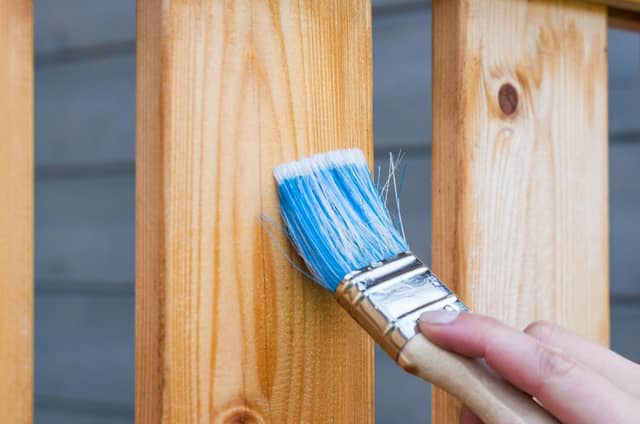

When we think of sunburn, we picture red skin and after-sun lotion. But did you know your fence and decking might be suffer from sun damage too after the recent heatwave? Just like our skin, wood reacts to prolonged exposure to the sun’s UV rays fading, drying out, and eventually deteriorating.
“UV exposure breaks down lignin, the natural polymer that gives wood its strength and colour,” explains Sue Taylor, product expert and Director of Complete Construction Products. “This results in fading, a greyish, weathered appearance, and a weakening of the wood's surface, making it more susceptible to other forms of damage.”
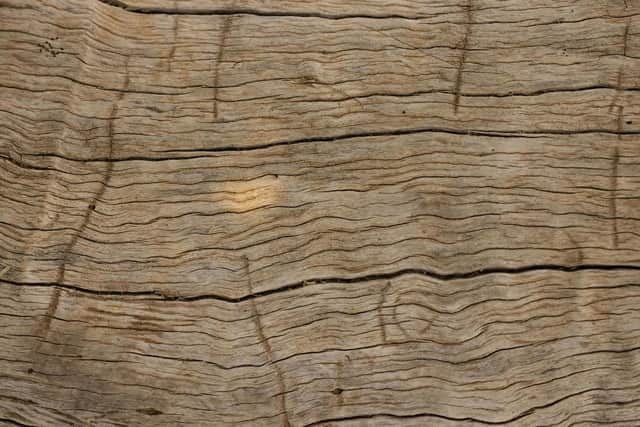
Over time, this damage can cause your decking boards to become brittle and your fence panels to warp or splinter leaving your once-beautiful garden looking unloved.
How to protect your fence and decking from UV damage
Thankfully, protecting your outdoor wood is easy if you know what to look for. Sue advises:
1. Choose UV-resistant finishes
“Look for UV-resistant finishes or stains that block harmful rays,” says Sue. “These will slow down the greying process and help retain the wood’s natural tones for longer.”
These finishes work by forming a protective barrier on the surface of the wood, often with added pigments to reflect sunlight. They can be clear or tinted, depending on your style preference.
2. Sealants with water repellency and UV protection
“Decks and fences are exposed to more than just the sun; they deal with rain, morning dew, and temperature changes, too,” says Sue. “A good-quality sealant with both water repellency and UV protection helps reduce weathering and extend the life of your wood.”
Sealants are particularly effective on horizontal surfaces like decking, where water tends to pool. Look for a product that offers dual protection and reapply it every couple of years, or as recommended.
3. Exterior-grade paints
While paint can offer a bold transformation and strong protection, it comes with a caveat. “Paint provides a protective layer against the elements, but it can trap moisture if not applied correctly to properly prepared wood,” warns Sue.
To avoid peeling and blistering, ensure the wood is completely dry, sanded, and clean before painting. Use only exterior-grade paint specifically designed for wood, and don’t forget to seal the end grain as these are often the most vulnerable areas.
4. Penetrating oils
For a more natural look, consider using wood oils. “Oils penetrate the wood, nourishing it and providing some water resistance,” Sue says. “They don’t form a surface film like paints or some sealants, so they won’t peel but they will need more frequent reapplication.”
Popular options include teak, linseed, or specially formulated decking oils. They can enhance the grain and give your timber a warm, rich finish.
5. Don't wait until it's grey
It’s tempting to only think about maintenance once damage becomes visible, but proactive care is key. “If you start with good preparation and regular treatment, your fence and decking will look better for longer—and you’ll save money in the long run,” says Sue.
So, whether you're giving your garden a summer spruce-up or planning a new installation, remember: your wood needs SPF too.