
Homeowners risk £4,500 repair bill from pressure washing mistakes, expert warns
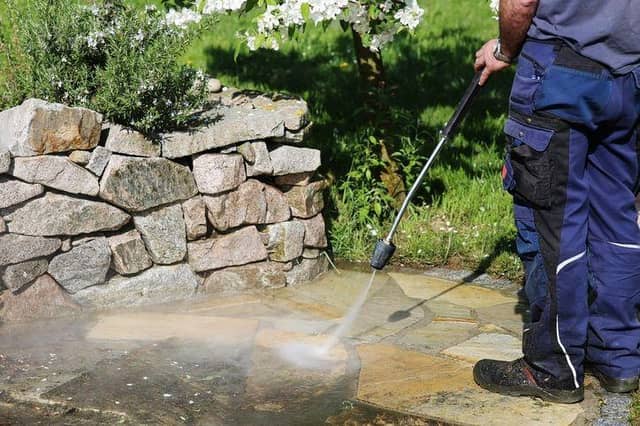

As Brits get their gardens ready for summer BBQs and garden parties, nearly two in five homeowners risk ruining their patios by using pressure washers incorrectly causing damage that could cost thousands to repair, experts warn.
With searches for ‘pressure washing’ surging by over 64,000 last month alone, patio experts are urging homeowners to take extra care before blasting away dirt and grime.
Alex Essex, Managing Director at The Patio Black Spot Removal Company, shared how to safely and effectively use a pressure washer to avoid harming your patio:
How to pressure wash your patio safely in four simple steps
- Know Your Surface
Check what your patio is made of - sandstone, limestone, granite and marble each have different strengths and weaknesses. Some softer stones can’t withstand high pressures at all.
- Use the Right Equipment
If you’re renting or buying a pressure washer, choose one with adjustable PSI. For most patios, aim for 1,200–1,800 PSI, higher than this risks damage, especially to natural stone. Use a fan or wide spray nozzle (usually 25 - 40 degrees) rather than a pinpoint jet. This spreads out the force and reduces the risk of etching or chipping.
- Test First
Always test on a small, hidden spot. This helps you check for unexpected damage or discoloration before cleaning the whole area. Hold the nozzle at least 12–18 inches away from the surface and keep it moving. Never concentrate the jet on one spot for too long.
- Work Methodically
Start at the highest point of the patio and work your way down in sections. Overlap your strokes to avoid streaks. Avoid spraying directly into the gaps between pavers. If jointing sand washes out, refill it once the surface is dry.
Alex Essex of The Patio Black Spot Removal Company commented on the financial impact of damaging your patio: “Replacing patio tiles that have been damaged by improper pressure washing can be a costly exercise. Laying a new patio now costs a minimum of £125 + VAT per square metre for materials like Indian Sandstone or flagstones, and this can rise to as much as £300 per square metre for premium options such as granite or York Stone.
“For example, installing a small patio of around 30 square metres could easily cost about £4,500 including VAT, covering the necessary ground preparation and installation. It’s also worth noting that prices listed online don’t always clarify whether essential groundwork, levelling, drainage, and other preparation are included. This makes it even more important to clean and maintain your existing patio properly, rather than risk unnecessary damage and the high expense of replacement.”
Top 5 risks to your patio from pressure washing:
- Erosion & Etching: Excessive pressure can strip away the top layer of artificial stone, leaving permanent damage to the finish.
- Chipping & Cracking: High pressure can delaminate sandstone leaving it susceptible to frost damage.
- Dislodged mortar: Aggressive washing can dislodge cement mortar or resin pointing.
- Dislodged Blocks: Sand can be washed away, leading to loose or uneven bricks or blocks.
- Stripped Sealant: Overpowering jets can remove protective sealants, leaving surfaces vulnerable to oil and BBQ fat.
Alex Essex added: “Before undertaking any form of outdoor cleaning, it’s essential to understand the material you're working with. Different surfaces, whether sandstone, limestone, granite or marble, each have their own vulnerabilities and require specific approaches. What’s safe for one could be highly damaging to another.
“A good rule of thumb is to always start with a gentle method, use the lowest pressure setting, and test a discreet area before proceeding. The damage caused by a pressure washer that’s too powerful or used too closely can include everything from erosion and discoloration to cracking and natural layers removed. These aren’t just cosmetic issues, they can significantly reduce the lifespan of your patio.”