
How to avoid common DIY mistakes that could cost thousands
Research last year revealed that over half of UK adults (53%), or 28 million people, spent on DIY in 2023, while over a third of DIYers (37%) planned to spend more on DIY compared to 2022.
It’s believed that the average UK adult spent an estimated £1,380 on DIY in 2023, equalling £38.7 billion as a nation. However when you are starting there are some mistakes every DIYer will admit to and these are the most common ones Glen Peskett, a DIY specialist at Saxton Blades Multitools, has explained how to avoid them!

Not Preparing the Surface Properly
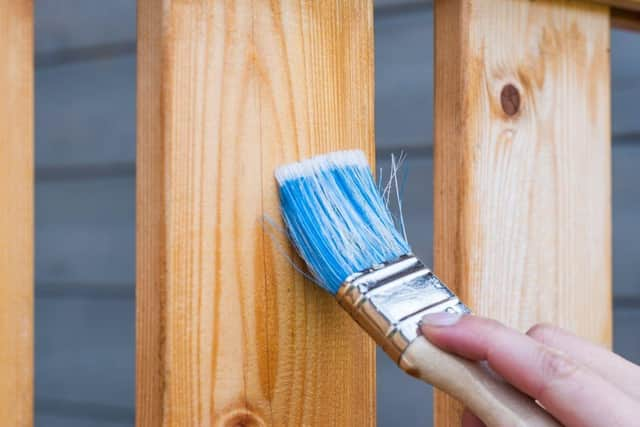
“One of the most common mistakes in DIY is failing to properly prepare the surface before starting a project. Whether you’re painting, tiling, or wallpapering, skipping this step can lead to poor results, with paint peeling, tiles not sticking, or wallpaper bubbling.
To avoid this, it’s important that you always clean the surface thoroughly, removing any dirt, grease, or old finishes. For painting, sand down any rough areas and use a primer suited to the material. For tiling, ensure the wall or floor is flat and free of dust. Proper preparation takes time but it ensures you will have a professional finish.”
Skipping the Planning Stage
“It’s tempting to dive straight in, but failing to plan is a recipe for disaster. Whether it’s hanging a shelf or tiling a bathroom, planning ensures you have all the materials and equipment you need. Sketch out your design, measure accurately (remember the old adage: "measure twice, cut once"), and make sure you’ve factored in all potential challenges. For example, in older UK homes, walls may not be perfectly straight, which can complicate what seems like a simple task.”
Ignoring Safety Precautions
“Safety is paramount, yet it’s often overlooked, and many of us are guilty of forgoing safety gear because the task seems minor. However, even small jobs can be hazardous.
Always wear protective goggles, gloves, and appropriate footwear. If working with electricity, ensure the power is off, and consider hiring a professional for anything complex. Additionally, be aware of any regulations that might apply to your project, especially when dealing with electrics or plumbing.”
Using the Wrong Materials
“Opting for cheaper materials might seem like a way to save money, but it often leads to poor results or more expenses down the line. Make sure the materials you choose are appropriate for the climate and the specific demands of your project.
For example, if you’re doing outdoor work, ensure your materials are weather-resistant and suitable for our often damp conditions.”