
How to keep garden beds clean and thriving year-round
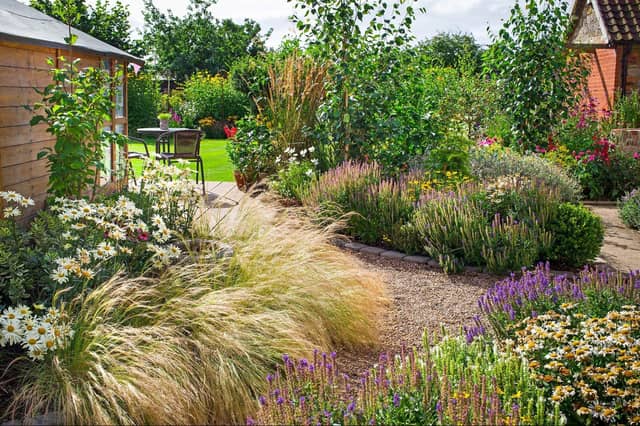

Maintaining a clean, organized garden bed is crucial for promoting healthy plant growth and enhancing the overall appearance of any landscape. Whether for a private residence, a rental property, or a commercial space, consistent upkeep ensures that plants not only survive but thrive throughout the year. More than a matter of aesthetics, regular garden bed cleanup is a fundamental aspect of sustainable gardening.
Why Garden Bed Cleanup Should Be a Priority
Garden beds that are neglected often become breeding grounds for problems. Accumulated organic debris such as dead leaves and fallen branches can attract pests and contribute to the spread of disease. Weeds left unchecked compete with desirable plants for essential resources like water, sunlight, and nutrients. Soil that becomes compacted over time can suffocate roots and reduce water absorption, while outdated mulch may break down into a soggy, moldy mess that threatens plant health.
Moreover, an untidy garden diminishes curb appeal and can lower the perceived value of a property. For homeowners hoping to sell or landlords looking to attract quality tenants, a well-maintained garden can significantly enhance first impressions. For commercial properties, neat and tidy landscaping contributes to a professional image and welcoming atmosphere.
Step-by-Step Guide to Effective Garden Bed Cleanup
A structured approach is key to ensuring no step is overlooked. The following steps outline how to properly clean and rejuvenate garden beds, preparing them for strong, sustained growth.
1. Assemble the Right Tools
Before starting, it's essential to gather the necessary tools. These typically include:
- Gardening gloves
- Pruning shears
- A garden fork
- A rake
- A wheelbarrow
- A weeding tool
- Yard waste bags or a compost bin
Having everything on hand helps streamline the process and minimizes disruption.
2. Prune and Trim Overgrowth
Overgrown shrubs, perennials, and ornamental grasses should be trimmed to maintain shape and encourage healthy new growth. Removing dead or damaged branches prevents pests and disease while opening up airflow around the plant base.
3. Remove Unwanted Plants and Weeds
Any dead plants from the previous season should be pulled up and discarded. Weeds, particularly those with deep root systems, should be extracted completely to prevent regrowth. Using a specialized weeding tool can make this task easier and more thorough.
4. Clear Debris and Decomposing Mulch
Over time, mulch breaks down and can mix with fallen leaves and other organic material. While some of this may be compostable, much of it needs to be removed to prevent fungal growth and other issues. Raking away debris clears the soil surface and prepares it for renewal.
5. Aerate the Soil
Compacted soil is a common problem in garden beds, especially after heavy rainfall or foot traffic. Using a garden fork to aerate the soil loosens it up, improving water drainage and enabling better oxygen flow to plant roots. This step is essential for maintaining long-term soil health.
6. Test and Amend the Soil
A soil test is recommended at least once a year. Testing kits are readily available and help determine pH levels and nutrient deficiencies. Based on the results, gardeners can amend the soil with compost, well-rotted manure, or organic fertilizers to restore its nutrient profile.
7. Apply Fresh Mulch
A new layer of mulch not only enhances the appearance of the garden bed but also helps retain moisture, regulate soil temperature, and suppress weed growth. It's best to apply 2 to 3 inches of mulch, being careful to leave space around plant stems to prevent rot.
8. Define the Edges
Neat, clearly defined edges give garden beds a polished look. Using a spade or edging tool, gardeners can create smooth borders that help keep mulch in place and prevent grass from encroaching into the bed.
Seasonal Maintenance Tips for Garden Beds
Each season brings specific challenges and tasks for garden maintenance. Addressing them proactively ensures healthy plants and beautiful beds all year long.
Spring
As the growing season begins, it's time to remove winter debris, prune back perennials, and prepare the soil for planting. Applying a fresh layer of mulch sets the stage for new growth.
Summer
During hot, dry periods, mulch plays a critical role in moisture retention. Regular weeding, occasional soil top-ups, and deep watering ensure the beds stay vibrant.
Fall
Autumn is the ideal time to clear fallen leaves, cut back fading perennials, and prepare the garden for dormancy. Adding organic matter in fall helps enrich the soil over winter.
Winter
Although growth slows down, winter maintenance is still important. Protect tender plants with mulch, ensure drainage systems remain clear, and plan improvements for the next season.
The Long-Term Value of Garden Bed Maintenance
A well-maintained garden bed is more than just a pretty feature; it's a reflection of consistent care and attention to detail. Property owners who invest time and effort into regular garden cleanup not only enjoy a more attractive space but also reduce long-term maintenance costs. Healthy plants are more resistant to disease, require fewer interventions, and are generally easier to manage.
For property managers, tidy landscaping sends a strong signal of professionalism and high standards. For homeowners, it offers the satisfaction of a beautiful, thriving outdoor area.
By following a structured cleanup routine and tailoring care to each season, garden beds can remain a source of pride and joy all year long. For those seeking professional guidance or full-service landscaping, connecting with local experts like Evergreen Outdoor Service, ensures optimal results and lasting beauty.