
Quick paint fix poses serious health risks and permanent home damage, expert warns
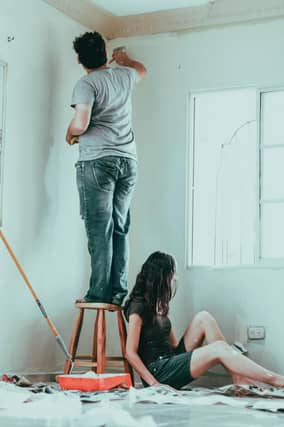

Many people tackling DIY mould fixes during the colder months are making this simple mistake when using anti-mould paint, which not only allows mould to return but also poses serious health risks.
Robert Quinton, home improvement expert and owner of Construction Megastore, shares the correct steps all homeowners must take to make sure they aren’t at risk of recurring mould.
Cause of mould
“Mould thrives in environments with excess moisture, such as poorly ventilated spaces or areas with leaks or dampness which can be worsened with actions like drying clothes indoors or cooking without proper airflow. Identifying and fixing these issues is the only way to prevent mould from returning in the long term.”
Common mistake - not removing it beforehand
“Anti-mould paint can be an effective solution for tackling mould, as it creates a surface that mould cannot easily grow on but it’s important to use it correctly, as anti-mould paint should always be the final layer. Painting over it removes the protective barrier, allowing mould to return.
“Before painting, it’s important to thoroughly clean and treat any mould using a suitable mould remover or a DIY solution like a mixture of bleach and water, ensuring the surface is free of active mould and ready for paint application.
“Unless the mould is properly treated and the underlying cause addressed, it will reappear, bringing the same health and structural concerns as before. Always wear protective gear and ventilate the area to avoid exposure to harmful fumes.
"It can also cause long-term damage to your home, as mould weakens materials like wood, drywall, and insulation, compromising the structural integrity of your property. Ignoring the root cause will only lead to continued deterioration and expensive repairs."
Clean and wait 24 hours
“Clean the affected areas with a fungicidal wash, let it sit for 24 hours, and rinse thoroughly. Always wear protective gear, such as gloves and a face mask, to prevent inhaling mould spores.
“One common mistake people make is not allowing anti-mould paint to properly set. For example, using a bathroom and creating condensation within 24 hours of painting can weaken the paint’s biocide and reduce its effectiveness.”
Prep the surface before
“Proper preparation is important when painting over areas previously affected by mould, as any loose or damaged materials should be removed, edges smoothed, and the surface cleaned and dried. Skipping this step can compromise the adhesion and effectiveness of the paint.”
How to paint properly
“For the best results, start with a mould-resistant paint as the base layer, followed by an oil-based paint to add a water-resistant barrier. Finish with a topcoat, such as an emulsion, for a clean and lasting finish. Each layer plays a role in protecting your walls and ceilings from future mould growth.”
Anti-mould paint options
“Using high-quality anti-mould paint is important to deter mould growth as these paints resist moisture and steam, creating a barrier that mould cannot easily penetrate. For added flexibility, an anti-mould additive can be mixed with standard paint to provide similar benefits.”