
Renovation vs. rebuild: What makes sense for older homes?
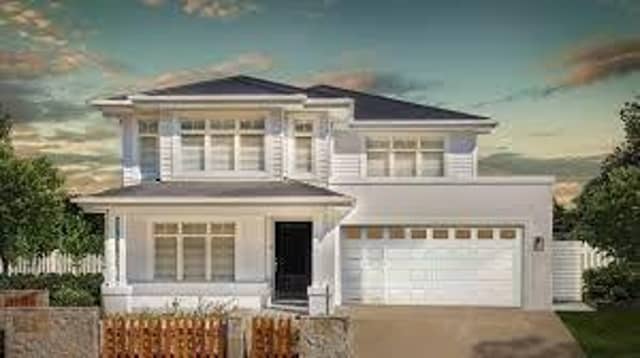

As the housing market continues to tighten and historical charm grows in demand, many homeowners are faced with a critical decision: should they renovate an older property or rebuild it entirely? Both options come with pros and cons in terms of cost, time, and design flexibility. The right choice depends on several factors, from structural integrity to future resale value.
Whether you’re a homeowner, builder, or investor, understanding the full scope of each path can help you avoid costly mistakes and ensure that your project delivers long-term value.
Why Older Homes Present a Unique Challenge
Homes built several decades ago often come with vintage charm, ornate woodwork, tall ceilings, and solid foundations.
But behind the beauty can lie issues such as:
- Outdated electrical and plumbing systems
- Poor insulation or moisture control
- Inefficient layouts are not suited to modern lifestyles
- Hazardous materials (e.g., lead paint or asbestos)
- Structural wear and tear
The dilemma often arises when the cost of addressing these issues rivals or exceeds the cost of starting from scratch. That’s where the renovation vs. rebuild debate begins.
When Renovation Makes More Sense
1. Preserving Architectural Character
Some homes feature irreplaceable architectural elements. If preserving historical or cultural value is a priority, renovation allows you to maintain the original look while upgrading the interior.
2. Budget Constraints
Renovations can be more cost-effective if the home’s bones are solid. Minor layout tweaks, cosmetic updates, or system upgrades can make a big impact without tearing down the structure.
3. Faster Permitting
In many municipalities, a renovation may require fewer permits than a rebuild. If zoning laws are tight, renovating within the existing footprint may be your only option.
4. Environmental Impact
Renovation is generally more sustainable. Reusing existing materials and reducing demolition waste is a lower-impact alternative to new construction.
When a Rebuild is the Smarter Option
1. Severe Structural Damage
If the foundation is compromised, the framing is rotted, or there’s major water/mold damage, a rebuild may be safer and more practical.
2. Long-Term ROI
In some cases, rebuilding a modern, energy-efficient home can provide better resale value and lower maintenance costs over time.
3. Design Flexibility
A rebuild allows you to reimagine the home entirely, open concept layouts, smart technology, and sustainable materials can be seamlessly integrated from the ground up.
4. Code Compliance
Older homes often don't meet current building codes. Trying to bring them up to standard can be more expensive and time-consuming than starting fresh.
The Role of Cost Estimating in the Decision
Whether renovating or rebuilding, understanding the costs is essential; accurate estimates not only aid in budgeting but also help determine feasibility.
A residential estimating services specialist can provide detailed projections for both renovation and rebuild scenarios. These projections help compare costs in a structured way, breaking them down by materials, labor, permits, and contingencies. In many cases, a line-by-line comparison reveals hidden expenses that homeowners overlook when making this decision emotionally rather than practically.
Takeoff Services for Smarter Planning
Planning a renovation or rebuild begins with understanding the scope. This is where construction takeoff services become invaluable. Takeoff reports provide detailed measurements and material counts based on architectural plans of existing structures.
By identifying exact quantities of framing, drywall, roofing, or finishes, takeoff services help reduce waste and increase purchasing efficiency. They also enable better communication between contractors and clients, ensuring that everyone is aligned on expectations from the start.
Legal, Zoning & Permit Considerations
Before making a final decision, it’s crucial to investigate zoning laws and permit requirements. Some areas place restrictions on demolitions, especially for heritage or conservation properties. Others may allow a rebuild but limit the square footage or height.
In contrast, renovations that retain a certain percentage of the original structure may qualify for “grandfathered” compliance, which can save both time and money.
Blended Approaches Are an Option
Sometimes, the best solution isn’t strictly one or the other. A partial rebuild, such as replacing just the back half of a home or adding a new wing, can provide the benefits of new construction while preserving important elements.
This hybrid approach requires meticulous planning and collaboration between designers, estimators, and construction teams, but often yields the best of both worlds.
Conclusion
Choosing between renovating and rebuilding an older home is a complex decision that blends emotional attachment, financial logic, and practical constraints. While renovation appeals to those wanting to preserve character and reduce costs, rebuilding opens the door to modern design, energy efficiency, and long-term value.
The key to making the right choice lies in understanding your property’s current state, future goals, and the full cost of each path. With the help of expert estimators and accurate takeoff services, you can move forward with confidence, knowing your decision is based on facts, not guesswork.