
Shopping for a garage roof: what you need to know
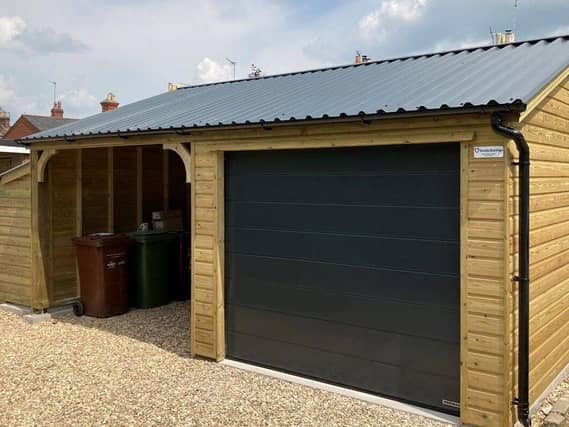

A garage roof might not be the first thing you think about when it comes to home maintenance, but it plays a critical role in protecting your property, vehicles, tools, and other stored items.
Whether you're dealing with visible damage, ongoing leaks, or simply an aging structure, replacing a garage roof can enhance safety, boost curb appeal, and even increase your property value.
In this guide, we’ll walk you through everything you need to know about replacing a garage roof—from signs it’s time for a replacement to choosing materials and finding the right contractor.
Signs Your Garage Roof Needs Replacing
Before you invest in a full roof replacement, it’s important to assess whether repairs could be enough. However, several indicators point to the need for a complete replacement:
Persistent Leaks
Occasional leaks might be fixable, but if you’re dealing with repeated water ingress, it could signal deeper structural issues.
Sagging or Bowing
A sagging roof deck can indicate water damage or compromised structural supports, both of which are serious and require immediate attention.
Moss or Algae Growth
While not always a structural issue, extensive moss or algae can damage roofing materials over time and signal poor drainage or trapped moisture.
Age of Roof
Most garage roofs last between 15 and 30 years depending on materials. If your roof is reaching or has exceeded its lifespan, it’s worth considering a replacement.
Cracked or Missing Shingles (or Other Materials)
Especially in asphalt or tiled roofs, extensive cracking, warping, or loss of granules indicates the roof is no longer protecting the garage effectively.
Planning the Replacement
Determine the Scope
Start by identifying whether you need a full tear-off or just a re-roof (layering over the existing structure). A complete tear-off is usually recommended for longevity and to uncover hidden damage.
Check Local Building Codes
Some regions have regulations about roofing materials or the number of layers you can have. If you’re in a conservation area or own a listed property, you may need additional planning permission.
Choose Roofing Material
Garage roofs can be covered with a wide range of materials, each with its pros and cons:
- Asphalt Shingles: Affordable, easy to install, and available in many styles. Lifespan: 15–25 years.
- EPDM Rubber: Common in flat or low-pitch roofs. It's waterproof and durable. Lifespan: 25–30 years.
- Metal Roofing: Long-lasting and energy-efficient. Great for detached garages. Lifespan: 30–50 years.
- Felt Roofing: Low-cost option for flat roofs. Easy to install but not as durable. Lifespan: 10–15 years.
- GRP/Fibreglass: Ideal for flat roofs, offering seamless coverage. Lifespan: 20–30 years.
Budgeting
Garage roof replacement costs vary widely based on size, material, and labour:
- Small garage (single car, felt roof): £700–£1,500
- Mid-size garage (pitched roof with shingles): £1,500–£3,000
- Larger, high-end materials (e.g., metal or fibreglass): £3,000+
Always get at least three quotes and ask for itemised breakdowns.
DIY vs Professional Installation
DIY:
Some homeowners opt to replace garage roofs themselves to save on labour. This can be feasible for simple flat roofs, especially if you're handy and have the proper tools. However, mistakes in installation can lead to leaks, voided warranties, or even structural damage.
Professional:
Hiring a professional ensures the job is done safely and to building standards. Many reputable roofing contractors offer warranties and are insured—protecting you from liability.
Preparation & Process
Here’s what to expect during the replacement process:
- Site Prep: Move items away from the garage and cover valuables inside to protect from debris or water ingress.
- Old Roof Removal: If doing a tear-off, contractors will remove the old material and inspect the underlying structure.
- Repairs: Any rotten decking, damaged trusses, or compromised insulation will be replaced.
- Installation: New roofing material is laid, with attention to ventilation, sealing, and waterproofing.
- Cleanup: Good contractors will leave the site clean, disposing of waste responsibly.
Depending on size and complexity, most garage roof replacements take 1–3 days.
Insulation and Ventilation Considerations
While replacing the roof, consider whether your garage needs insulation—especially if it’s attached to the house or used as a workshop. Upgrading insulation can reduce heat loss, lower energy bills, and prevent condensation issues.
Ventilation is equally important to prevent mould and structural degradation. Ridge vents, soffit vents, or even powered solutions can be added to keep airflow steady.
Eco-Friendly Options
Looking to go green? Consider these environmentally friendly choices:
- Cool Roofs: Reflect sunlight and reduce heat absorption.
- Green Roofs: Covered in vegetation, providing natural insulation.
- Solar Panels: Ideal time to install if your garage gets a lot of sun.
Final Thoughts
Replacing a garage roof is a significant project, but when done right, it ensures the safety, functionality, and aesthetic appeal of your property. Whether you’re dealing with water damage, old materials, or planning a home upgrade, taking the time to choose the right materials and professionals will pay off in the long run.
If your garage roof is showing signs of age, don’t wait until a leak damages your tools, bikes, or belongings. A proactive replacement is often far more cost-effective than emergency repairs.