
Sunmapping: The interior design trend bringing light, health, and happiness into your home
Homeowners are increasingly using sunmapping to improve their spaces, not just for aesthetics but also for health and well-being.
UK searches for ‘sunmapping’ have jumped almost 50% between late 2023 and now,* suggesting that homeowners are increasingly interested in maximising the benefits of natural light indoors. With 1 in 6 UK adults having low levels of vitamin D, experts at IDSystems shine light on this trend.
Sunmapping and the value of natural light
Sunmapping is an interior design practice that maximises the value of natural light by strategically using the sun's movement throughout the day. Natural light has proven to improve your mood, increase productivity, benefit your vision, and help regulate your sleeping patterns.
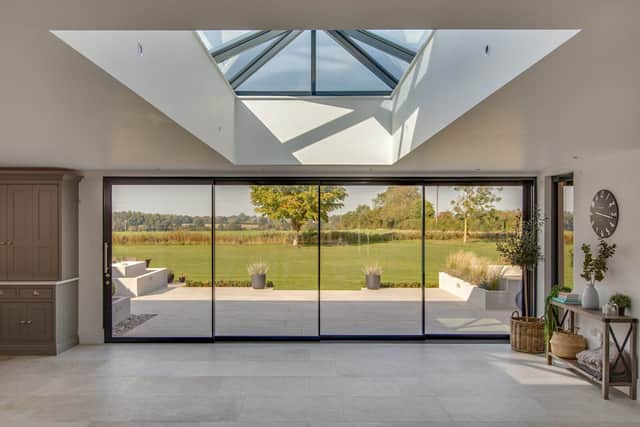

In many European countries homes tend to have large windows, designed with a focus on daylight. For example, Dutch building guidelines specify a minimum daylight surface area, which means that a certain percentage of the floor space needs to be illuminated by natural light. This emphasis on natural light can be seen in the Dutch word ‘doorzonwoning’, which translates to a house that lets sunshine through from one end to the other.
Britain has no such regulations to protect the right to natural light. In fact, UK building regulations actually note a maximum window size, which is meant to prevent overheating during summer. New homes in London are restricted to window areas no larger than 13% of the floor area, while elsewhere in England this limit is 21%. While regulations designed to better insulate the UK’s homes are certainly important, there are much more effective ways than simply installing small windows. For example, double and triple glazing offer high-quality insulation, while still providing the health benefits of natural light.
Recommendations for healthier homes
With increased rates of remote working, we are spending more and more time indoors, further limiting our exposure to natural sunlight. Edward Stobart, Technical Sales Manager at IDSystems, explains how to maximise the health benefits of natural light inside your home.

“Home improvement projects look for opportunities to increase the appeal of a living space, and one of the first things that should be considered is natural light,” says Stobart. “Taking a daylight-first approach to a project makes a massive difference to the quality of the final result. Walking into a space that is designed to prioritise natural light quite literally feels like a breath of fresh air, it never fails to lift my mood.” Stobart explains that architects and builders can use simulation tools to optimise window placement for maximum sunlight exposure throughout the day.
“Using double and triple glazing is essential to prevent heat loss in winter and overheating in summer.” Stobart continues. “These glazing options offer excellent insulation properties, ensuring homes remain comfortable year-round without compromising on the benefits of natural light.” This approach also contributes to energy efficiency, reducing heating and cooling costs.
An emphasis on architecture that increases the connection between indoor and outdoor spaces can significantly improve the quality of life for residents. Stobart recommends: “Incorporating windows that can open widely allows for better ventilation and a seamless blend between the interior and exterior environments. Additionally, glazing solutions such as bifold doors provide expansive views and the flexibility to open up entire walls to the outside, flooding homes with natural light and creating a more harmonious living space.”
If you’re planning a home renovation project of your own, taking a daylight-first approach could help you optimise the health benefits of natural light and ventilation.