
How do you know when it is too cold to walk your dog, what does the RSPCA advise?

It is important to pay as much attention to your dog in the colder months as it is when it is very hot.
In the warmer months in the UK (yes they do exist occasionally in the summer), dog owners including myself are acutely aware when temperatures rise dramatically and it becomes too hot to go for a walk with them in the daytime. However, when it comes to winter, do dog owners have to take the same precautions?
According to the RSPCA, “Just like humans, animals need a little extra care during the cold and dark winter months.” The RSPCA advises that “Short-coated breeds — animals with shorter coats may be more likely to feel the effects of cold weather. Wrapping them up in a coat when outdoors, or with a heated blanket at home, can help keep them cosy.”
The RSPCA also says that “Keeping pets dry and warm in winter is crucial for their well-being. Cold, wet conditions can cause pets to become chilled, making them more vulnerable to illnesses like frostbite, hypothermia, or respiratory infections.”
If you have a puppy, it is also imperative to be extra vigilant. The RSPCA advises that “Puppies aren’t built for cold weather, either, as their ability to regulate temperature hasn’t fully developed.
It is also important to remember that it is not only puppies who struggle in the winter. The RSPCA says that “elderly dogs, sick dogs and dogs who aren’t acclimatised to the cold also struggle.
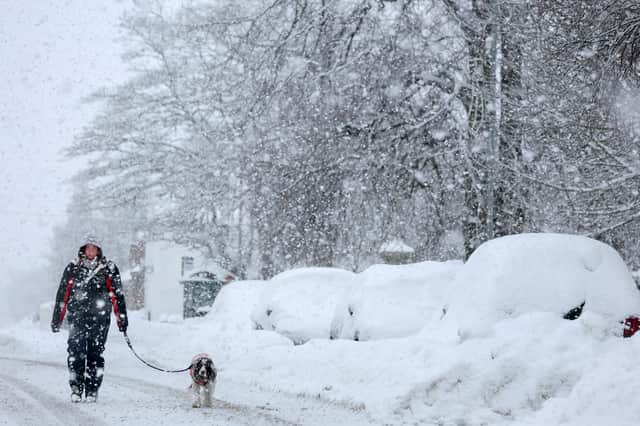

“All dogs are individual, and some will be able to withstand colder weather for longer than others. However, if they’re out in low temperatures for prolonged periods, most breeds will start to feel the effect. A dog’s extremities – ears, feet, nose and tail – which have less or no fur, may be at increased risk of frostbite.
“You may notice dogs eating or sleeping more in winter, to conserve energy, or an increase in energy levels, as a way of warming up.”
Just like it is important to seek medical advice if you have any cause for concern when it comes to a human’s health, the same rule should apply to our pets. If you are worried that your pet is not coping well in the winter months, ensure that you speak to your vet about any of your worries.