
I cheated on my first-generation Ring Doorbell with the latest model…was it worth it?

It’s fair to say that the Ring Doorbell series revolutionised home security, offering smart surveillance with remote access via mobile devices. Since its introduction, Ring has continuously improved its video doorbell technology, making each new generation more advanced than the last.
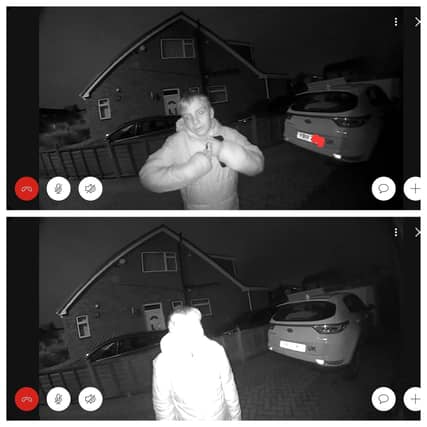
But, until very recently, I’d remained loyal to my first-generation Ring; it had provided key evidence after an incident in our street after all. But last month I did the unthinkable and left my old Ring for a newer model, and – despite feeling guilty at first – I haven’t looked back since.
Here are the main reasons first-generation users might want to follow my betrayal and upgrade to the latest model.
Video and Audio Quality
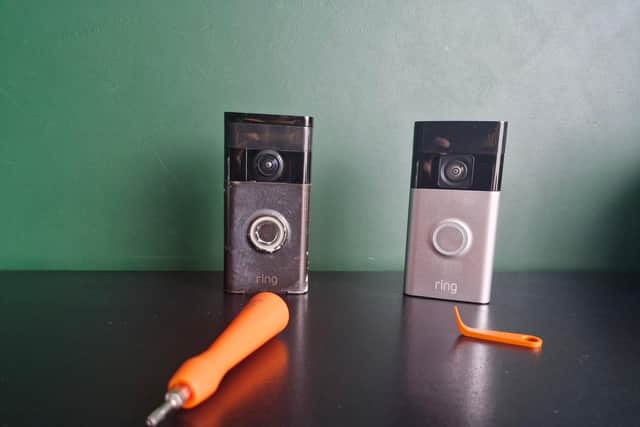
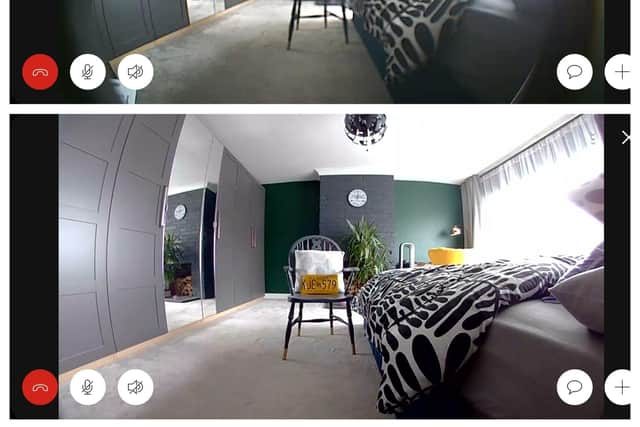
One of the most significant improvements between the two generations is video quality. The first-generation Ring Doorbell recorded video at 720p HD resolution, which was decent at the time but now feels outdated. The video clarity was sufficient for basic monitoring but lacked the sharpness needed to capture fine details. I tested both our Ring Doorbells under the exact same conditions, first in our bedroom during the daytime and then using my twelve-year-old son as the unwanted visitor at night. The difference in clarity was remarkable, especially at nighttime. The night vision in the first generation was functional but not particularly strong, making it difficult to see clear details, such as his facial features and my registration plate in low-light conditions. Similarly, when testing both Ring Doorbells in the daytime in our bedroom, using an ornamental Alaskan licence plate to test clarity, the numbers and letters appeared completely out of focus.
The third-generation Ring Doorbell significantly upgraded video quality, offering 1080p HD resolution. This higher resolution delivers sharper images, improved colour accuracy, and better night vision performance. All of our bedroom appears much clearer and the characters on the Alaskan licence plate are easily readable. The night vision on the third-generation Ring Doorbell is also far superior and my son’s features are easily recognisable, while my car’s registration plate can also be read. Audio quality has also improved, with enhanced noise cancellation for clearer two-way communication and this was apparent to me when instructing my son to stand further backward or forward when I took the test shots.
Motion Detection and Alerts
Motion detection is a crucial feature of any smart doorbell, and this is another area where our third-generation Ring Doorbell outshines our first-generation.
The first-generation Ring Doorbell used basic motion detection with limited customisation. It relied on a PIR (passive infrared) sensor to detect motion, which sometimes led to false alerts due to passing cars, animals, or changes in sunlight. Users had limited control over sensitivity and activity zones, meaning they often received notifications for irrelevant movements.
The third-generation Ring Doorbell, however, features advanced motion detection with customisable motion zones. This allows users to select specific areas they want to monitor, reducing false alerts and focusing on important activity. Additionally, it includes improved person detection, meaning the system can differentiate between humans and other objects, which is great news for anyone with trees or a road opposite their Ring Doorbell.
Power and Battery Life
While all the versions of the Ring have allowed users to hard wire their doorbells, I opted to rely on periodically charging the Ring rather than have an electrician hard wire it for me. Battery life on the first-generation Ring was reasonable and always lasted more than a month between charges.
The third-generation Ring Doorbell has improved its battery efficiency and claims to be able to last as long as six months under normal usage. This is a major upgrade for users, like me, who prefer a wire-free setup. Additionally, the newer model has a quick-release tool that is so much better than the original model, which relied on a small screwdriver to remove it before charging. This was my biggest bugbear with the original Ring, as I would invariably graze my knuckles against the bricks on our wall while unscrewing it from the faceplate or screwing it back on.
The third-generation Ring also charges using a USB C cable, which means I can finally ditch the last Micro USB cable we had in the house, specifically for the first-generation Ring Doorbell.
Connectivity and Smart Features
Connectivity plays a vital role in the performance of smart doorbells. The first-generation Ring Doorbell supported 2.4GHz Wi-Fi only, which could lead to weaker connections and slower video streaming, especially in households with many connected devices. I had to install a signal booster in our house to make sure our Ring stayed connected.
I’ve now been able to pack our signal booster away too because the third-generation model supports 2.4GHz and 5GHz Wi-Fi, ensuring faster, more reliable connections. This improvement gives me much quicker live video loading times, reduced lag, and smoother overall performance.
Price and Value
The basic battery model retails at £99.99 in Argos, Screwfix, and Amazon, or £129.99 with a Chime. This is around the same price as first and second-generation models cost when they were released. Users with Chimes and other peripherals for their first or second-generation Ring Doorbells can seamlessly connect the Chime to a third-generation Ring.
Should I upgrade?
For me, upgrading to the third-generation model was a worthwhile investment. The improved video quality, better motion detection, enhanced Wi-Fi connectivity, and longer battery life make a noticeable difference in day-to-day usage and I’m looking forward to a life without Micro USB cables or Wi-Fi boosters in it. But if you don’t mind lower video resolution and fewer features, the first-generation model can still serve as a basic security device.