
Make Winter Shoes Last Longer: Expert Advice During the Recent UK Freeze
As severe weather/cold snaps become more common, an expert shares advice on how to save money and care for winter shoes.
2025 kicked off with severe weather including Met Office yellow weather warnings for snow and ice across England, Wales, Scotland and Northern Ireland in recent days including an amber warning for snow in the South West.
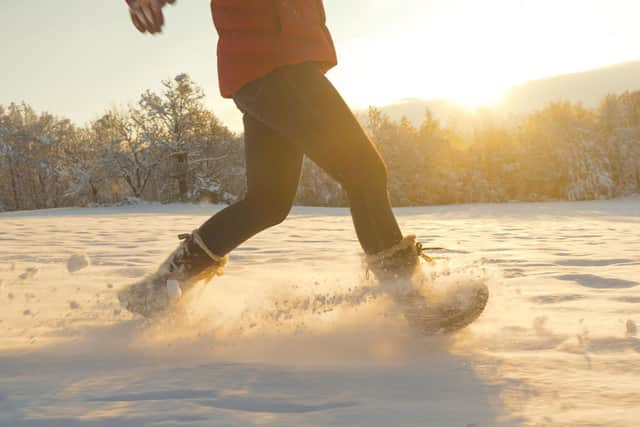

The cold snap caused widespread disruption across the country including flooding, rail and road closures, and grounded flights at airports in Manchester and Bristol due to heavy snow and ice in recent weeks. Last Friday, the UK experienced its coldest January night in 15 years with temperatures dropping to -18 degrees in Altnaharra, located in the Scottish Highlands.
As colder winters become more common, Pete Bryden, a shoe expert from AussieBoots shares his tips on how to save money on winter footwear and how to care for them during the remainder of the winter period.
1. Consider Multipurpose Shoes
“If you want shoes that work in both winter and transitional seasons, opt for footwear made with leather or synthetic materials, as these are more adaptable across different conditions. Water-resistant or waterproof materials are ideal for both dry and wet weather.
“Rubber or lug soles provide strong grip for winter, which is especially useful during icy conditions. These shoes can also remain functional in other seasons.”
2. Prioritise Quality over Quantity
“Investing in more expensive, high-quality shoes can save you money in the long run. Think quality over quantity. A well-made pair of durable shoes will last longer than a budget pair.
“This means that instead of replacing your shoes every few months or every year, a pair of high-quality shoes can last 5 years, or longer, if they are well looked after.”
3. Take Advantage of Clearance/New Year Sales
“If you need winter boots to brave this weather and for the rest of the season, it’s vital to take advantage of current new year sales. Many of these offers run until the end of January, with some places offering discounts of up to 50% off.
“I’d certainly recommend doing your research and shopping around. You can not only save money, but also get your hands on more durable, high-quality winter boots at a much cheaper price during this time of year.”
4. Avoid Placing Wet Shoes on or Near Radiators
“Many people think the best thing to do after getting home from torrential weather is to dry their shoes on radiators. However, placing shoes near direct heat sources can damage the fabric, particularly in the case of leather, significantly affecting their lifespan.
“Instead, let shoes air dry at room temperature and stuff them with newspaper or use shoe inserts to absorb excess moisture and maintain their shape.”
5. Handle Snow and Ice Carefully
“To stay safe in the current conditions across the UK, consider adding removable ice grips or traction pads to your shoes to prevent slipping and reduce wear and tear caused by icy surfaces.
“Additionally, avoid stepping in deep puddles or slushy areas to minimise water damage.”
6. DIY Customise New and Older Shoes
“Finally, you can customise new and older shoes to breathe new life into them, making them more durable and suitable for winter. Weatherproofing shoes with a waterproofing spray, cream, or wax can protect them from snow, slush and rain by preventing stains, cracking, and water seepage, especially in the case of leather.
“If replaceable, replacing the soles of old shoes with new ones can be cost-effective compared to buying replacements and can make a much older shoe feel brand new. High-quality rubber soles can enhance the shoe’s longevity as well as its durability. All the more reason for looking after those uppers.
“If you own leather shoes, the regular application of renovation creams and leather conditioners are essential to keep the leather nourished and supple. This process will cover up minor scuffs and scratches as well as helping to prevent the leather from drying out and cracking.”