
The DVLA’s billion-pound business: How private number plates drive revenue in the UK
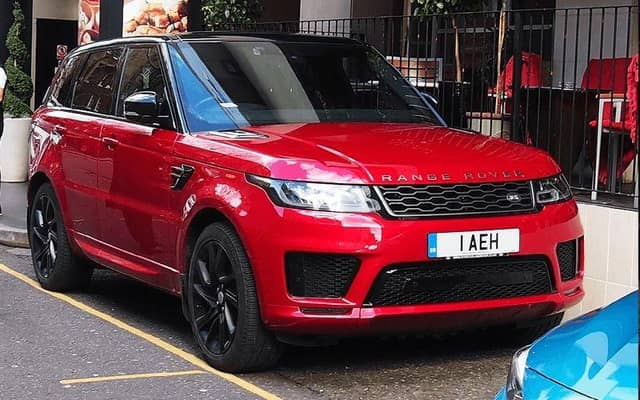

This article contains affiliate links. We may earn a small commission on items purchased through this article, but that does not affect our editorial judgement.
Personalised number plates have long been a symbol of status, individuality, and, for some, a savvy investment. What many people don’t realise is just how much money the Driver and Vehicle Licensing Agency (DVLA) makes from this uniquely British phenomenon. Over the past three decades, the DVLA has turned number plates into a billion-pound business—literally.
A Lucrative Enterprise
According to recent reports, the DVLA has generated more than £2.9 billion from the sale of private number plates since it began offering them in 1989. These earnings come not only from direct sales but also from transfer and assignment fees, and they continue to grow year after year.
In the 2022–23 financial year, the DVLA made £260.1 million from personalised registrations. The year before that, 2021–22, was even more profitable, bringing in a record-breaking £302.9 million, of which £181 million came from plate sales alone. In 2024, the agency raised £276 million, confirming that interest in personalised plates remains strong.
Surging Demand
The demand for personalised number plates has seen remarkable growth in recent years. Between 2020 and early 2025, the DVLA sold more than 2.6 million private plates, generating close to £1.2 billion in revenue during that time. That’s a sharp increase from the £347 million collected between 2015 and 2019.
To meet this growing appetite, the DVLA currently lists over 60 million registrations for sale through its dedicated website. Prices start at just £250, making them accessible to a broad range of buyers—from everyday motorists to collectors and celebrities.
What’s Driving the Popularity?
There are several reasons why personalised number plates continue to sell in such large numbers:
- Personal Identity: Many buyers choose plates that include their initials, names, birth years, or hobbies. It’s a simple way to express individuality on the road.
- Investment Value: Unique or highly desirable plates can increase in value over time. For example, plates with short combinations, initials, or popular names often appreciate and are considered a niche investment.
- Retention and Flexibility: Buyers don’t need to assign the plate to a vehicle immediately. A retention certificate allows owners to hold onto the registration until they’re ready to use it, further increasing flexibility and appeal.
- Gift Giving: Personalised plates have also become a popular gift item for birthdays, anniversaries, and special occasions.
Record-Breaking Sales
Some private number plates have reached astonishing prices at auction, reflecting their desirability and rarity. Notable examples include:
- "25 O" – Sold for £400,000 in 2014, reportedly for a Ferrari 250.
- "1 D" – Sold for £285,000 in 2009, once owned by a Lebanese businessman.
- "DEV 1L" – Sold for £240,000 in 2021, presumably appealing to someone in the tech or automotive sector.
Such figures may seem extreme, but they highlight the strong market demand and the DVLA’s ability to monetise the value of exclusivity.
Where the Money Goes
The revenue from these sales doesn’t just disappear into administrative budgets. The funds raised by the DVLA from personalised plates contribute to the Treasury, supporting public services across the UK. This makes the scheme a rare example of a government-run operation that is both commercially successful and beneficial to the wider economy.
A Growing Trend
With sales hitting new heights and demand still rising, private number plates are likely to remain a strong source of revenue for the DVLA. Whether bought for fun, status, or profit, these personalised plates continue to capture the public’s imagination—and open their wallets.
Selling your car? Here’s the fastest way to get cash – and how it compares to rivals
Thinking of selling your car this summer? It all starts with a valuation – and you can get one in under a minute with WeBuyAnyCar. With over 500 branches across the UK and same-day payment available, it’s one of the quickest ways to find out what your vehicle is worth and get the cash if you’re ready to sell.
Used car prices have stayed surprisingly strong, especially for economical hatchbacks and SUVs. Whether you’re upgrading for road trips or switching to a hybrid, a fast online quote can give you a solid starting point – even if you’re still weighing up your options.
To see how WeBuyAnyCar stacks up against other top car-selling platforms like Motorway, Carwow and Auto Trader, read our full article comparing the UK’s most popular car sales sites here.