
15,000-year-old clay figurines reveal children helped create prehistoric art, scientists discover
Tiny fingerprints left behind thousands of years ago have helped scientists uncover an extraordinary secret about prehistoric life – children were getting creative alongside adults as they helped make some of humanity's earliest known clay artworks.
Children were creating works of art THOUSANDS of years before the invention of farming, scientists have discovered – and tiny fingerprints have helped crack the prehistoric mystery.
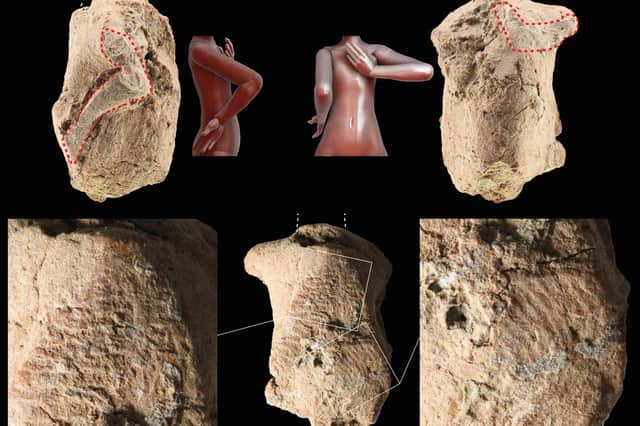

Researchers have uncovered 154 ancient clay artefacts dating back between 15,000 and 11,500 years, revealing how adults and youngsters worked together to create miniature figures of animals and humans. The astonishing discoveries, made at three archaeological sites in modern-day Israel, push back the known history of clay figurine-making by up to 3,000 years. And experts say they offer rare evidence of children learning artistic skills directly from older generations.
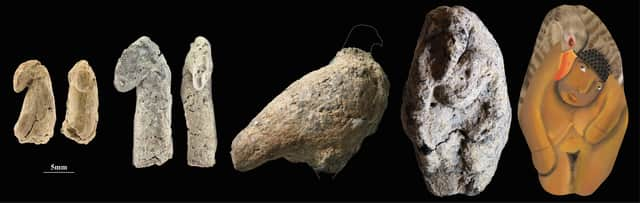
The objects were made by Natufian communities, hunter-gatherers who lived in the region before the agricultural revolution. Study leader Dr Laurent Davin, from The Hebrew University of Jerusalem, said: "These discoveries change how we understand the beginnings of artistic expression in this region."
Using microscopic analysis, scientists identified fingerprints belonging to children who were likely younger than 10, alongside those of adults. One particularly fascinating human-shaped figurine carried two overlapping fingerprints – one from an adult or young woman and another from a child who had not yet reached puberty.
Researchers believe the discovery could show the figure was passed between them as it was being made. And the youngsters were not simply getting their hands dirty by accident. Their fingerprints suggest they actively helped shape and decorate the creations.
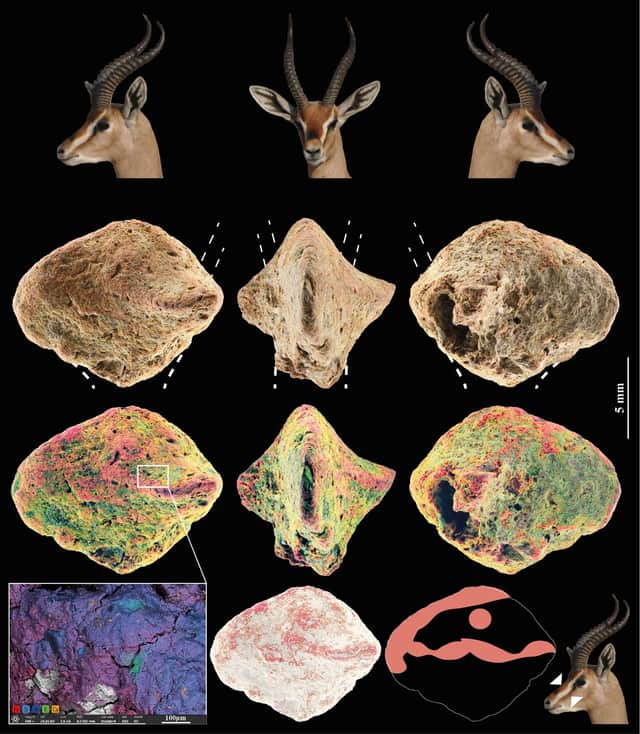
Among the 15 identifiable figures, birds were by far the most popular, with 11 examples discovered. Others appeared to depict mammals, a gazelle and humans. Some birds even featured carefully detailed wings, tails and feathers, while others may show ducks and geese displaying courtship behaviour.
Scientists believe the creations could have been used to share stories and knowledge about wildlife, seasonal changes and the natural world. Several also contained traces of red colouring, including evidence of a technique called engobe, which involves coating an object with a thin layer of coloured clay. One example provides the earliest known evidence of the technique, dating back around 15,000 years.
The findings, published in PLOS One, challenge the belief that sophisticated clay art only emerged alongside farming around 11,500 years ago. Dr Davin said the discoveries show that creativity and cultural knowledge were being shared between generations long before agriculture and pottery transformed human life.