
Energy Price Cap Rises in October: Six Ways to Cut Your Bills Before They Jump

With the energy price cap set to rise in October, households are being urged to act now. Here are six simple ways to stop heat – and cash – escaping.
Britain's households are facing another squeeze on their finances, with the energy price cap set to rise by 4% from October 1.

The increase means a typical household will face annual energy bills of around £1,723, up from £1,663 during the July-to-September period.
But before the higher bills land, there are plenty of ways to make your home work harder – and stop your hard-earned cash disappearing through gaps, draughts and poorly insulated walls.
Energy efficiency expert Dave Raval, CEO of LoftZone, says millions of homes are still falling behind modern insulation standards.
More than 13 million UK homes reportedly only meet insulation rules dating back to 1976 or earlier, meaning huge amounts of heat could be escaping.

Here are six checks worth making before the autumn chill sets in.
1. Mind those draughty gaps
Cold air sneaking through windows and doors can make your heating work overtime.
On a chilly evening, hold a candle near window and door frames. If the flame flickers, you may have found a draught.
Self-adhesive foam strips and draught excluders are cheap fixes, while heavy curtains can provide another barrier against the cold.
2. Give your loft insulation a boost
Heat rises, so a poorly insulated loft can be a major culprit.
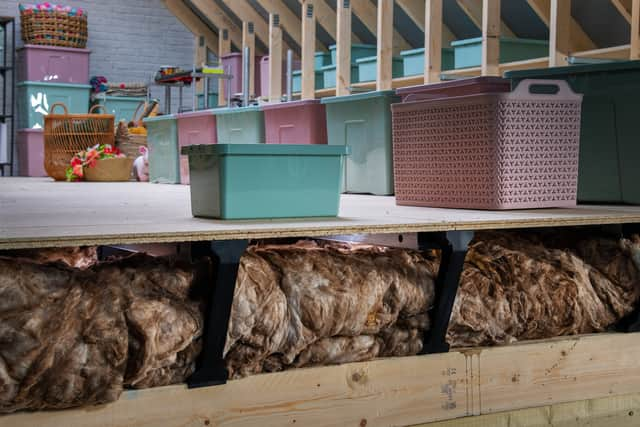
Government guidance recommends around 270mm of loft insulation, but don't squash it down by piling storage boxes on top. Doing so can seriously reduce its effectiveness.
A raised boarding system can provide storage space while allowing insulation to retain its depth.
3. Don't forget your walls
Walls can account for a sizeable chunk of household heat loss. Older properties, particularly those built before the 1990s, may have inadequate insulation.
Cavity wall insulation can help suitable properties, while older homes with solid walls may require a different approach.
If insulation upgrades aren't immediately practical, thick curtains can at least help reduce heat loss around windows.
4. Look down as well as up
Cold floors can make a room feel chilly even when the heating is on.
Depending on the construction of your home, floor insulation can help reduce heat loss, while rugs and carpets provide an extra layer of protection.
Don't overlook gaps around skirting boards and floor edges either – sealing them can help keep draughts at bay.
5. Check your pipes
Pipes running through cold areas such as lofts, garages and underfloor voids can lose heat quickly.
Insulating exposed pipework and sealing gaps where pipes enter walls or floors can help keep warmth where it belongs.
However, ventilation remains important to prevent condensation and damp.
6. Turn down unused radiators
Not every room needs to be heated to the same temperature.
Thermostatic radiator valves (TRVs) allow individual radiators to be adjusted, so you can avoid overheating rooms that aren't being used.
Your bedroom doesn't necessarily need to be as warm as your lounge, and there's little point blasting the heating in an empty hallway.
With energy bills heading upwards again, small changes around the home could help households stay warmer without turning the thermostat into the enemy.
3. Don't forget your walls4. Look down as well as up5. Check your pipes6. Turn down unused radiators